

What is a Limestone Powder Pneumatic Conveying System? And What Are Its Design Principles?
When it comes to handling and transporting limestone powder, the choice of equipment plays a crucial role in ensuring efficiency, safety, and cost-effectiveness. One of the most advanced and widely adopted solutions in this field is the limestone powder pneumatic conveying system. This technology has revolutionized the way industries manage fine powder materials, offering a reliable and flexible method for material transport. In this article, we will explore what a limestone powder pneumatic conveying system is and delve into the core design principles that make it an effective solution for various industrial applications.
Understanding Limestone Powder Pneumatic Conveying Systems
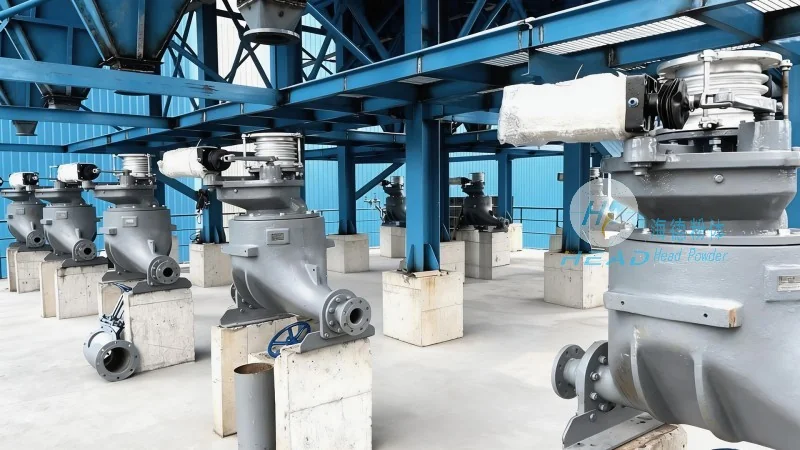
A limestone powder pneumatic conveying system is a specialized piece of equipment designed to transport limestone powder from one location to another using air or gas as the conveying medium. Unlike traditional methods such as belt conveyors or bucket elevators, pneumatic conveying systems utilize the force of air to move the powder through a pipeline network. This approach is particularly advantageous for handling fine, dusty, or abrasive materials like limestone powder, which can be challenging to transport using conventional equipment.
The system typically consists of several key components, including a material feed hopper, a conveyor line, a dust collector, and a control system. The feed hopper is responsible for storing and feeding the limestone powder into the system. The conveyor line, often made of stainless steel or other corrosion-resistant materials, transports the powder through the pipeline. The dust collector is essential for capturing any airborne particles and ensuring a clean working environment. The control system manages the operation of the entire system, regulating the air flow and material feed to maintain optimal performance.
Key Design Principles of Limestone Powder Pneumatic Conveying Systems
The effectiveness of a limestone powder pneumatic conveying system largely depends on its design principles. These principles are tailored to address the unique characteristics of limestone powder, such as its fineness, density, and flowability. The primary design considerations include:
1. **Air Flow Management**: The system must maintain a consistent and sufficient air flow to ensure the powder is adequately suspended and transported. The air velocity within the pipeline is critical; it needs to be high enough to keep the powder particles airborne but not so high as to cause excessive wear on the equipment or energy consumption.
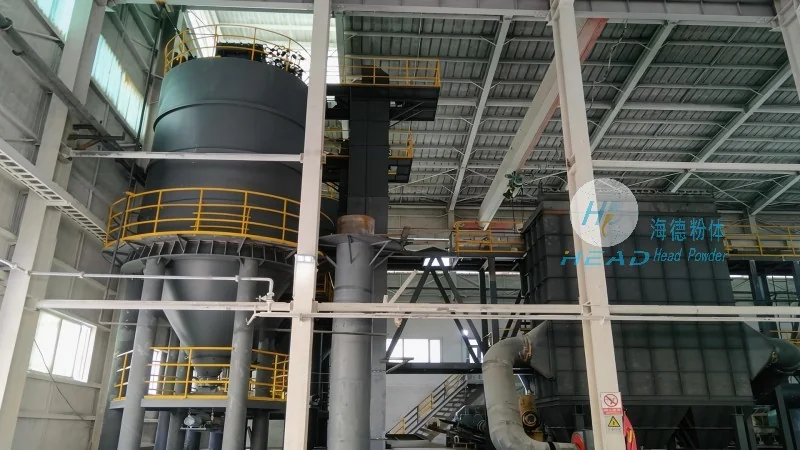
2. **Pipeline Sizing and Layout**: The diameter and length of the pipeline are carefully calculated to match the material's flow characteristics and the required conveying distance. Proper pipeline layout, including the use of bends, elbows, and vertical sections, is essential to minimize pressure drops and prevent material buildup or blockages.
3. **Material Feed and Conditioning**: The feed hopper and associated equipment must be designed to handle the limestone powder's properties. Conditioning the material, such as pre-drying or adding a small amount of moisture, can improve its flowability and reduce the risk of clogging. The feed mechanism, often a rotary valve or a star feeder, ensures a controlled and continuous material flow into the system.
4. **Dust Control and Environmental Compliance**: Given that limestone powder is a fine particulate, effective dust control is a key design principle. The system incorporates dust collectors and filtration systems to capture and remove airborne particles, ensuring compliance with environmental regulations and maintaining a safe working environment.
Applications and Benefits of Limestone Powder Pneumatic Conveying Systems
Limestone powder pneumatic conveying systems are widely used in various industries, including cement production, chemical manufacturing, and food processing. The primary benefits of this technology include:
1. **Efficiency and Flexibility**: The system allows for the transport of limestone powder over long distances with minimal maintenance and downtime. It can be easily reconfigured to accommodate changes in production requirements or to connect to different processing units.
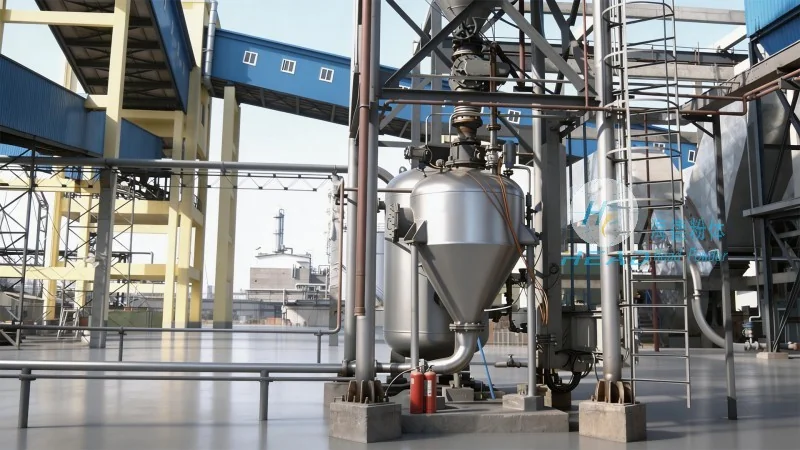
2. **Reduced Downtime and Maintenance**: Unlike mechanical conveyors, pneumatic systems have fewer moving parts, leading to lower maintenance costs and reduced risk of breakdowns. This results in higher operational efficiency and increased productivity.
3. **Improved Safety and Environmental Protection**: By containing the powder within a closed system, the risk of dust explosions and inhalation hazards is significantly reduced. The dust collection systems also help in maintaining clean air quality, which is crucial for both worker safety and environmental compliance.
4. **Cost-Effectiveness**: Over time, the lower maintenance costs and higher efficiency of pneumatic conveying systems can lead to significant cost savings compared to traditional methods. The initial investment may be higher, but the long-term benefits often outweigh the upfront costs.
Conclusion
In conclusion, a limestone powder pneumatic conveying system is a sophisticated and efficient solution for transporting limestone powder in industrial settings. The design principles, which focus on air flow management, pipeline layout, material handling, and dust control, ensure that the system operates reliably and safely. As industries continue to seek more efficient and sustainable material handling solutions, pneumatic conveying systems remain a top choice for handling fine powders like limestone. The expertise and experience of companies like Shandong HeadPowder Engineering Co., Ltd., based in China, play a vital role in designing and implementing these systems to meet the specific needs of various industrial applications.