

What is a Sorghum Residue Pneumatic Conveying Line? What Are Its Design Principles?
Sorghum residue, also known as sorghum dregs, is a byproduct of the distillation process in the production of sorghum liquor. Efficient handling and transportation of this residue are crucial for the smooth operation of the distillery. A pneumatic conveying line specifically designed for sorghum residue offers a solution that combines efficiency, hygiene, and reliability. This article explores what such a system entails and the underlying design principles that make it effective.
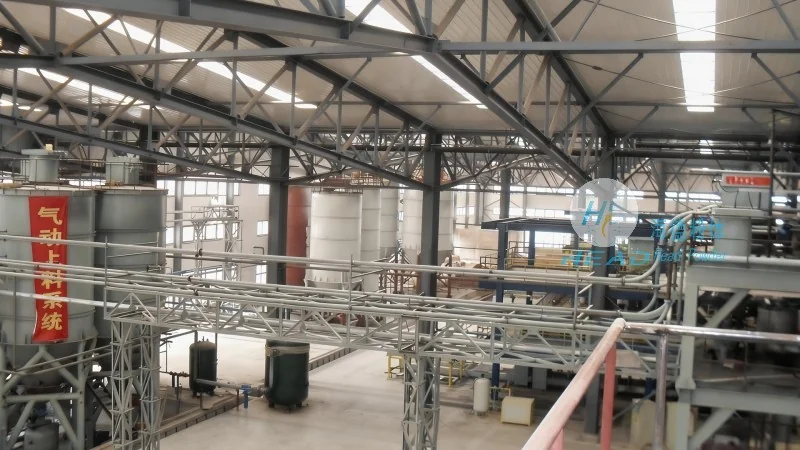
About Shandong HeadPowder Engineering Co., Ltd.
Shandong HeadPowder Engineering Co., Ltd., commonly known as HeadPowder, is a professional manufacturer and supplier of industrial conveying equipment. With a focus on innovation and customer-centric solutions, HeadPowder has established itself as a trusted partner in the food and beverage processing industry. The company is headquartered in Shandong, China, where it leverages advanced technology and extensive industry experience to develop high-quality equipment tailored to the needs of its clients.
Design Principles of a Sorghum Residue Pneumatic Conveying Line
The design of a sorghum residue pneumatic conveying line is based on the fundamental principles of pneumatic transport, which involves the movement of solid particles through a pipeline using a gas stream. The key components and design considerations for this system include:
1. **Air Supply System**: This is the heart of the conveying line, responsible for generating the necessary air pressure and flow rate. The system typically consists of a blower or compressor, air filters, and pressure regulators. The choice of equipment depends on the specific characteristics of the sorghum residue, such as particle size, moisture content, and bulk density.
2. **Conveying Pipeline**: The pipeline is designed to handle the abrasive nature of sorghum residue. Materials like stainless steel or high-grade plastic are commonly used to ensure durability and prevent clogging. The pipeline layout is optimized to minimize pressure losses and ensure smooth material flow, often incorporating bends, elbows, and straight sections that are carefully sized to maintain consistent air velocity.
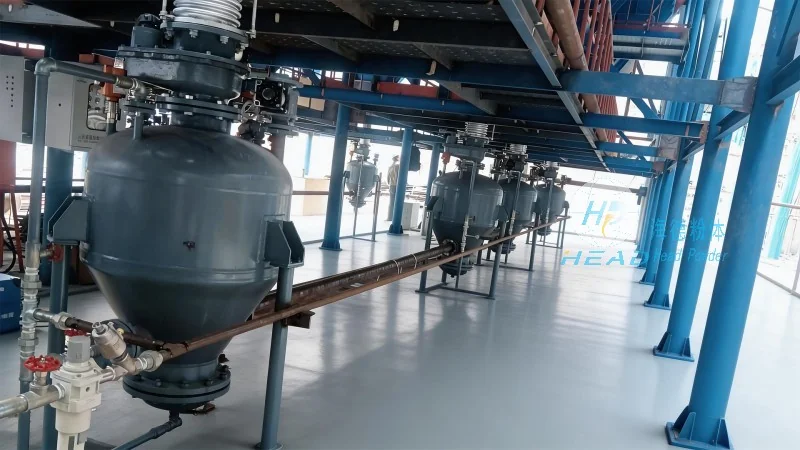
3. **Inlet and Outlet Systems**: The inlet system is designed to feed the sorghum residue into the pipeline without causing blockages or excessive pressure drops. This may involve hoppers, feeders, or rotary valves that control the flow rate. The outlet system, on the other hand, is designed to discharge the residue at the desired location, such as a storage silo or processing unit. Proper sealing and material handling at both ends are critical to prevent dust emissions and maintain hygiene.
4. **Control and Monitoring Systems**: Modern pneumatic conveying lines are equipped with advanced control systems that monitor parameters like air pressure, flow rate, and material level. These systems allow for real-time adjustments to optimize performance and prevent issues such as overloading or under-pressurization. Sensors and alarms are integrated to ensure safe and efficient operation.
Advantages of Using a Sorghum Residue Pneumatic Conveying Line
Implementing a pneumatic conveying line for sorghum residue offers several advantages over traditional methods like belt conveyors or manual handling. These include:
1. **Hygienic and Clean Operation**: Pneumatic systems are enclosed, which prevents dust and contamination, making them suitable for food processing environments. This is particularly important for sorghum residue, which can be a source of microbial growth if not handled properly.
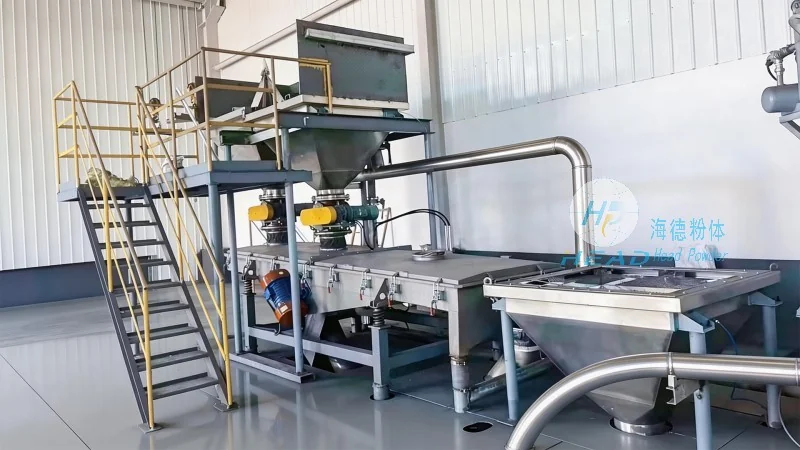
2. **Energy Efficiency**: Compared to other conveying methods, pneumatic systems can be more energy-efficient, especially when operating at low to moderate pressures. The use of appropriate blower technology and pipeline design helps minimize energy consumption while maintaining effective material transport.
3. **Space Efficiency**: Pneumatic conveying lines can be installed in a compact manner, making them ideal for facilities with limited space. The flexible nature of the pipeline allows for easy integration into existing layouts without the need for extensive structural modifications.
4. **Reduced Maintenance**: With fewer moving parts compared to mechanical conveyors, pneumatic systems generally require less maintenance. However, regular cleaning and inspection of the pipeline and air supply components are essential to ensure long-term reliability.
Conclusion
A sorghum residue pneumatic conveying line is a sophisticated system that combines advanced engineering with practical application to address the unique challenges of handling this byproduct in the liquor production process. The design principles, as outlined above, focus on efficiency, hygiene, and durability, ensuring that the system meets the operational needs of distilleries while adhering to industry standards. Shandong HeadPowder Engineering Co., Ltd. specializes in the design and manufacturing of such systems, providing customized solutions that enhance the productivity and sustainability of food and beverage processing operations.