

What is a Dense Phase Pneumatic Conveying System? And What Are Its Design Principles?
For industries dealing with bulk material handling, the choice of conveying technology can significantly impact operational efficiency and product integrity. Among the various options available, dense phase pneumatic conveying systems stand out as a reliable solution for transporting powders and granules with precision and control. This article explores the fundamental aspects of dense phase pneumatic conveying, focusing on its design principles and practical applications.
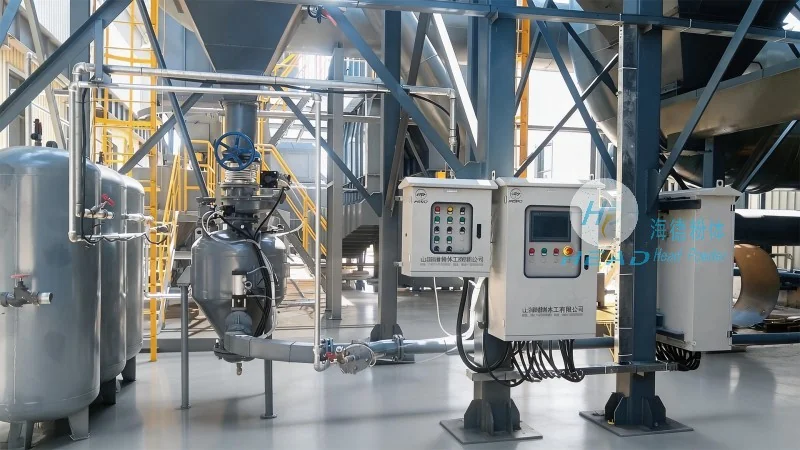
Understanding the Core Concept of Dense Phase Pneumatic Conveying
A dense phase pneumatic conveying system operates by transporting material in a dense, slurry-like state rather than as a dilute cloud of particles suspended in air. This approach is particularly advantageous for materials that are sensitive to air exposure, prone to caking, or require gentle handling to maintain their physical properties. The system uses a combination of pressure and airflow to move material through a pipeline, ensuring a stable and consistent flow that minimizes product degradation.
Key Design Principles of Dense Phase Pneumatic Conveying Systems
The design of a dense phase pneumatic conveying system is built on several critical principles that ensure optimal performance. First, the system maintains a high solids concentration, typically ranging from 10 to 30% by volume, which reduces the risk of material degradation and clogging. Second, the use of positive pressure or vacuum ensures that the material is continuously pushed or pulled through the pipeline, preventing the formation of air pockets that could lead to uneven flow. Third, the system incorporates specialized components such as rotary valves, airlocks, and pulse jet filters to control the flow rate and maintain consistent pressure. These components work in tandem to create a stable conveying environment that is tailored to the specific characteristics of the material being transported.
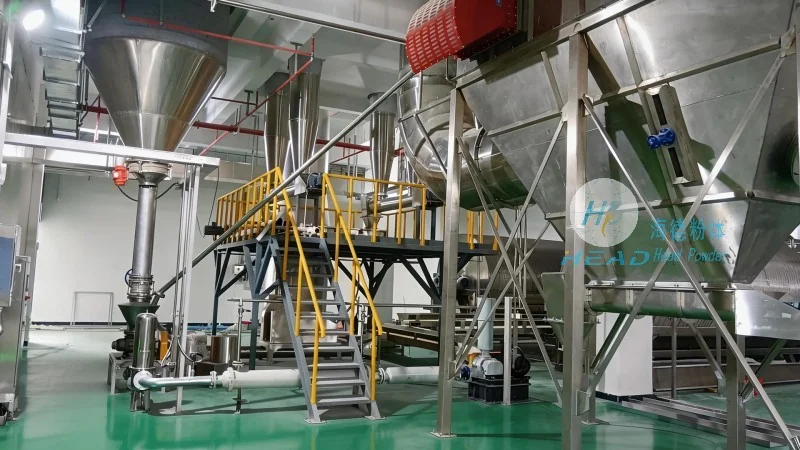
Technical Aspects and Operational Efficiency
From a technical perspective, dense phase pneumatic conveying systems are engineered to deliver high efficiency and reliability. The use of positive pressure, for instance, allows for longer conveying distances and higher material throughput compared to negative pressure systems. Additionally, the system's ability to handle a wide range of materials—from fine powders to bulk granules—makes it a versatile solution for diverse industrial applications. The design also prioritizes energy efficiency, with optimized airflow and pressure control reducing operational costs over time.
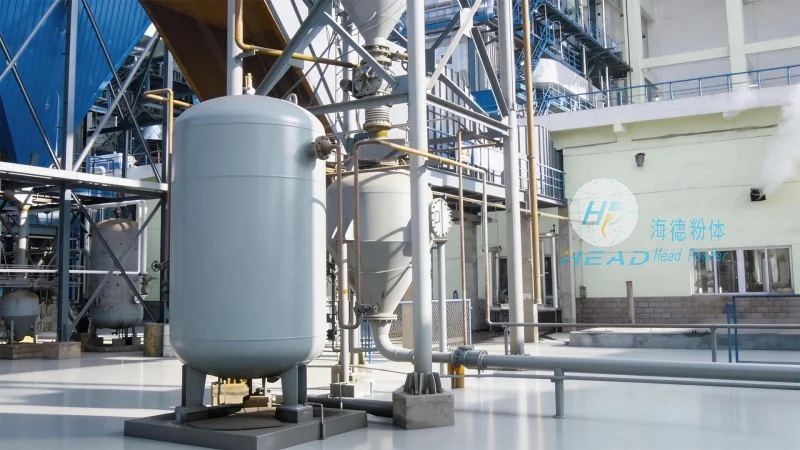
Application Scenarios and Practical Implementation
Practical implementation of dense phase pneumatic conveying systems varies across different industries. In the pharmaceutical sector, for example, these systems are used to transport sensitive powders while maintaining strict contamination control. In the food industry, they are employed to handle ingredients like flour and sugar, ensuring that the product remains free from moisture and air exposure. Similarly, in the chemical and mining industries, dense phase systems are utilized to transport abrasive or corrosive materials, protecting both the equipment and the product from damage. The adaptability of these systems makes them suitable for both new installations and retrofits in existing facilities.
About Shandong HeadPowder Engineering Co., Ltd.
Shandong HeadPowder Engineering Co., Ltd., a leading provider of bulk material handling solutions, specializes in designing and manufacturing dense phase pneumatic conveying systems tailored to the unique needs of various industries. With a focus on innovation and quality, the company has established itself as a trusted partner for businesses seeking reliable and efficient material transport solutions. HeadPowder's expertise in system design, component selection, and installation ensures that clients receive customized solutions that meet their specific operational requirements. The company's headquarters is located in Shandong, China, where it continues to advance its technology and expand its service offerings to meet the evolving demands of the market.