

What is a Weighing Feeder Pneumatic Conveying Machine? What is its Design Principle?
HeadPowder, a leading manufacturer based in Shandong, China, specializes in advanced material handling solutions. Among their product portfolio is the weighing feeder pneumatic conveying machine, a critical equipment for efficient bulk material transport in various industrial applications. This article explores the fundamental aspects of this machine, including its design principles and operational capabilities.
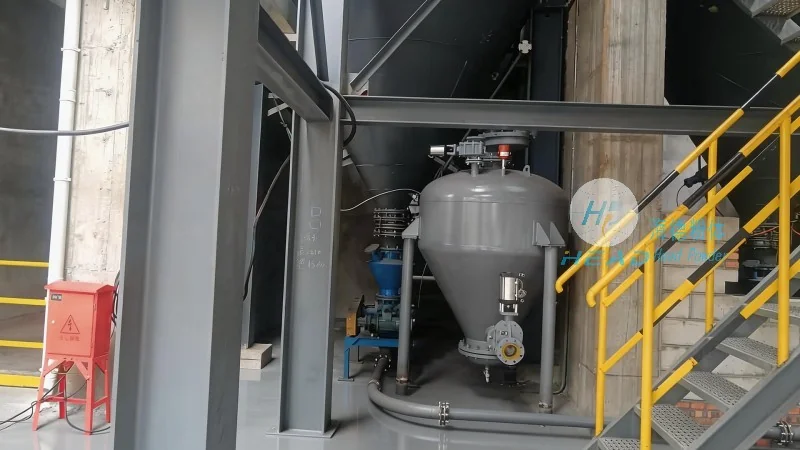
Understanding the Weighing Feeder Pneumatic Conveying Machine
The weighing feeder pneumatic conveying machine is a sophisticated system designed to handle bulk materials with precision and efficiency. It combines the functions of a feeder, a weighing system, and a pneumatic conveyor, making it an essential component in processes that require accurate material flow control. The machine operates by feeding material from a hopper into a conveyor system, where it is transported through a pipeline using air pressure. The integrated weighing mechanism ensures that the material flow rate is precisely controlled, preventing overloading or underloading of downstream equipment.
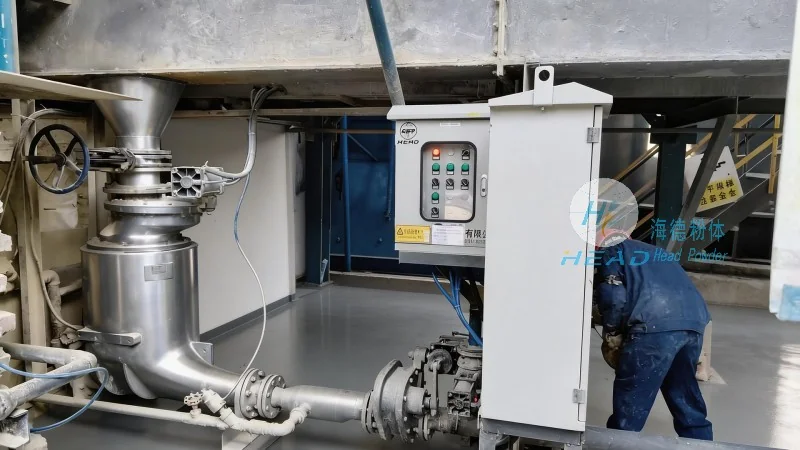
Design Principles of the Weighing Feeder Pneumatic Conveying Machine
The design of the weighing feeder pneumatic conveying machine is based on several key principles to ensure optimal performance and reliability. Firstly, the machine incorporates a high-precision load cell or scale system that measures the weight of the material being conveyed in real-time. This data is used to adjust the feeder speed or air pressure, maintaining a consistent material flow rate. Secondly, the pneumatic conveying section utilizes a combination of positive and negative pressure to move the material through the pipeline. Positive pressure systems push the material forward, while negative pressure systems draw it through the line, offering flexibility in system configuration. The machine's design also emphasizes durability and ease of maintenance, with components constructed from corrosion-resistant materials to withstand harsh industrial environments.
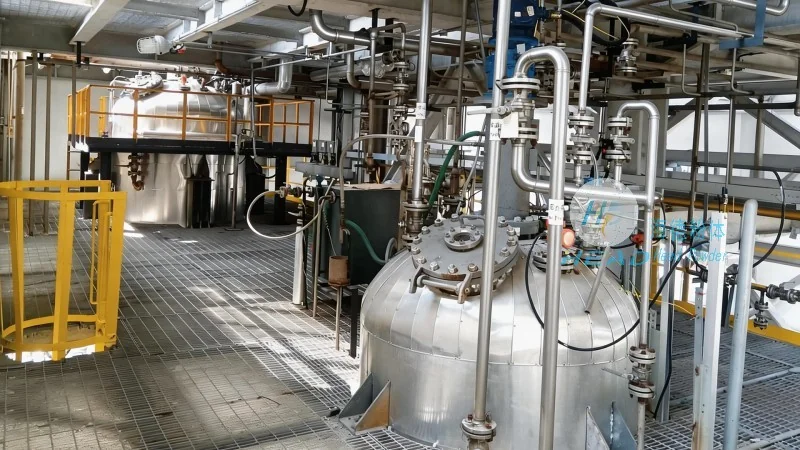
Key Components and Their Functions
Several critical components work together to ensure the smooth operation of the weighing feeder pneumatic conveying machine. The hopper serves as the material storage and feeding source, with a discharge valve that controls the material flow into the feeder. The feeder itself is typically a screw or rotary valve that regulates the material feed rate based on the weighing system's feedback. The weighing system, often integrated with a load cell, provides real-time weight data to the control system. The pneumatic conveying section includes a blower or compressor that generates the necessary air pressure, along with a pipeline network that transports the material from the feeder to the discharge point. The control panel, equipped with digital displays and adjustable settings, allows operators to monitor and adjust the machine's parameters for optimal performance.
Applications and Benefits in Industrial Settings
The weighing feeder pneumatic conveying machine is widely used in various industries, including chemical, food processing, pharmaceuticals, and mining. Its ability to handle a wide range of materials, from powders to granules, makes it versatile for different applications. The primary benefits of this machine include improved material flow control, reduced product loss, and enhanced process efficiency. By maintaining a consistent flow rate, it prevents overloading of downstream equipment, which can lead to production bottlenecks or equipment damage. Additionally, the machine's compact design and integration of multiple functions reduce the overall footprint and operational costs compared to traditional systems that require separate feeder, conveyor, and weighing equipment.
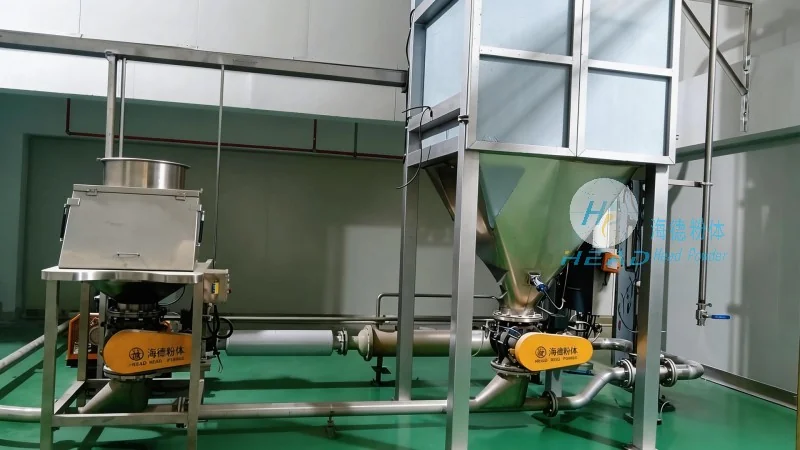
Maintenance and Operational Considerations
Proper maintenance is crucial to ensure the longevity and performance of the weighing feeder pneumatic conveying machine. Regular checks of the load cell and weighing system are necessary to maintain accuracy. The pneumatic components, such as the blower and pipeline, should be inspected for leaks and cleaned regularly to prevent material buildup. The hopper and feeder should be cleared of accumulated material to avoid blockages. Operational considerations include monitoring air pressure and flow rates, as well as adjusting the feeder speed based on the material's characteristics and process requirements. Proper training of operators on the machine's controls and safety procedures is also essential to prevent accidents and ensure safe operation.