

What is a rubber powder pneumatic conveyor? What are its design principles?
Understanding the rubber powder pneumatic conveyor and its design principles is crucial for industries dealing with bulk material handling, particularly in the processing of rubber powders. This equipment is engineered to efficiently transport rubber powder through an air-driven system, offering a solution that minimizes material degradation and ensures consistent flow. As a leading manufacturer in the field, Shandong HeadPowder Engineering Co., Ltd. specializes in designing and manufacturing rubber powder pneumatic conveyors that meet the specific needs of industrial applications. The company, based in Shandong, China, leverages advanced engineering and practical experience to develop systems that enhance material handling efficiency and product quality.
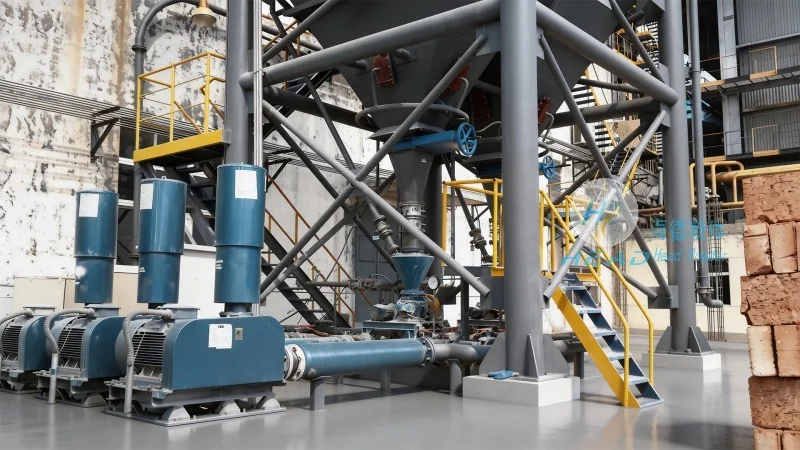
Introduction to Rubber Powder Pneumatic Conveyors
A rubber powder pneumatic conveyor is a specialized device designed to transport rubber powder using air as the conveying medium. Unlike traditional mechanical conveyors, this system utilizes a pressure or vacuum differential to move the material through a pipeline. The process involves feeding the rubber powder into a hopper, where it is then drawn or pushed through the pipeline by the air flow. This method is particularly advantageous for handling fine, abrasive, or heat-sensitive materials like rubber powder, as it reduces the risk of material degradation and contamination.
Design Principles of Rubber Powder Pneumatic Conveyors
The design of a rubber powder pneumatic conveyor is based on several fundamental principles that ensure efficient and reliable operation. These principles include the selection of appropriate air flow rates, the configuration of the pipeline system, and the use of specialized components such as rotary valves, filters, and cyclones. The air flow rate is critical as it determines the velocity at which the rubber powder is conveyed, affecting the system's capacity and the risk of material deposition or blockage. The pipeline design, including the diameter and length of the pipeline, also plays a significant role in maintaining consistent flow and preventing pressure losses.
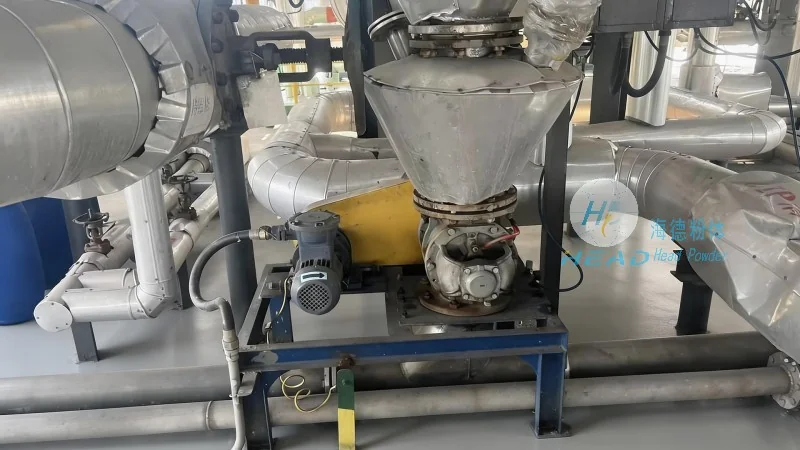
Another key design principle is the incorporation of components that handle the material's characteristics. For rubber powder, which can be fine and prone to caking, the system may include a pre-drying or conditioning step to improve flowability. Additionally, the use of wear-resistant materials for the pipeline and components is essential to withstand the abrasive nature of the rubber powder and extend the equipment's lifespan. The control system, which regulates the air pressure and flow, is also a critical design element, ensuring that the conveyor operates within optimal parameters to maintain efficiency and prevent damage.
Components and Functionality
The rubber powder pneumatic conveyor consists of several key components that work together to achieve efficient material transport. The hopper serves as the storage and feeding unit, where the rubber powder is loaded and prepared for transport. The rotary valve, often referred to as a feeder, controls the flow of material into the pipeline, ensuring a consistent and controlled discharge. The pipeline itself is typically made of stainless steel or other corrosion-resistant materials to handle the abrasive nature of the rubber powder and maintain hygiene standards. The air supply system, which may include a blower or compressor, generates the necessary air pressure to move the material through the pipeline. The system may also include a filter to remove any debris or dust from the air, ensuring that the conveyed material remains clean and free from contaminants.
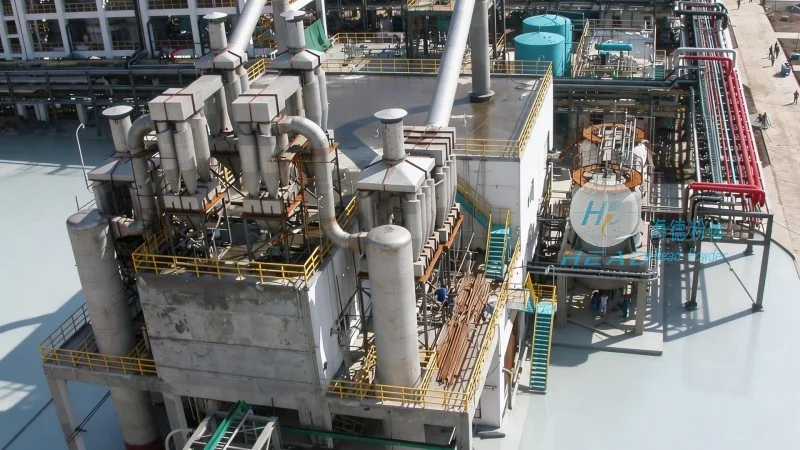
Advantages of Rubber Powder Pneumatic Conveyors
There are several advantages to using a rubber powder pneumatic conveyor in industrial applications. One of the primary benefits is the ability to transport rubber powder over long distances without the need for multiple transfer points, which reduces the risk of material loss and contamination. The system also offers flexibility in terms of layout, as the pipeline can be configured to follow the existing plant layout, minimizing the need for additional space or structural modifications. Additionally, the pneumatic conveyor is less prone to material degradation compared to mechanical conveyors, as it avoids direct contact with moving parts and reduces the risk of friction and heat generation. This is particularly important for rubber powder, which can be sensitive to temperature and pressure changes.
Another advantage is the ease of integration with other processing equipment. The rubber powder pneumatic conveyor can be easily connected to downstream processes such as mixing, compounding, or packaging, allowing for a seamless flow of material from one stage to the next. The system also provides better control over the material's flow rate and pressure, which is essential for maintaining consistent product quality. Furthermore, the pneumatic conveyor is more hygienic and easier to clean compared to traditional mechanical systems, making it suitable for applications where material purity is critical, such as in food or pharmaceutical industries.
Applications and Industries
Rubber powder pneumatic conveyors are widely used in various industries that handle rubber powder, including the rubber manufacturing industry, tire production, and recycling facilities. In the rubber manufacturing industry, these conveyors are used to transport rubber powder from storage to processing equipment, such as mixers or extruders. In tire production, the system is used to convey rubber powder to the tire manufacturing lines, ensuring a consistent supply of material for the production process. Recycling facilities also utilize rubber powder pneumatic conveyors to transport recycled rubber powder from sorting and processing stages to storage or further processing units.
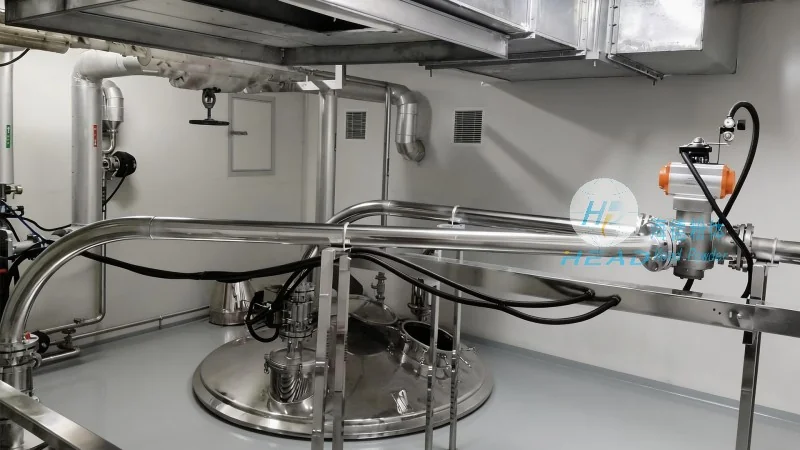
The versatility of the rubber powder pneumatic conveyor makes it suitable for a wide range of applications, from small-scale operations to large industrial plants. Its ability to handle fine, abrasive materials and transport them over long distances makes it an ideal choice for industries that require efficient and reliable material handling solutions. As the demand for rubber powder increases in various industries, the importance of efficient and effective material handling systems like the rubber powder pneumatic conveyor becomes more critical.
Conclusion
In conclusion, the rubber powder pneumatic conveyor is a sophisticated piece of equipment designed to efficiently transport rubber powder using air as the conveying medium. Its design principles, which include the selection of appropriate air flow rates, pipeline configuration, and specialized components, ensure that the system operates reliably and efficiently. The advantages of this equipment, such as reduced material degradation, flexibility in layout, and ease of integration with other processes, make it a preferred choice for industries dealing with rubber powder. As technology advances, the rubber powder pneumatic conveyor continues to evolve, incorporating new materials and control systems to meet the changing demands of modern industrial applications. For companies in the rubber industry, investing in a high-quality rubber powder pneumatic conveyor is essential to ensure efficient material handling and maintain competitive advantage.