

What is a Dry Material Pneumatic Conveying Machine? Understanding Its Design Principles
A dry material pneumatic conveying machine, often referred to as a dry bulk pneumatic conveyor, is a sophisticated piece of industrial equipment designed to transport dry powders and granules through a pipeline using compressed air or other gas. This technology has become an essential component in various industries, including food processing, pharmaceuticals, chemicals, and mining, where the efficient and hygienic movement of bulk materials is critical. The core of this system lies in its ability to handle materials that are typically difficult to transport using traditional methods like belts or buckets, offering advantages such as reduced dust, improved safety, and enhanced process control.
Key Components of a Dry Material Pneumatic Conveying Machine
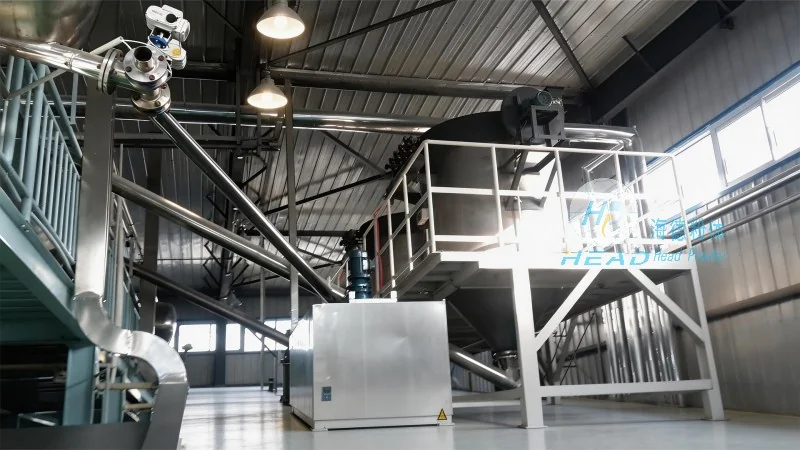
The design of a dry material pneumatic conveying system involves several key components that work in tandem to ensure efficient material transport. The primary components include the hopper or feeder, which holds the bulk material and regulates its flow into the system; the conveying line, which is typically made of metal or plastic and is sealed to prevent material loss and contamination; the air or gas source, which provides the necessary pressure to move the material; and the control system, which monitors and adjusts the flow of material and air to maintain optimal performance. Each component plays a crucial role in the overall operation of the system, and their design and integration are critical to the system's effectiveness.
How the Design Principles Work in Practice
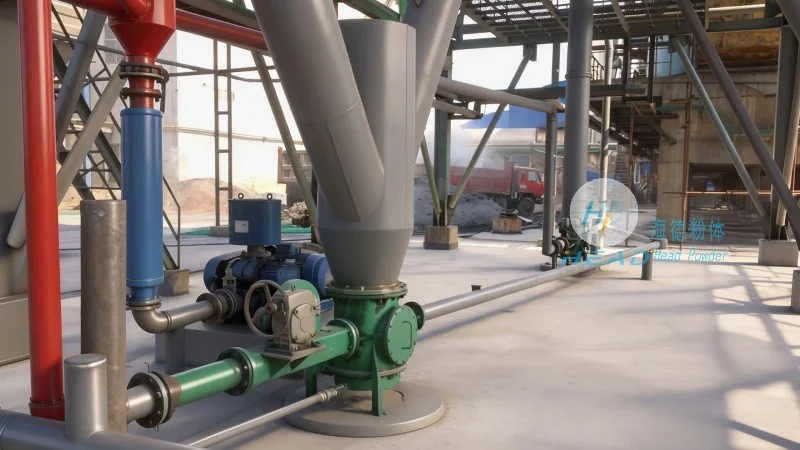
The design principles of a dry material pneumatic conveying machine are based on the fundamental physics of fluidization and gas-solid flow. The system operates by creating a flow of air or gas through the conveying line, which lifts and transports the dry material particles. The key design considerations include the velocity of the gas, the size and density of the material particles, and the length and diameter of the conveying line. Engineers must carefully calculate these parameters to ensure that the material is conveyed at an optimal velocity without causing excessive pressure drops or material degradation. For example, in a positive pressure system, the air is blown into the conveying line, pushing the material forward, while in a negative pressure system, the air is drawn out, creating a vacuum that pulls the material. The choice between these systems depends on the material being conveyed and the application requirements.
Applications and Benefits of Dry Material Pneumatic Conveying
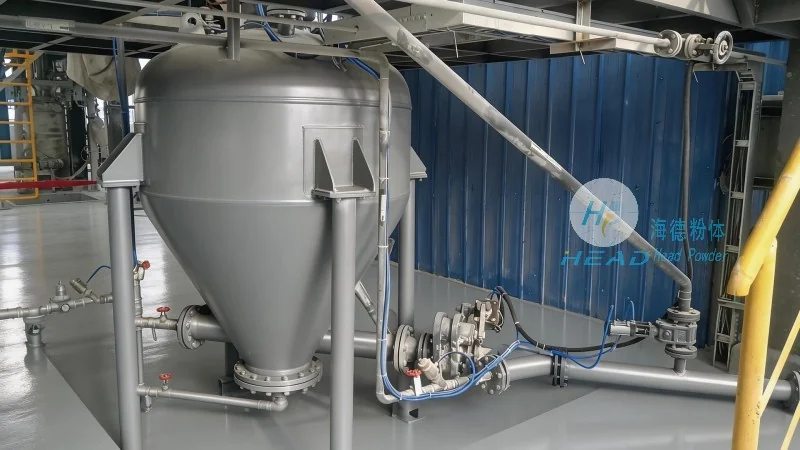
Dry material pneumatic conveying machines are widely used in various industrial applications due to their versatility and efficiency. In the food industry, they are used to transport ingredients like flour, sugar, and spices, ensuring that the materials remain clean and free from contamination. In the pharmaceutical industry, they are used to transport active pharmaceutical ingredients (APIs) and other powders, where hygiene and precision are paramount. In the chemical industry, they are used to transport various chemicals, including powders and granules, while maintaining safety and preventing dust explosions. The benefits of using a dry material pneumatic conveying system include reduced labor costs, improved safety by eliminating manual handling of powders, enhanced process control through real-time monitoring, and increased efficiency by minimizing material loss and downtime. Additionally, these systems can be designed to handle a wide range of materials, from fine powders to coarse granules, making them suitable for diverse industrial needs.
Company Overview: Shandong HeadPowder Engineering Co., Ltd.
Shandong HeadPowder Engineering Co., Ltd., a leading manufacturer of dry material pneumatic conveying systems, specializes in providing high-quality and reliable equipment for various industrial applications. With years of experience in the field, the company has developed a strong reputation for its innovative designs, robust construction, and excellent customer service. HeadPowder's team of engineers and technicians is dedicated to understanding the unique needs of each client and providing customized solutions that meet their specific requirements. The company's facilities are equipped with state-of-the-art technology and equipment, ensuring that every product is manufactured to the highest standards of quality and performance. HeadPowder's commitment to excellence has made it a trusted partner for many industries, helping them to improve their production processes and achieve their business goals.
Conclusion
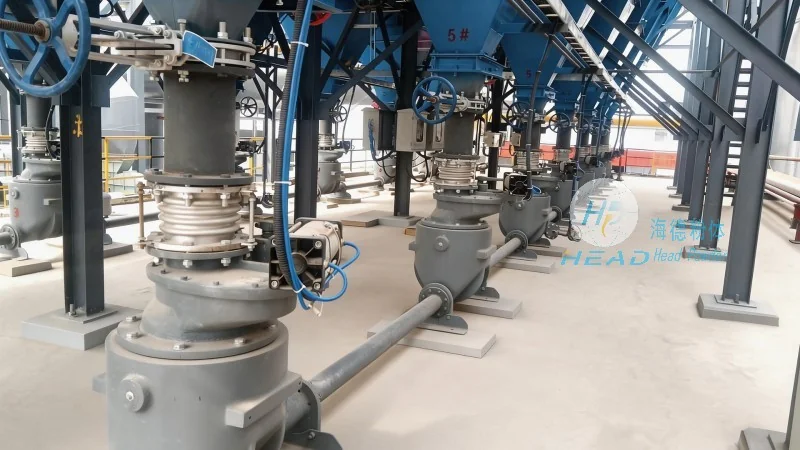
In conclusion, a dry material pneumatic conveying machine is a vital piece of industrial equipment that offers numerous benefits for the efficient and safe transport of dry bulk materials. The design principles behind these systems are based on sound engineering practices and are tailored to meet the specific needs of various industries. With the right design and implementation, a dry material pneumatic conveying system can significantly improve the efficiency and productivity of industrial processes. As a leading manufacturer in the industry, Shandong HeadPowder Engineering Co., Ltd. continues to provide high-quality equipment and solutions that help businesses achieve their operational goals while maintaining the highest standards of safety and performance.