

Role of Pneumatic Conveying in the Transport of Nickel Sulfate Crystals
Efficient material handling is a critical factor in the production and processing of nickel sulfate, a key chemical used in various industrial applications. Among the advanced techniques employed for transporting bulk materials, pneumatic conveying stands out as a versatile and effective solution, particularly for handling nickel sulfate crystals. This article explores the role of pneumatic conveying systems in the transport of nickel sulfate crystals, highlighting the benefits and technical considerations involved.
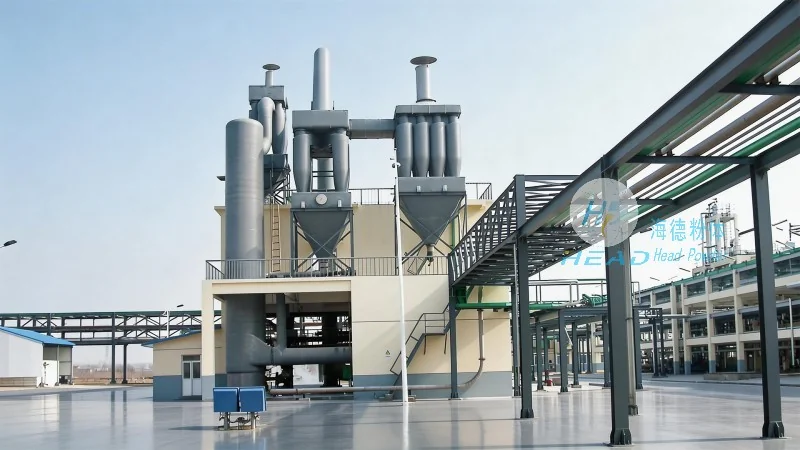
Shandong HeadPowder Engineering Co., Ltd., a leading provider of powder handling solutions, specializes in designing and implementing pneumatic conveying systems tailored to the unique requirements of chemical processing industries. With a focus on precision, reliability, and efficiency, the company's expertise in material handling technology ensures optimal performance for clients dealing with nickel sulfate and other fine chemicals.
Nickel sulfate is widely used in battery manufacturing, electroplating, and as a precursor in the production of other nickel compounds. The crystalline form of nickel sulfate presents specific challenges during transport, such as dust generation, product degradation, and the need for controlled flow rates. Pneumatic conveying addresses these challenges by utilizing air pressure to move the material through a closed system, minimizing contact with the environment and reducing the risk of contamination or loss.
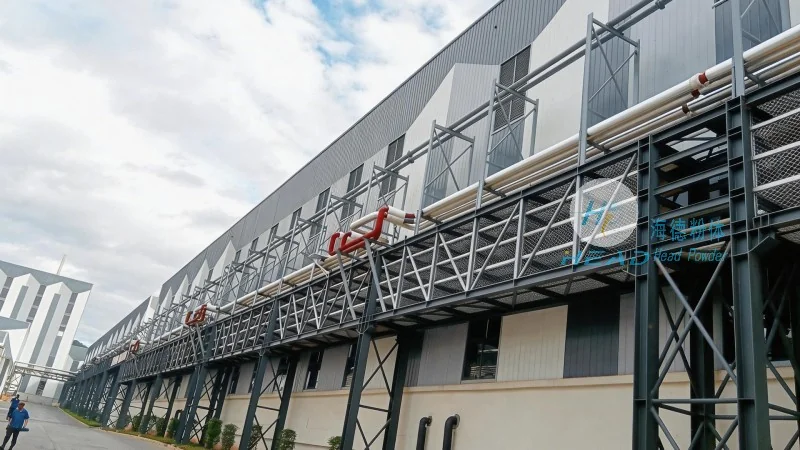
The core components of a pneumatic conveying system for nickel sulfate crystals include a hopper, a rotary valve, a conveyor line, and a receiver. The hopper stores the bulk material, while the rotary valve controls the flow of crystals into the conveyor line. The conveyor line, typically made of stainless steel or other corrosion-resistant materials, transports the material under pressure. The receiver collects the material at the destination, ensuring a clean and efficient transfer process. Shandong HeadPowder Engineering Co., Ltd. designs customized systems that integrate these components to meet the specific flow rates, pressure requirements, and material characteristics of each application.
One of the primary advantages of pneumatic conveying for nickel sulfate crystals is its ability to handle fine powders and prevent agglomeration. Unlike mechanical conveying methods, which can cause product degradation or blockages, pneumatic systems maintain the integrity of the crystals, ensuring consistent quality throughout the transport process. This is particularly important in industries where the purity and particle size distribution of nickel sulfate are critical, such as in battery production where even minor impurities can affect performance.
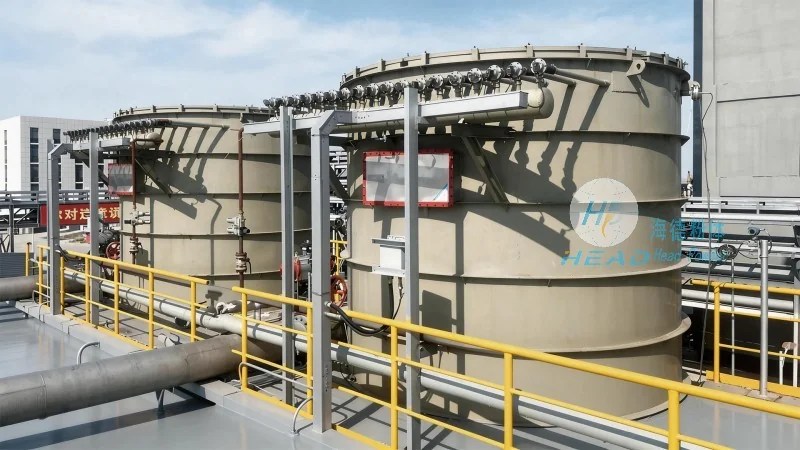
Another key benefit is the reduced risk of dust exposure and environmental contamination. Pneumatic conveying operates within a closed system, preventing dust from escaping into the workplace or the environment. This not only enhances safety for personnel but also complies with environmental regulations, making it an environmentally friendly solution for handling nickel sulfate crystals. Shandong HeadPowder Engineering Co., Ltd. incorporates dust collection and filtration systems into their designs to further minimize environmental impact and ensure compliance with local regulations.
Efficiency and cost-effectiveness are also significant factors in the adoption of pneumatic conveying for nickel sulfate transport. By eliminating the need for multiple handling steps and reducing downtime due to blockages or maintenance, these systems improve overall production throughput. The closed system design minimizes material loss and waste, leading to lower operational costs over time. Additionally, the ability to integrate with existing production lines without major modifications makes pneumatic conveying a flexible and cost-effective solution for companies looking to upgrade their material handling processes.
Technical considerations in the design of pneumatic conveying systems for nickel sulfate crystals include the selection of appropriate air velocity, pressure, and system configuration. The air velocity must be sufficient to prevent material settling but not so high as to cause excessive wear on the conveyor components. The pressure levels are determined by the distance and elevation changes between the source and destination, ensuring that the material is transported efficiently without excessive energy consumption. Shandong HeadPowder Engineering Co., Ltd. conducts thorough feasibility studies and material testing to determine the optimal parameters for each project, ensuring that the system operates at peak efficiency and meets the client's performance requirements.
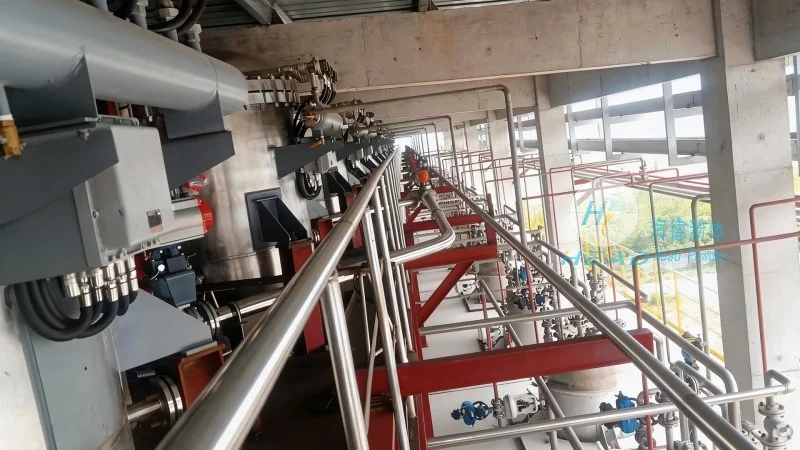
Maintenance and reliability are critical aspects of pneumatic conveying systems used in industrial settings. Regular maintenance, including cleaning of the conveyor line, inspection of components, and replacement of wear parts, is essential to ensure consistent performance. Shandong HeadPowder Engineering Co., Ltd. provides comprehensive maintenance services and offers spare parts to minimize downtime and maximize system uptime. The use of high-quality materials and robust construction in their systems further enhances reliability, reducing the risk of breakdowns and ensuring continuous operation.
In conclusion, pneumatic conveying plays a vital role in the efficient and safe transport of nickel sulfate crystals. By leveraging advanced technology and tailored solutions, companies like Shandong HeadPowder Engineering Co., Ltd. enable clients to optimize their material handling processes, improve product quality, and reduce operational costs. The benefits of pneumatic conveying, including dust control, product integrity, and efficiency, make it an ideal choice for industries dealing with nickel sulfate and other fine chemicals. As the demand for high-quality nickel sulfate continues to grow, the role of specialized material handling systems like those offered by Shandong HeadPowder Engineering Co., Ltd. becomes increasingly important in ensuring the smooth and sustainable operation of chemical processing facilities.