

What is Artificial Graphite Pneumatic Conveying? Classification and Applications of Pneumatic Convey
Artificial graphite, a synthetic form of carbon, is widely utilized in industrial applications due to its high electrical conductivity, thermal stability, and chemical resistance. Transporting this material efficiently and safely is critical for maintaining product integrity and operational efficiency. Pneumatic conveying, a technology that uses air or gas to move bulk materials through a pipeline, has emerged as a preferred method for handling artificial graphite. This approach eliminates the need for mechanical components like belts or buckets, reducing maintenance costs and minimizing the risk of material contamination. The process involves creating a pressure differential within the system, where air is introduced to push the material forward or a vacuum is applied to draw it into the pipeline. For artificial graphite, which can be abrasive and prone to dust generation, the choice of conveying system is crucial to prevent equipment wear and ensure consistent material flow.
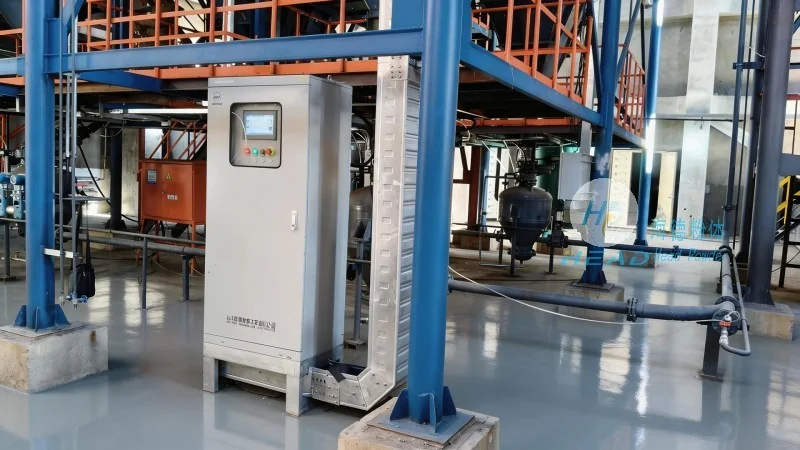
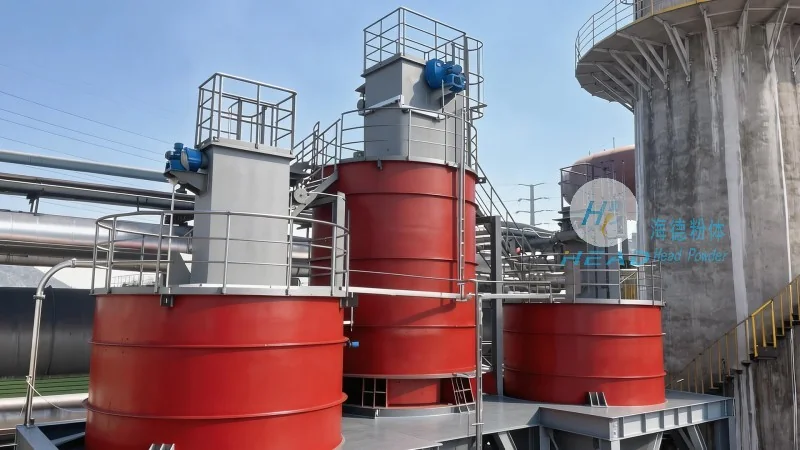
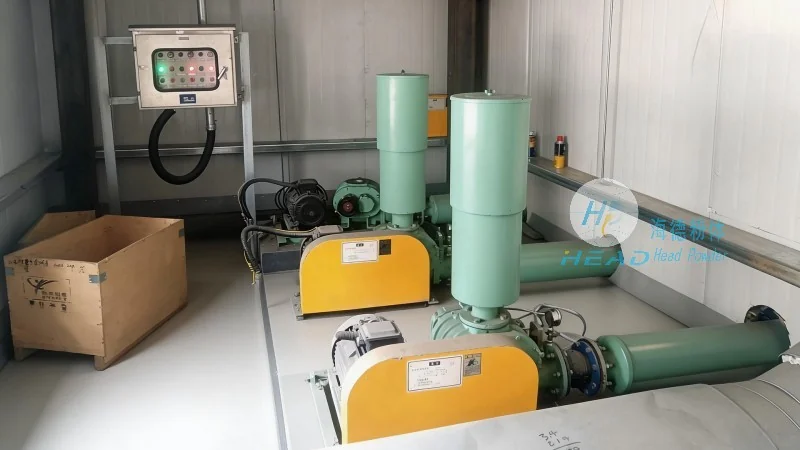
Classification of Pneumatic Conveying Systems
Pneumatic conveying systems are categorized based on the pressure applied to the material and the direction of flow. The primary classifications are pressure systems, vacuum systems, and combined systems. Pressure systems operate under positive pressure, where compressed air or gas is used to force the material through the pipeline. These systems are suitable for long-distance transport (up to several kilometers) and high-volume applications, as they can maintain a steady flow rate and reduce material degradation. For example, in the battery manufacturing industry, pressure systems are commonly used to transport artificial graphite from storage silos to production lines. Vacuum systems, conversely, rely on a vacuum to draw material into the pipeline, typically from a hopper or storage bin. This method is ideal for short-distance transport (less than 100 meters) or when the material is located at a lower elevation than the destination. Vacuum systems are often used in applications where the material is sensitive to pressure changes or where low noise levels are required. Combined systems, as the name suggests, use both pressure and vacuum components to optimize material transport. For instance, a system might use a vacuum to draw material from a hopper and then switch to a pressure system to transport it over longer distances. The selection of the appropriate system depends on factors such as the material's properties, the distance to be covered, and the desired flow rate.
Applications of Pneumatic Conveying in Industrial Settings
The versatility of pneumatic conveying makes it applicable across a wide range of industries, with artificial graphite being a key material in sectors like energy storage, electronics, and refractory manufacturing. In the battery industry, artificial graphite is a critical component of lithium-ion batteries, serving as the anode material. Pneumatic conveying ensures that the graphite is delivered to the production line in a clean and consistent manner, which is essential for maintaining battery performance and lifespan. The system helps in reducing the risk of contamination from dust or other particles, which could otherwise affect the battery's electrical properties. Similarly, in the electronics industry, artificial graphite is used in components such as heat sinks and conductive pastes. Pneumatic conveying allows for precise control over the material's flow, enabling manufacturers to achieve uniform coatings and improve product quality. The technology also contributes to operational efficiency by automating the material transport process, reducing labor costs and minimizing downtime. In the refractory industry, artificial graphite is used to produce high-temperature materials, and pneumatic conveying facilitates the transport of these materials from raw material storage to the production line. This ensures that the materials are handled gently, preserving their structural integrity and preventing damage that could affect the final product's performance.