

What is Catalyst Powder Pneumatic Conveying, Classification and Applications of Pneumatic Conveying
For industrial applications involving catalyst powders, efficient and reliable material handling is crucial. Pneumatic conveying, a method that uses pressurized air or vacuum to transport bulk materials like catalyst powders, has become a preferred solution in various industries. This article explores the concept of catalyst powder pneumatic conveying, the different types of pneumatic conveying systems, and their practical applications.
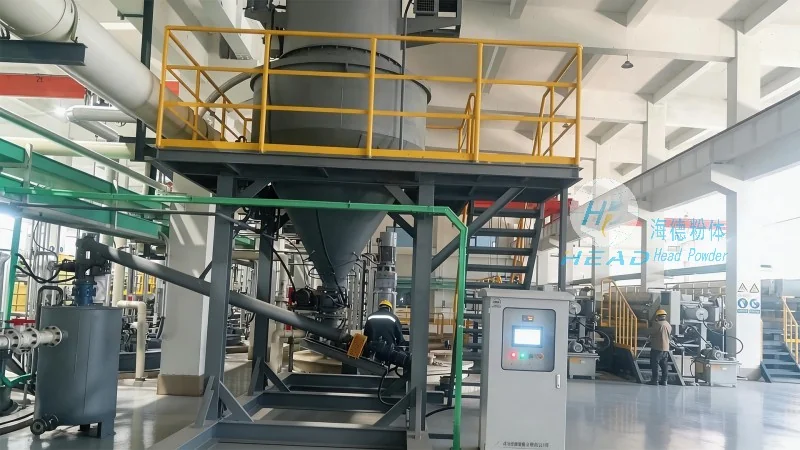
Introduction to Catalyst Powder Pneumatic Conveying
Catalyst powder pneumatic conveying refers to the process of transporting fine catalyst powders through a pipeline using air or gas as the conveying medium. This method is widely used in the chemical, petrochemical, and pharmaceutical industries due to its ability to handle sensitive materials without causing degradation or contamination. The core principle involves creating a flow of air that lifts and transports the powder particles through the pipeline, ensuring a clean and controlled transfer from the source to the destination.
Classification of Pneumatic Conveying Systems
Pneumatic conveying systems are typically classified based on the pressure used to move the material. The two main categories are pressure conveying and vacuum conveying. Pressure conveying systems operate under positive pressure, where air is blown into the system to push the material forward. Vacuum conveying, on the other hand, uses a vacuum to draw the material into the system. For catalyst powders, which often require gentle handling to maintain their activity, vacuum systems are commonly preferred as they exert less force on the particles. Additionally, there are hybrid systems that combine both pressure and vacuum components to optimize the conveying process for specific applications.
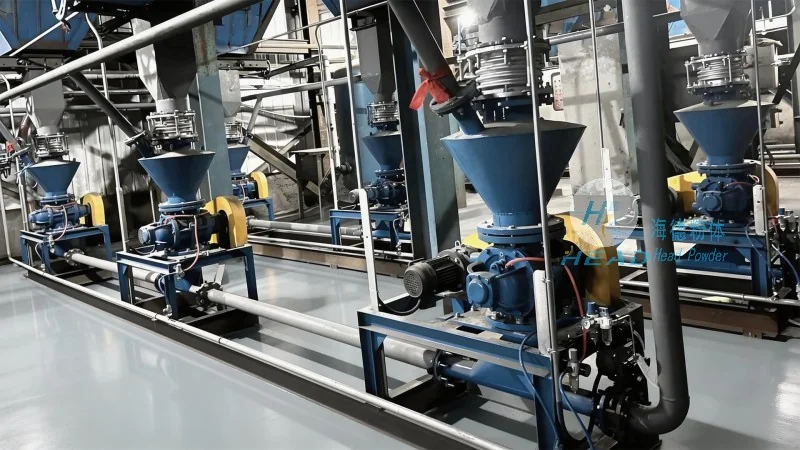
Applications of Pneumatic Conveying in Catalyst Industry
In the catalyst manufacturing and processing sector, pneumatic conveying is utilized in multiple stages. For instance, during the production of catalyst powders, the material is often conveyed from storage silos to mixing and blending equipment. This ensures a consistent and controlled flow of raw materials, which is critical for maintaining the quality and performance of the final catalyst product. Furthermore, in the downstream processing, such as catalyst regeneration or recovery, pneumatic conveying facilitates the transport of spent catalysts to treatment facilities or reprocessing units. The ability to handle catalyst powders in a dust-free environment minimizes the risk of contamination and ensures that the material remains in its optimal state throughout the process.
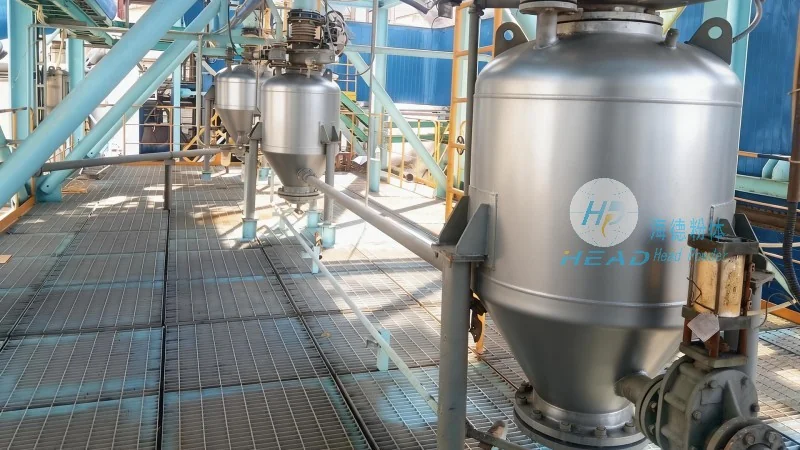
Advantages of Using Pneumatic Conveying for Catalyst Powders
One of the primary advantages of pneumatic conveying for catalyst powders is its ability to maintain the integrity of the material. Unlike mechanical conveying methods, which can cause abrasion or agglomeration, pneumatic systems use air to transport particles, reducing the risk of degradation. This is particularly important for catalysts, as their surface area and active sites are sensitive to physical damage. Additionally, pneumatic conveying offers a dust-free operation, which enhances workplace safety and reduces the need for extensive dust control measures. The system also allows for precise control over the flow rate and pressure, enabling operators to adjust the conveying parameters according to the specific characteristics of the catalyst powder. This flexibility ensures efficient material handling while minimizing energy consumption and operational costs.
Key Considerations for Selecting a Pneumatic Conveying System for Catalysts
When selecting a pneumatic conveying system for catalyst powders, several factors must be considered to ensure optimal performance. The first is the particle size and density of the catalyst, as these properties affect the air velocity required for effective conveying. Larger or denser particles may need higher air pressures or different system designs to achieve efficient transport. Another critical factor is the conveying distance and layout of the system, as longer distances may require multiple stages or booster units to maintain the material flow. The system's material compatibility is also essential, as catalyst powders can be corrosive or abrasive, necessitating the use of materials like stainless steel or special coatings for the pipeline and components. Furthermore, the need for dust control and environmental compliance must be addressed, as many industrial applications are subject to regulations regarding particulate emissions. By carefully evaluating these factors, companies can choose a pneumatic conveying system that meets their specific requirements and ensures reliable operation.