

What is Silica Powder Pneumatic Conveying? Classification and Applications of Pneumatic Conveying
Silica powder, also known as silicon dioxide powder, is a widely used material in various industrial applications due to its excellent physical and chemical properties. Pneumatic conveying is a common method for transporting such powders, offering advantages like efficient handling, reduced contamination, and improved safety compared to traditional bulk material transport methods. This article explores the concept of silica powder pneumatic conveying, outlines the different classifications of pneumatic conveying systems, and discusses practical applications in industrial settings.
Understanding Silica Powder Pneumatic Conveying
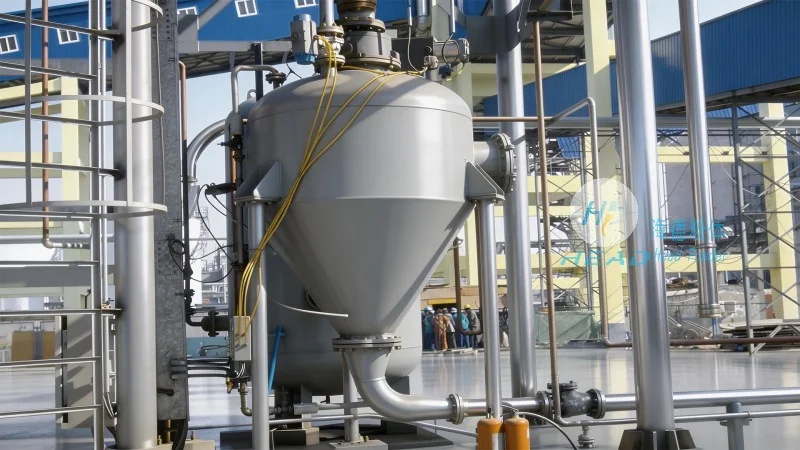
Pneumatic conveying involves the transport of particulate materials, such as silica powder, using a gas stream, typically air or a mixture of air and other gases. The process relies on the pressure difference created by the moving gas to move the powder through a pipeline system. In the case of silica powder, which is often fine and abrasive, specialized equipment is required to ensure efficient and reliable transport without causing excessive wear or clogging. The key components of a pneumatic conveying system for silica powder include a feeder, a conveying line, a receiver, and sometimes a filter or separator to handle any dust or particles that may escape the system.
Classification of Pneumatic Conveying Systems
Pneumatic conveying systems are generally classified based on the pressure of the conveying medium. The two main categories are pressure and vacuum systems. Pressure systems operate by blowing air or gas into the conveying line under positive pressure, pushing the powder forward. These systems are suitable for long-distance or high-capacity transport and are commonly used in industrial settings where large volumes of powder need to be moved over considerable distances. Vacuum systems, on the other hand, use a vacuum pump to create a negative pressure in the conveying line, drawing the powder from the source to the receiver. Vacuum systems are often preferred for shorter distances or when the material needs to be transported from multiple sources to a single destination.
Applications of Silica Powder Pneumatic Conveying
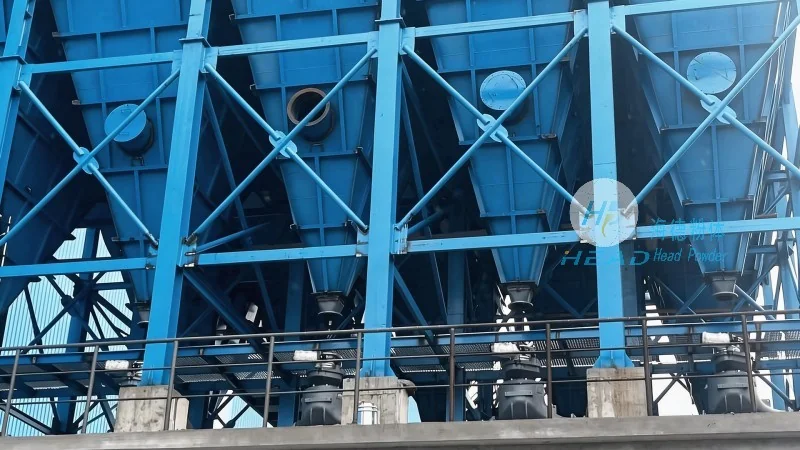
Silica powder pneumatic conveying is utilized in a variety of industries where the handling of fine powders is essential. In the construction industry, silica powder is used as a raw material in the production of concrete and mortar, and pneumatic conveying ensures that the powder is delivered to mixing sites efficiently and without contamination. The pharmaceutical industry also relies on pneumatic conveying for transporting silica powder, which is used as an excipient or filler in drug formulations. The food and beverage industry may use silica powder as a flow aid or anti-caking agent, and pneumatic conveying helps maintain product quality by preventing cross-contamination and ensuring consistent delivery. Additionally, in the chemical and petrochemical sectors, silica powder is used in the production of various compounds, and pneumatic conveying systems are employed to transport it between processing units, ensuring a continuous and controlled flow of material.
Advantages and Considerations for Silica Powder Pneumatic Conveying
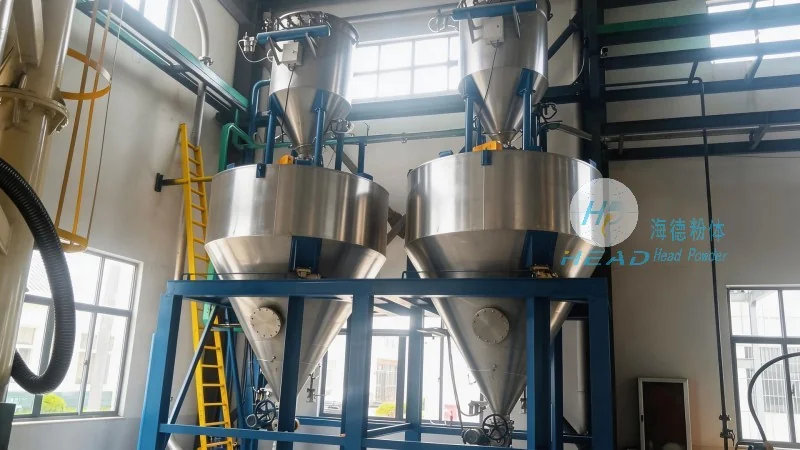
Implementing pneumatic conveying for silica powder offers several advantages. One of the primary benefits is the ability to handle fine and abrasive materials without the need for mechanical components that could wear out quickly. This reduces maintenance costs and extends the operational life of the system. Additionally, pneumatic conveying systems can be designed to operate in a closed loop, minimizing dust emissions and improving workplace safety. However, there are also considerations to keep in mind when using pneumatic conveying for silica powder. The high velocity of the gas can cause particle degradation or agglomeration, which may affect the quality of the final product. Proper system design, including the selection of appropriate pipe materials and flow rates, is crucial to mitigate these issues. Furthermore, the cost of equipment and energy consumption must be evaluated, as pneumatic conveying systems can be more expensive to install and operate compared to other transport methods.
Conclusion
Silica powder pneumatic conveying is a vital technology in the efficient and safe handling of fine powders in various industrial applications. By understanding the different classifications of pneumatic conveying systems and their specific applications, industries can select the most appropriate method for their needs. The use of specialized equipment and proper system design ensures that silica powder is transported effectively, maintaining product quality and operational efficiency. As a leading provider in this field, Shandong HeadPowder Engineering Co., Ltd. offers expertise and solutions tailored to the unique requirements of silica powder handling, helping businesses optimize their material transport processes and improve overall productivity.