

What is Wet Sodium Nitrate Pneumatic Conveying? Classification and Applications of Pneumatic Conveyi
Wet sodium nitrate pneumatic conveying is a specialized method used in material handling and transportation, particularly for handling wet or hygroscopic materials like sodium nitrate. This technology involves the use of air or gas to transport the material through a pipeline system. The process is crucial in industries where the material's moisture content and handling characteristics require controlled, efficient, and safe transportation. As a key component in bulk material handling, this method ensures minimal product degradation while maintaining operational efficiency.
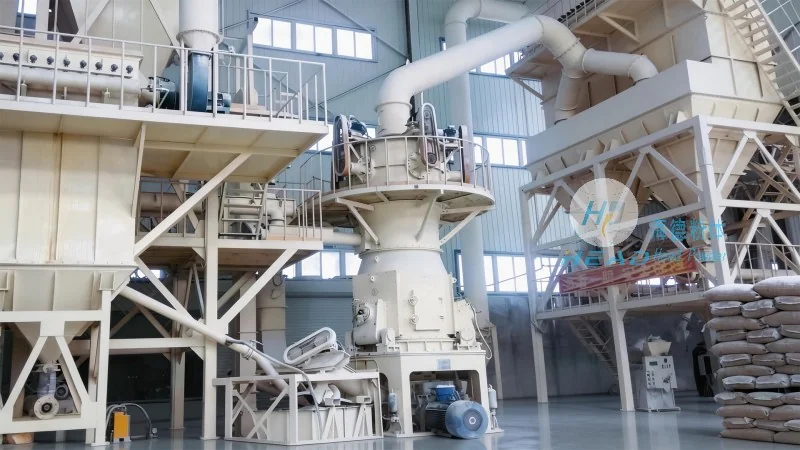
About HeadPowder: Your Expert in Pneumatic Conveying Solutions
HeadPowder, or Shandong HeadPowder Engineering Co., Ltd., is a leading provider of advanced pneumatic conveying systems tailored to meet the unique needs of various industrial applications. With a strong presence in China, particularly in Shandong, the company specializes in designing, manufacturing, and implementing efficient material handling solutions. HeadPowder's expertise lies in understanding the complexities of material properties, such as those of wet sodium nitrate, and developing customized systems that ensure optimal performance and reliability. The company's commitment to quality and innovation has made it a trusted partner for businesses seeking reliable pneumatic conveying solutions.
Classification of Pneumatic Conveying Systems
Pneumatic conveying systems are broadly classified into two main categories: pressure and vacuum systems. Each type has distinct characteristics and applications, tailored to the specific requirements of the material being transported.
Pressure Pneumatic Conveying
Pressure systems operate by using compressed air to push the material through the pipeline. This method is suitable for materials that are abrasive or have high density, as the high-pressure air provides the necessary force to move the material efficiently. The system typically includes a positive displacement blower or compressor that generates the required pressure. Pressure conveying is often used for long-distance transportation and for handling materials that are difficult to move by other means.
Vacuum Pneumatic Conveying
Vacuum systems, on the other hand, use a vacuum to draw the material into the pipeline. This approach is ideal for applications where the material needs to be collected from multiple sources or where the material is light and requires gentle handling. The vacuum is created by a fan or a vacuum pump, which pulls the material through the system. Vacuum conveying is commonly used in industries such as food processing, pharmaceuticals, and chemical manufacturing, where the material's integrity must be preserved.
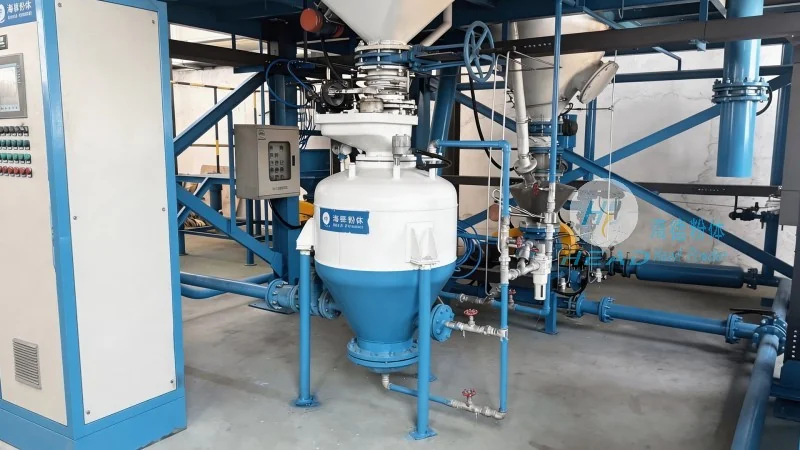
Applications of Wet Sodium Nitrate Pneumatic Conveying
The application of wet sodium nitrate pneumatic conveying spans multiple industries, leveraging the technology's ability to handle moisture-rich materials efficiently. Key applications include:
Chemical Manufacturing
In the chemical industry, wet sodium nitrate is often used as a raw material in the production of fertilizers, explosives, and other chemical products. Pneumatic conveying allows for the safe and efficient transport of this material from storage to processing units, minimizing the risk of contamination and ensuring consistent material flow. The controlled environment of the system helps maintain the material's quality and prevents moisture-related issues.
Agricultural Fertilizer Production
Wet sodium nitrate is a critical component in agricultural fertilizers, providing essential nutrients to crops. The pneumatic conveying system enables the seamless integration of this material into the production line, ensuring that the fertilizer is mixed and packaged with precision. This method reduces labor costs and improves the overall efficiency of the manufacturing process, making it a preferred choice for large-scale fertilizer production.
Industrial Processing and Handling
Beyond chemical and agricultural applications, wet sodium nitrate pneumatic conveying is also used in various industrial processes. For instance, in the production of glass, ceramics, and other materials, sodium nitrate is used as a flux or a reducing agent. The pneumatic system facilitates the precise delivery of this material to the processing equipment, ensuring optimal reaction conditions and product quality. The technology's ability to handle wet materials with minimal degradation makes it invaluable in these industrial applications.
Advantages of Wet Sodium Nitrate Pneumatic Conveying
Wet sodium nitrate pneumatic conveying offers several advantages over traditional material handling methods. These benefits include:
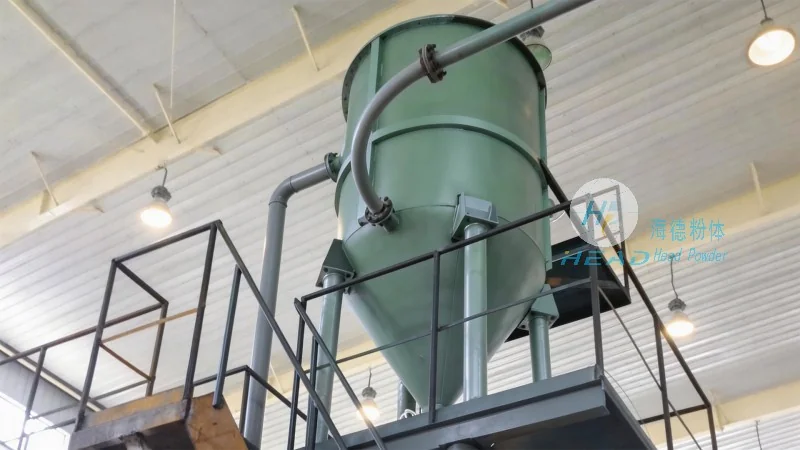
Efficiency and Speed
The use of compressed air allows for rapid material transport, reducing the time required for material handling. This efficiency is particularly beneficial in high-volume production environments where timely material delivery is critical. The system's ability to move large quantities of material quickly minimizes downtime and improves overall productivity.
Reduced Labor and Maintenance Costs
Pneumatic conveying systems require less manual labor compared to traditional methods, such as bucket elevators or belt conveyors. The automated nature of the system reduces the need for human intervention, lowering labor costs and minimizing the risk of human error. Additionally, the system's design minimizes wear and tear on components, reducing maintenance requirements and associated costs.
Improved Material Quality and Safety
By maintaining a controlled environment, wet sodium nitrate pneumatic conveying helps preserve the material's quality and integrity. The system prevents exposure to contaminants, moisture, and air, which can degrade the material's properties. Furthermore, the enclosed pipeline system reduces the risk of dust emissions and improves workplace safety, making it a preferred choice for handling potentially hazardous materials like sodium nitrate.
Conclusion
Wet sodium nitrate pneumatic conveying is a sophisticated and efficient method for handling moisture-rich materials, offering significant advantages in terms of performance, safety, and cost-effectiveness. With the expertise of companies like Shandong HeadPowder Engineering Co., Ltd., businesses can leverage this technology to enhance their material handling processes and achieve optimal operational efficiency. The classification and applications of pneumatic conveying systems further highlight the versatility and adaptability of this technology, making it a valuable asset in various industrial sectors.