

Working Principle and Features of Maltose Powder Pneumatic Conveying Equipment
HeadPowder, a leading manufacturer based in Shandong, China, specializes in the design and production of advanced pneumatic conveying systems for various powder materials, including maltose. This article provides an in-depth exploration of the working principle and key features of maltose powder pneumatic conveying equipment, highlighting its efficiency, reliability, and suitability for industrial applications.
Introduction to Maltose Powder Pneumatic Conveying Equipment
Maltose powder pneumatic conveying equipment is a critical component in the processing and handling of maltose, a widely used sugar alcohol in the food and pharmaceutical industries. The system utilizes compressed air or other gases to transport maltose powder from one location to another, eliminating the need for mechanical components like belts or chains that may cause contamination or material degradation. This technology offers a hygienic, efficient, and cost-effective solution for bulk material handling, making it an essential tool for manufacturers seeking to streamline their production processes.
Working Principle of Maltose Powder Pneumatic Conveying Equipment
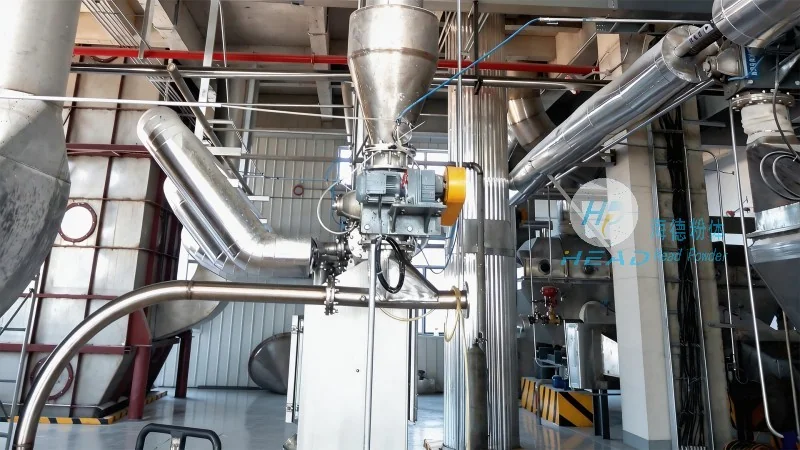
The operation of maltose powder pneumatic conveying equipment is based on the principle of air movement and particle suspension. The system typically consists of a hopper, a conveying line, a control valve, and a receiver. The maltose powder is first loaded into the hopper, where it is fed into the conveying line under the pressure of compressed air. The air, flowing at a high velocity, creates a low-pressure zone that draws the powder particles into the line, forming a dense phase or dilute phase flow depending on the system design. The dense phase conveying method is often preferred for maltose powder due to its ability to minimize particle degradation and maintain product quality, as it reduces the exposure time of the powder to air and mechanical stress.
In the dense phase conveying process, the air and powder are mixed in a ratio that keeps the powder particles suspended in a compact stream, preventing them from settling or agglomerating. The conveying line is usually made of stainless steel or other corrosion-resistant materials to ensure compatibility with maltose powder, which can be hygroscopic and sensitive to moisture. The control valve regulates the flow rate and pressure of the air, allowing for precise control over the conveying speed and volume. The receiver at the end of the line collects the conveyed maltose powder, which is then discharged into the next processing stage or storage container.
Key Features of Maltose Powder Pneumatic Conveying Equipment
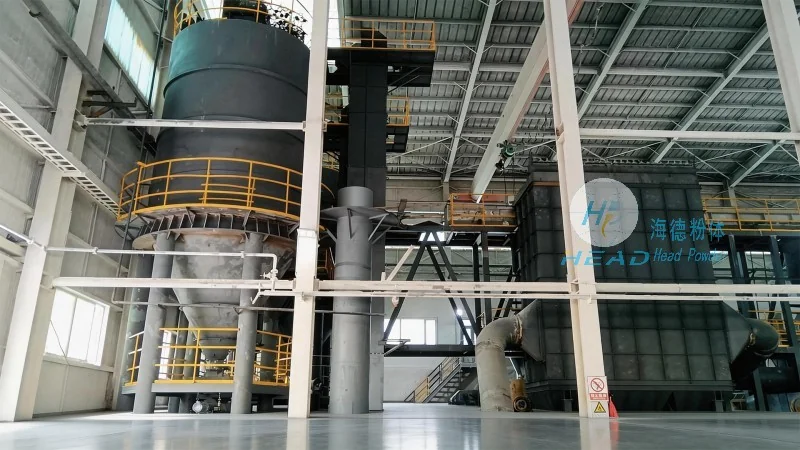
Maltose powder pneumatic conveying equipment from HeadPowder is designed with several key features that enhance its performance and suitability for maltose handling. One of the primary features is its hygienic design, which includes smooth, easy-to-clean surfaces and minimal dead zones to prevent the accumulation of powder and contaminants. The equipment is constructed from high-quality stainless steel, ensuring durability and resistance to corrosion, which is crucial for maintaining the purity of maltose powder, especially in food and pharmaceutical applications.
Another important feature is the system's flexibility in handling different powder characteristics. Maltose powder can vary in particle size, moisture content, and flowability, and the pneumatic conveying system is equipped with adjustable parameters such as air pressure, flow rate, and conveying line length to accommodate these variations. This adaptability allows manufacturers to optimize the conveying process for their specific maltose products, ensuring consistent and reliable performance.
The equipment also features advanced control systems that enable real-time monitoring and adjustment of the conveying process. Sensors are integrated into the system to measure parameters like pressure, flow rate, and temperature, providing operators with accurate data to maintain optimal operating conditions. This automation helps reduce human error and improves the overall efficiency of the production line, as well as ensuring product quality and safety.
Furthermore, the pneumatic conveying system offers energy efficiency compared to traditional mechanical conveying methods. By using compressed air as the primary driving force, the system minimizes energy consumption and reduces maintenance costs associated with mechanical components. The absence of moving parts in the conveying line also reduces the risk of mechanical failure and downtime, contributing to higher overall system reliability.
Applications and Benefits in Maltose Processing
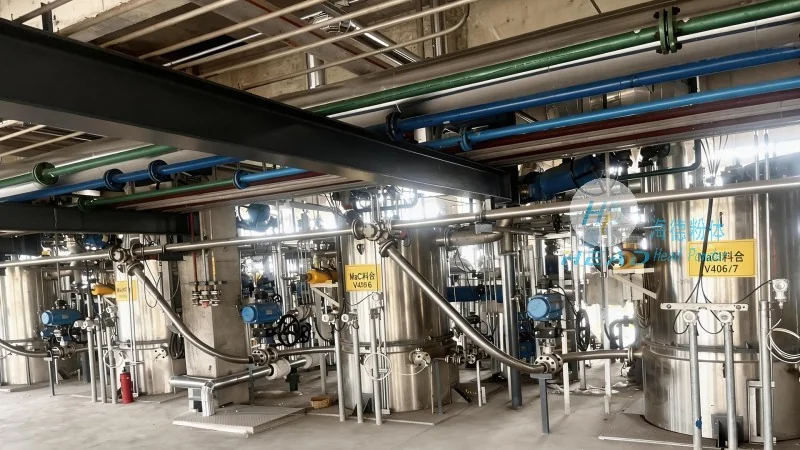
Maltose powder pneumatic conveying equipment is widely used in various stages of maltose processing, from raw material handling to final product packaging. In the food industry, it is commonly employed in the production of maltose syrups, candies, and other confectionery products, where the hygienic and efficient transport of maltose powder is essential to maintain product quality and meet regulatory standards. In the pharmaceutical industry, the equipment is used for the handling of maltose-based excipients, ensuring that the powder is delivered to the manufacturing line in a clean and controlled manner, which is critical for drug formulation and quality control.
The benefits of using maltose powder pneumatic conveying equipment extend beyond just material handling. The system reduces labor costs by automating the conveying process, allowing workers to focus on other tasks. It also minimizes material loss and waste, as the enclosed system prevents powder spillage and contamination. Additionally, the hygienic design of the equipment helps maintain a clean production environment, which is essential for industries where product purity and safety are paramount.
Conclusion
HeadPowder's maltose powder pneumatic conveying equipment combines advanced technology with robust design to provide an efficient, reliable, and hygienic solution for the handling of maltose powder. By understanding the working principle and key features of this equipment, manufacturers can optimize their production processes, improve product quality, and enhance overall operational efficiency. With its adaptability, energy efficiency, and hygienic design, the pneumatic conveying system is an indispensable tool for modern maltose processing facilities, ensuring consistent performance and compliance with industry standards.