

Classification and Application Analysis of Iron Powder Pneumatic Conveying Systems
Iron powder is a critical raw material in various industrial processes, including steel production, chemical manufacturing, and pharmaceuticals. The efficient and reliable transport of iron powder from storage to processing units is essential for maintaining production efficiency and product quality. Pneumatic conveying systems offer a solution by using air to move bulk materials like iron powder through pipelines. This article provides a classification of iron powder pneumatic conveying systems and an analysis of their applications in industrial settings.
Classification of Iron Powder Pneumatic Conveying Systems
Iron powder pneumatic conveying systems can be broadly classified into two main categories based on the pressure within the conveying line: positive pressure systems and negative pressure (or vacuum) systems. Each type has distinct characteristics and is suitable for different operational requirements.
Positive Pressure Pneumatic Conveying Systems
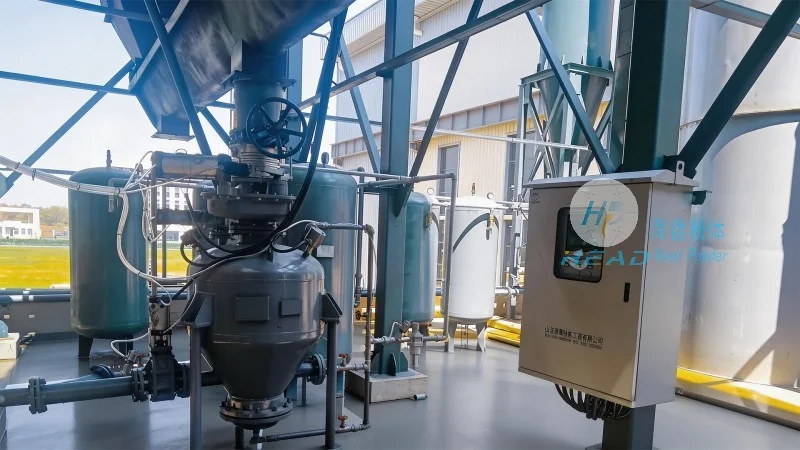
Positive pressure systems operate by blowing air or a gas mixture into the conveying line, creating a pressure higher than the ambient air pressure. This method is commonly used for conveying iron powder over long distances or through complex pipeline networks. The system typically includes a blower, a hopper for material storage, a feeder to control the flow rate, and a pipeline network. The positive pressure approach ensures that the material is continuously pushed forward, reducing the risk of blockages and ensuring consistent flow rates. HeadPowder, a leading manufacturer in the field, offers advanced positive pressure systems designed to handle the specific challenges of iron powder, such as its fine particle size and potential for dust generation.
Negative Pressure (Vacuum) Pneumatic Conveying Systems
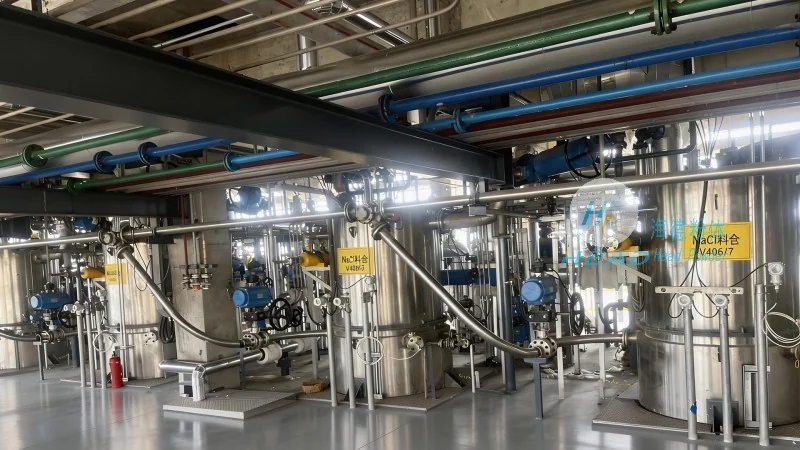
Negative pressure systems, also known as vacuum conveying systems, operate by creating a vacuum in the conveying line, drawing material from the source into the pipeline. This method is ideal for applications where the material needs to be transported from a lower elevation or where the source is located in a confined space. The system consists of a vacuum pump, a hopper, a feeder, and a pipeline that connects to the processing unit. Negative pressure systems are particularly effective for handling iron powder that is sensitive to pressure changes or for applications requiring gentle material handling. HeadPowder’s vacuum conveying solutions are engineered to minimize particle degradation and maintain the purity of iron powder during transport.
Other Classification Considerations
Beyond the primary pressure-based classification, iron powder pneumatic conveying systems can also be categorized based on the type of air flow and the conveying method. For instance, dilute phase and dense phase systems are common variations. Dilute phase systems use high-velocity air to suspend the material particles in the air stream, suitable for short to medium distance conveying. Dense phase systems, on the other hand, use lower air velocities and higher material concentrations, making them suitable for longer distances and more challenging applications. HeadPowder provides both dilute and dense phase solutions, allowing customers to choose the most appropriate system based on their specific operational needs and iron powder characteristics.
Application Analysis of Iron Powder Pneumatic Conveying Systems
The application of iron powder pneumatic conveying systems varies across different industries, with each sector having unique requirements for material handling. In the steel industry, iron powder is used as a raw material in the production of steel alloys and as a component in the manufacturing of iron-based products. The pneumatic conveying systems used in this sector must be capable of handling large volumes of iron powder and ensuring minimal contamination. HeadPowder’s systems are designed to meet these demands, providing reliable transport from storage silos to production lines. In the chemical industry, iron powder is utilized in the production of pigments, catalysts, and other chemical compounds. The systems used here often require high precision in material flow control and the ability to handle fine particles without clogging. HeadPowder’s advanced control systems and material handling expertise ensure that iron powder is transported efficiently and safely in chemical processing environments.
Application in Pharmaceutical and Food Industries
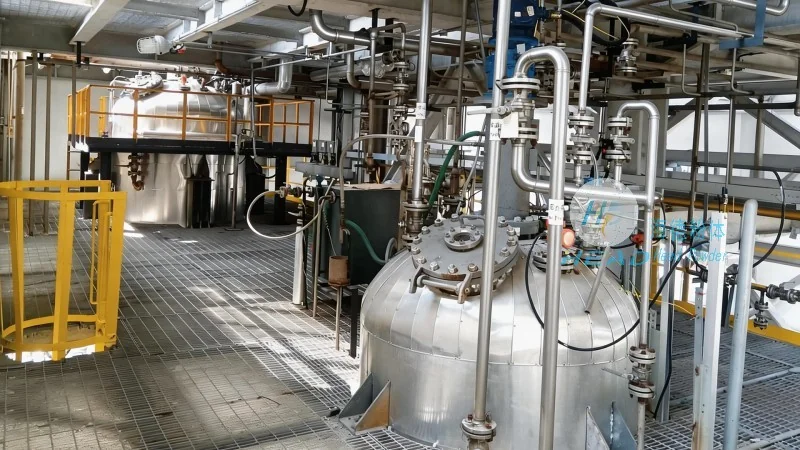
While less common, iron powder is also used in the pharmaceutical and food industries as a nutritional supplement or as an ingredient in certain formulations. In these sectors, the pneumatic conveying systems must adhere to strict hygiene and contamination control standards. HeadPowder’s systems are designed with sanitary components and easy-to-clean features, making them suitable for handling iron powder in pharmaceutical and food processing applications. The company’s focus on quality and compliance ensures that its systems meet the regulatory requirements of these industries, providing reliable transport of iron powder without compromising product safety.
Advantages and Considerations in Iron Powder Pneumatic Conveying
Iron powder pneumatic conveying systems offer several advantages over traditional mechanical conveying methods. These include reduced labor costs, improved safety by eliminating manual handling of bulk materials, and the ability to transport materials over long distances without the need for intermediate storage. However, the systems also have considerations, such as the need for proper air filtration to prevent dust accumulation and the potential for material degradation if the system is not properly maintained. HeadPowder addresses these considerations by providing comprehensive system solutions, including air filtration systems and regular maintenance services, ensuring that iron powder is transported efficiently and safely.