

What is a Resin Pneumatic Conveyor? Understanding Its Design Principles
HeadPowder, or Shandong HeadPowder Engineering Co., Ltd., is a leading provider of industrial material handling solutions. With a focus on innovation and precision engineering, the company specializes in designing and manufacturing high-quality pneumatic conveyors tailored to the needs of the resin industry. Headquartered in Shandong, China, HeadPowder leverages years of experience to deliver reliable equipment that meets the demanding requirements of modern manufacturing processes.
What is a Resin Pneumatic Conveyor?
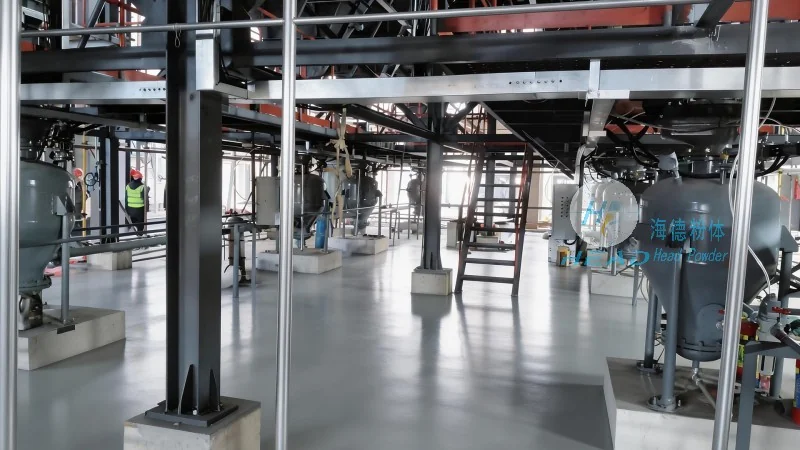
A resin pneumatic conveyor is a system that uses compressed air or other gases to transport resin materials from one location to another. Unlike traditional mechanical conveyors, which rely on belts or chains, pneumatic conveyors utilize air pressure to move materials through a pipeline. This method is particularly effective for transporting fine or abrasive resin particles, as it minimizes material degradation and reduces the risk of contamination. The system typically consists of a hopper, a venturi or airlock mechanism, and a receiving container, all connected by a network of pipes.
Design Principles of Resin Pneumatic Conveyors
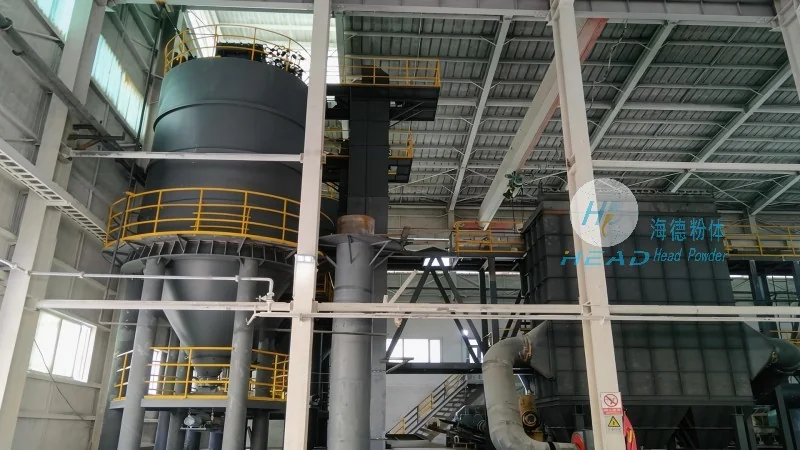
The design of a resin pneumatic conveyor is based on several key principles that ensure efficient and safe operation. The first principle is the use of appropriate air velocity to maintain material suspension. Engineers calculate the required air velocity based on the particle size, density, and flow rate of the resin. This ensures that the particles remain suspended in the air stream, preventing blockages and ensuring consistent flow. Another critical principle is the selection of materials for the conveyor components. Since resin materials can be abrasive, the pipes, hoppers, and other parts are typically made from corrosion-resistant materials such as stainless steel or specialized plastics to withstand wear and chemical exposure.
Key Components and Their Functions
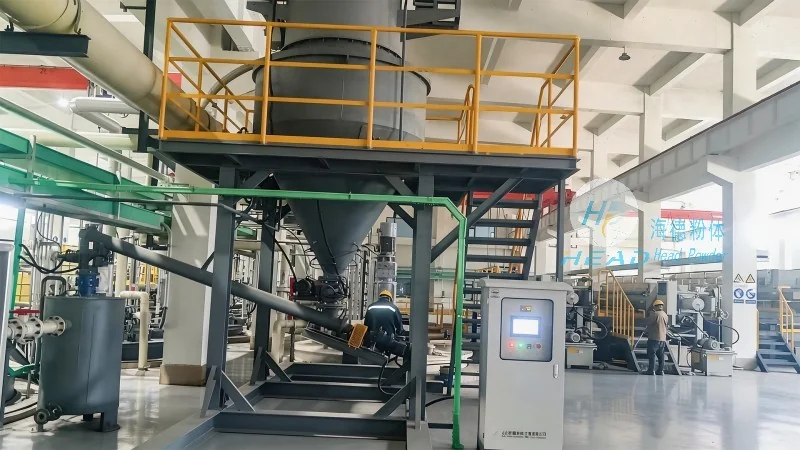
The resin pneumatic conveyor system comprises several essential components, each playing a vital role in the overall operation. The hopper is the initial container where resin is loaded. It is designed to feed the material into the conveyor system at a controlled rate, preventing overloading and ensuring a steady flow. The venturi or airlock mechanism is the core of the system, responsible for creating the pressure differential that moves the material. The venturi uses a narrow section in the pipe to increase air velocity, which in turn pulls the resin particles along with the air stream. The airlock, on the other hand, uses a rotating valve to control the flow of material, preventing backflow and maintaining consistent pressure. The receiving container is where the resin is deposited after being transported through the pipeline. It is typically equipped with a discharge valve to control the release of material and prevent spillage.
How the System Operates
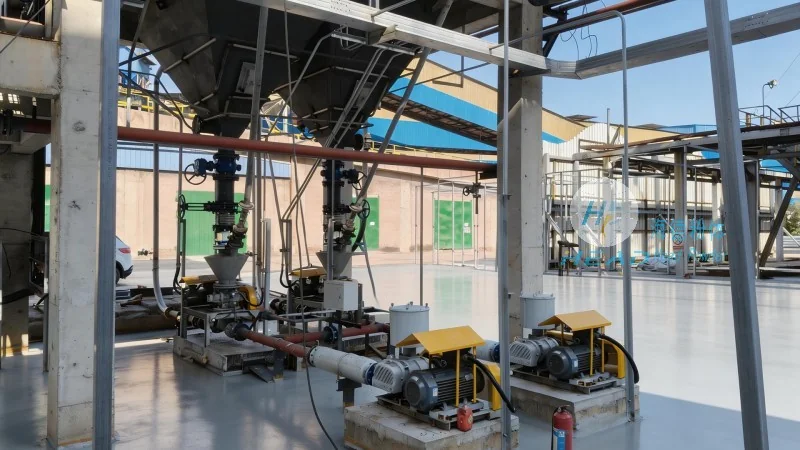
The operation of a resin pneumatic conveyor involves a sequence of steps that ensure smooth material transport. First, the resin is fed into the hopper from a storage bin or processing unit. The hopper then releases the material into the conveyor line at a controlled rate. Simultaneously, compressed air is introduced into the system, creating a high-velocity air stream. The air stream carries the resin particles through the pipeline, maintaining them in suspension. As the material travels through the system, it passes through any necessary processing steps, such as filtration or drying. The receiving container is positioned at the end of the pipeline, and the material is deposited there when the air pressure is reduced or the air flow is stopped. The system then resets, and the cycle repeats. This continuous process allows for efficient and automated resin transport, reducing labor costs and improving overall productivity.
Design Considerations for Optimal Performance
Designing a resin pneumatic conveyor requires careful consideration of several factors to ensure optimal performance. One of the primary considerations is the particle size and density of the resin. Larger or heavier particles may require higher air velocities and more robust components to prevent blockages. Engineers also need to account for the moisture content of the resin, as excessive moisture can lead to clogging or corrosion. The system's layout is another critical factor, as the length and curvature of the pipeline can affect the air pressure and material flow. Properly designed bends and elbows are essential to maintain consistent air velocity and prevent material deposition. Additionally, the system must be equipped with safety features, such as pressure relief valves and emergency shut-off mechanisms, to prevent accidents and ensure operator safety.
Conclusion
Resin pneumatic conveyors are essential equipment for efficient resin material handling in industrial settings. By leveraging the principles of pneumatic technology and careful engineering, these systems provide reliable and safe transport of resin particles. HeadPowder, with its expertise in industrial material handling, offers high-quality resin pneumatic conveyors that are designed to meet the specific needs of the resin industry. With a focus on durability, efficiency, and safety, these conveyors help manufacturers optimize their production processes and improve overall productivity. Whether used in resin manufacturing, processing, or distribution, a well-designed pneumatic conveyor is a critical investment for any industrial operation.