

What is a Powder Pneumatic Conveying System? And What Are Its Design Principles?
For industries dealing with bulk powder handling, selecting the right conveying system is crucial for efficiency, cost-effectiveness, and product integrity. A powder pneumatic conveying system, also known as a pneumatic conveyor, is a method of transporting dry powder materials through a pipeline using air or other gas as the medium. This technology has become increasingly popular due to its ability to handle a wide range of powder types, from fine powders to bulk materials, while minimizing product contamination and maintaining process control. In this article, we will explore what a powder pneumatic conveying system is and delve into its core design principles that ensure optimal performance.
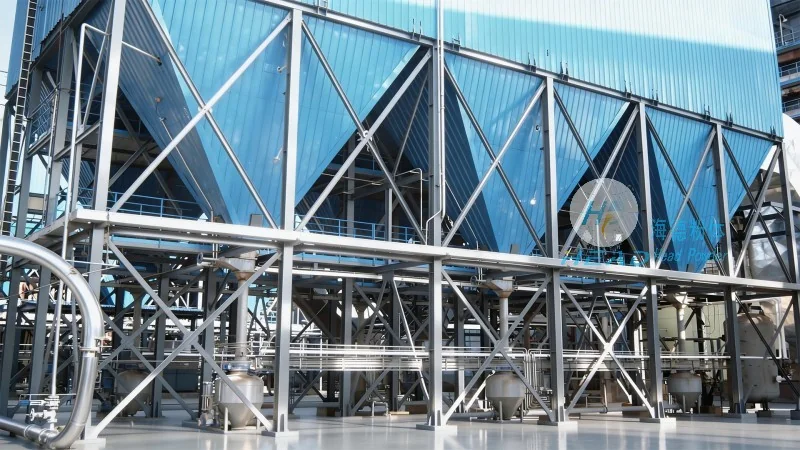
What is a Powder Pneumatic Conveying System?
A powder pneumatic conveying system is a mechanical system that uses pressurized air or vacuum to move dry powder materials from one location to another. Unlike traditional mechanical conveyors like belt or screw conveyors, which rely on physical contact with the material, pneumatic systems use air to create a flow that propels the powder through the pipeline. This method is particularly advantageous for materials that are sensitive to moisture, temperature changes, or physical abrasion, as it reduces the risk of contamination and degradation. The system typically consists of a hopper for material storage, a feeder to control the flow rate, a pipeline for transportation, and a receiver for material discharge. The choice of system type—such as pressure or vacuum conveying—depends on the specific application and the properties of the powder being handled.
Key Design Principles of Powder Pneumatic Conveying Systems
The effectiveness of a powder pneumatic conveying system is largely determined by its design, which must account for several critical factors to ensure reliable operation. The first principle is the selection of the appropriate conveying method, which can be categorized into pressure or vacuum systems. Pressure conveying uses compressed air to push the powder forward, while vacuum conveying uses a vacuum to pull the material. The choice between these methods depends on factors like the distance to be covered, the material's density, and the required flow rate. For example, pressure systems are often used for short to medium distances and high flow rates, whereas vacuum systems are better suited for longer distances or when the material is light and easily suspended.
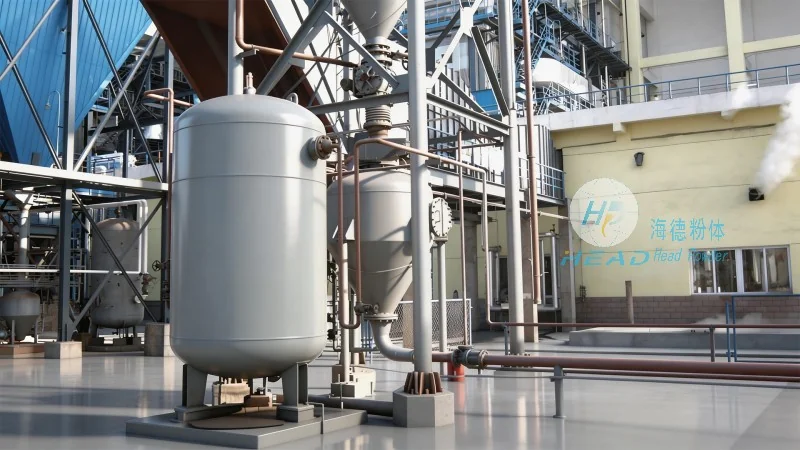
Another critical design principle is the selection of the right pipeline diameter and material. The diameter of the pipeline must be large enough to prevent excessive pressure drop and ensure that the powder can be suspended efficiently. The material of the pipeline—such as stainless steel, plastic, or metal—must be chosen based on the chemical compatibility of the powder and the need for hygiene or corrosion resistance. For instance, stainless steel is commonly used for food-grade or pharmaceutical powders due to its non-reactive properties, while plastic pipes are suitable for non-corrosive materials.
The design also involves the selection of a suitable feeder. The feeder controls the flow rate of the powder into the pipeline, which is essential for maintaining consistent pressure and preventing blockages. Common feeder types include rotary valves, screw feeders, and vibratory feeders. The choice of feeder depends on the powder's flowability and the required flow rate. For cohesive or fine powders, a rotary valve with a special design (such as a star or slide valve) may be used to prevent clogging. For bulkier materials, a screw feeder can provide a more consistent flow.
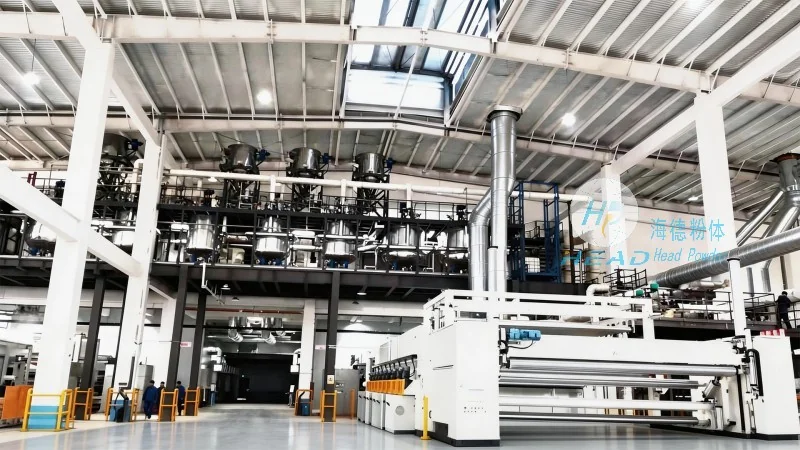
Furthermore, the system's design must consider the pressure drop across the pipeline. Pressure drop is the reduction in air pressure as it moves through the pipeline, and it is influenced by factors like the pipeline length, diameter, and the presence of bends or fittings. Excessive pressure drop can lead to reduced conveying efficiency and may require additional air supply or a larger compressor. To minimize pressure drop, the pipeline should be as short as possible, with smooth bends and minimal fittings. The use of larger diameter pipes or reducing the number of bends can also help maintain optimal pressure levels.
Components and Their Roles in a Powder Pneumatic Conveying System
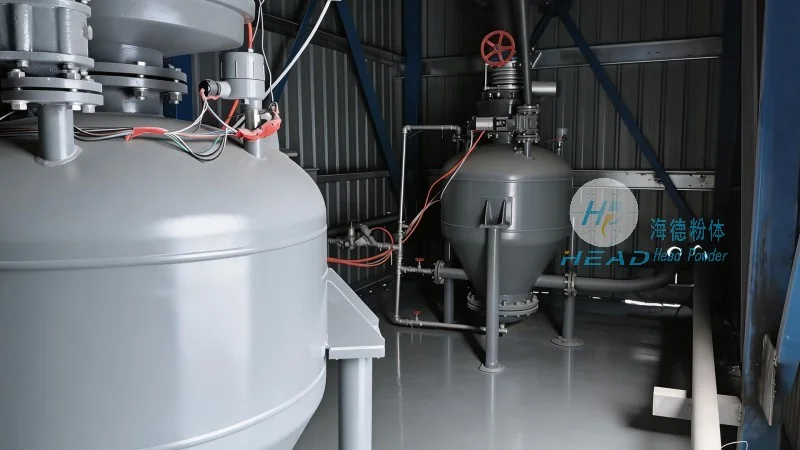
Each component of a powder pneumatic conveying system plays a vital role in ensuring its proper functioning. The hopper serves as the storage container for the powder, providing a consistent supply to the feeder. It is typically designed with a sloped bottom to prevent material bridging and ensure smooth discharge. The feeder, as mentioned earlier, controls the flow rate of the powder into the pipeline. It must be able to handle the specific characteristics of the powder, such as its bulk density, flowability, and moisture content. The pipeline is the main conduit for transporting the powder, and its design must be optimized for minimal pressure loss and efficient material suspension. The receiver is the final component, where the powder is discharged from the system. It is usually equipped with a dust collection system to prevent air leakage and maintain a clean environment.
Applications and Benefits of Powder Pneumatic Conveying Systems
Powder pneumatic conveying systems are widely used in various industries, including pharmaceuticals, food processing, chemical manufacturing, and mining. In the pharmaceutical industry, for example, these systems are used to transport active pharmaceutical ingredients (APIs) and excipients, ensuring that the materials are handled in a sterile and contamination-free environment. The food industry uses pneumatic conveyors to move ingredients like flour, sugar, and spices, maintaining product quality and preventing cross-contamination. In chemical manufacturing, these systems are used to transport raw materials and finished products, reducing the risk of dust explosions and improving safety. The benefits of using a powder pneumatic conveying system include improved process control, reduced labor costs, and enhanced product quality. Additionally, these systems can be easily integrated into existing production lines, making them a versatile solution for bulk powder handling.