

What is Hay and Forage Pneumatic Conveying? Classification and Applications of Pneumatic Conveying
Hay and forage pneumatic conveying is a specialized form of material handling technology that uses air to transport bulk materials like hay, forage, and other agricultural products. This method offers efficient, dust-free, and flexible solutions for moving these materials from one location to another, making it a preferred choice in the agricultural and livestock industries. The technology is particularly valuable for handling materials that are lightweight, dusty, or prone to degradation, as it minimizes the risk of contamination and loss during transport.
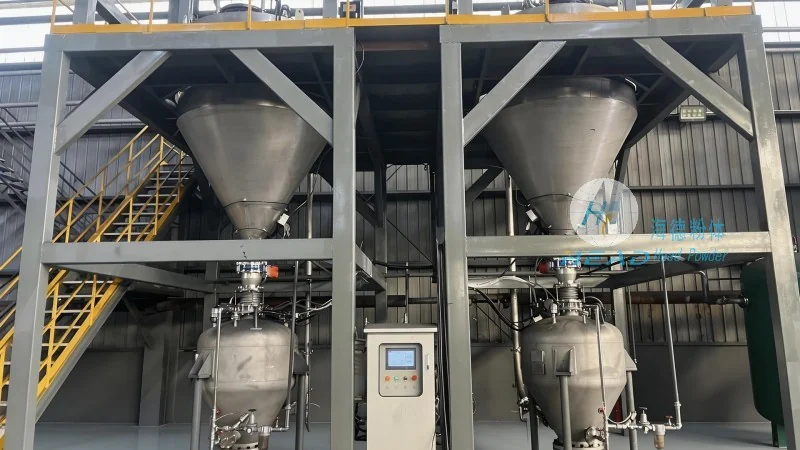
Classification of Pneumatic Conveying Systems
Pneumatic conveying systems are broadly classified into two main types based on the direction of air flow and the pressure used: suction (or vacuum) systems and pressure systems. Each type has distinct characteristics and is suited for different applications.
Suction (Vacuum) Pneumatic Conveying Systems operate by creating a negative pressure (vacuum) at the material intake point. Air and material are drawn into the system, and the mixture is then transported through the pipeline to the discharge point. This type of system is ideal for applications where the material source is at a higher elevation than the discharge point, as it can effectively pull material up and over obstacles. The suction system is also well-suited for handling materials that are light and may be prone to being carried away by the air stream, as the vacuum helps to control the flow and prevent material loss.
Pressure Pneumatic Conveying Systems, on the other hand, use positive pressure to push the material through the pipeline. The material is first loaded into a hopper or feeder, and then air is introduced to create a pressure differential that propels the material forward. This system is typically used when the material source is at a lower elevation than the discharge point, as it can effectively push material up and over obstacles. Pressure systems are also preferred for handling heavier or more abrasive materials, as the higher pressure helps to maintain the material's integrity and prevent blockages in the pipeline.
Applications of Pneumatic Conveying in Hay and Forage Handling
The application of pneumatic conveying in hay and forage handling is widespread due to its ability to efficiently transport these materials with minimal damage. Some common applications include:
1. From Field to Storage: After harvesting, hay and forage are often transported from the field to storage facilities such as barns, silos, or haylofts. Pneumatic conveying systems can efficiently move large volumes of material over long distances, reducing the need for manual handling and minimizing the risk of spoilage.
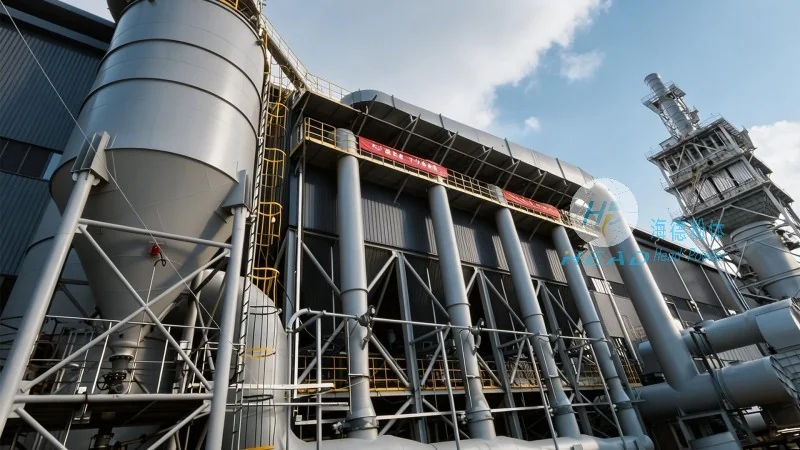
2. Within Storage Facilities: Once stored, hay and forage may need to be moved between different storage areas or processed further. Pneumatic conveying allows for the seamless transfer of material within the facility, ensuring that the material is handled gently and without the risk of contamination.
3. Forage Processing: During the processing of forage, such as chopping or grinding, the material may need to be moved from one processing unit to another. Pneumatic conveying systems can handle these materials with precision, ensuring that the material is transported without breaking down or losing its nutritional value.
4. Animal Feeding: In livestock operations, hay and forage are often delivered directly to animal feeding areas. Pneumatic conveying allows for the automated delivery of feed, reducing labor costs and ensuring that animals receive a consistent and high-quality diet.
Advantages of Using Pneumatic Conveying for Hay and Forage
There are several key advantages to using pneumatic conveying systems for hay and forage handling. These include:
1. Efficiency and Speed: Pneumatic conveying systems can transport large volumes of material quickly and efficiently, reducing the time and labor required for material handling.
2. Low Maintenance: Compared to other material handling systems, such as belt conveyors or bucket elevators, pneumatic conveying systems have fewer moving parts and require less maintenance, resulting in lower operational costs.
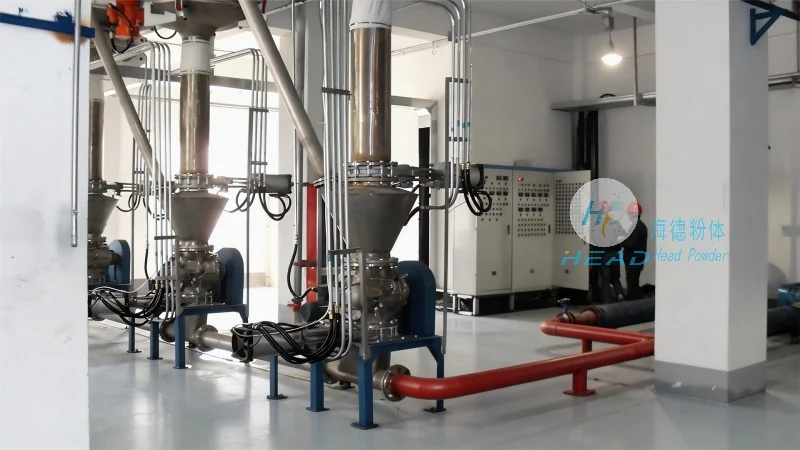
3. Dust Control: Pneumatic conveying systems are enclosed, which helps to control dust and minimize the risk of respiratory issues for workers and animals.
4. Material Integrity: The enclosed system and gentle handling of material help to preserve the quality and nutritional value of hay and forage, ensuring that the material remains fresh and suitable for use.
5. Flexibility: Pneumatic conveying systems can be easily reconfigured to handle different types of materials or to adapt to changes in the layout of the facility.
About Shandong HeadPowder Engineering Co., Ltd.
Shandong HeadPowder Engineering Co., Ltd., commonly known as HeadPowder, is a leading manufacturer and supplier of pneumatic conveying systems and related equipment. With a focus on innovation and quality, HeadPowder has established itself as a trusted partner in the agricultural and material handling industries. The company specializes in designing and manufacturing customized pneumatic conveying solutions that meet the specific needs of its clients, ensuring that the systems are efficient, reliable, and durable.
HeadPowder's products are widely used in various applications, including hay and forage handling, grain processing, and other bulk material transport. The company's commitment to customer satisfaction and technical excellence has earned it a reputation for delivering high-quality products and services. With a strong presence in China and a growing international market, HeadPowder continues to expand its reach and provide innovative solutions to the global material handling industry.