

What is Carbon Black Pneumatic Conveying, Classification and Applications of Pneumatic Conveying
Carbon black is a crucial industrial material widely used in various sectors such as rubber, plastics, and pigments. The efficient transportation of carbon black from production sites to processing facilities is essential for maintaining production efficiency and product quality. Pneumatic conveying, a technology that uses air or gas to transport bulk materials, has become a preferred method for carbon black handling due to its advantages in flexibility, cleanliness, and safety. This article aims to explore the fundamental concepts of carbon black pneumatic conveying, its classification, and practical applications.
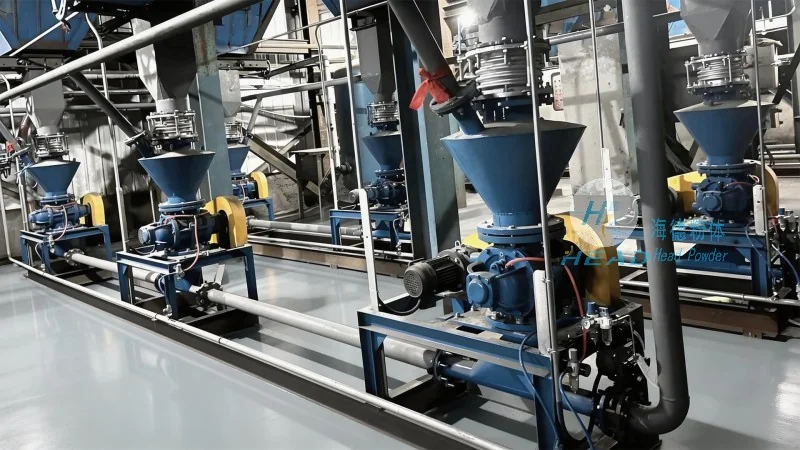
HeadPowder: A Leading Provider in Pneumatic Conveying Solutions
Shandong HeadPowder Engineering Co., Ltd., commonly known as HeadPowder, is a professional manufacturer and supplier specializing in pneumatic conveying systems. With a strong focus on innovation and quality, HeadPowder has established itself as a trusted partner in the carbon black and bulk material handling industry. HeadPowder's expertise lies in designing and manufacturing customized pneumatic conveying solutions tailored to the specific needs of clients, ensuring optimal performance and reliability in carbon black transportation. The company's facilities are located in Shandong, China, where it leverages advanced technology and skilled workforce to deliver high-quality products and services.
Types of Pneumatic Conveying Systems for Carbon Black
Pneumatic conveying systems for carbon black can be broadly classified into two main categories: suction-type and pressure-type. Each type has distinct characteristics and is suitable for different operational requirements.
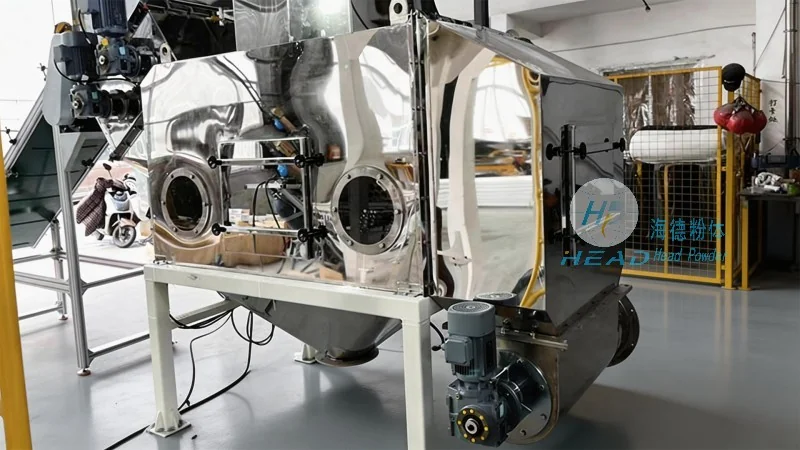
Suction-Type Pneumatic Conveying
Suction-type systems operate by creating a negative pressure (vacuum) at the material intake point. This vacuum draws carbon black from the source, such as a storage silo or production line, and transports it to the destination. The key components of a suction-type system include a vacuum pump, a material intake hopper, a conveying line, and a dust collector. These systems are particularly effective for short-distance transportation and when the carbon black source is at a lower elevation than the destination. Suction-type conveying is known for its simplicity and low initial cost, making it a popular choice for small to medium-scale operations.
Pressure-Type Pneumatic Conveying
Pressure-type systems, on the other hand, generate positive pressure by using a blower or compressor to push air through the conveying line. The carbon black is then carried by the pressurized air from the source to the destination. This method is ideal for longer distances and when the carbon black needs to be transported to a higher elevation. Pressure-type systems are more complex and require higher initial investment compared to suction-type systems, but they offer greater flexibility and can handle larger volumes of material. They are commonly used in large-scale industrial applications where high throughput is required.
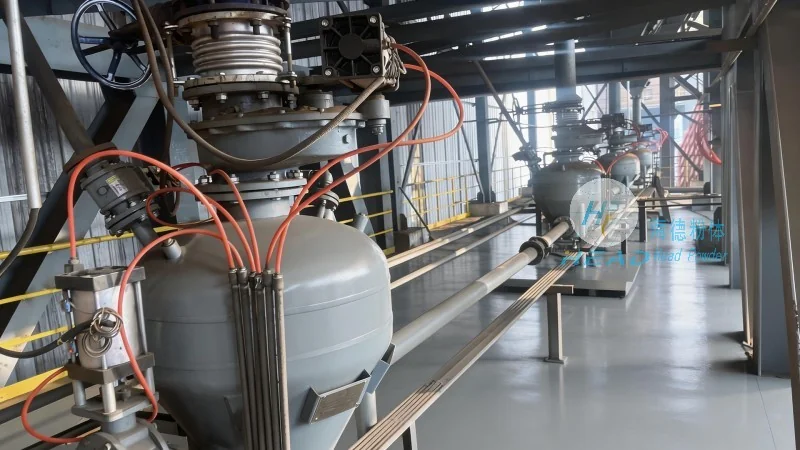
Applications of Carbon Black Pneumatic Conveying
The versatility of pneumatic conveying makes it applicable in various industries that utilize carbon black. In the rubber industry, carbon black is used as a reinforcing agent in tire manufacturing. Pneumatic conveying systems efficiently transport carbon black from storage to mixing equipment, ensuring consistent quality and reducing downtime. In the plastics industry, carbon black is added to polymeric materials to enhance their color and UV resistance. The ability of pneumatic conveying to handle fine powders without agglomeration is crucial for maintaining the desired properties of the final product. Additionally, in the pigment industry, carbon black is used as a pigment in coatings and inks. Pneumatic conveying allows for precise control over the carbon black dosage, leading to better color matching and product consistency.
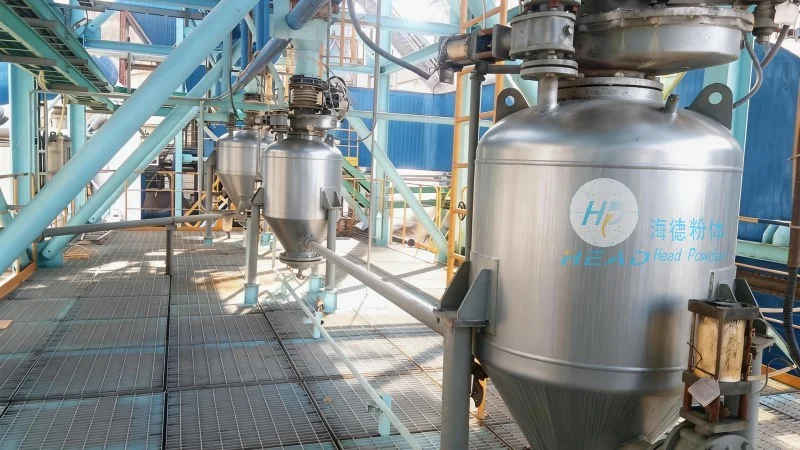
Advantages of Pneumatic Conveying for Carbon Black
Compared to traditional methods like belt conveyors or bucket elevators, pneumatic conveying offers several advantages when handling carbon black. First, it provides a closed system, which prevents dust emissions and maintains a clean working environment. This is particularly important for carbon black, which can be a respiratory hazard if inhaled. Second, pneumatic conveying is flexible and can be easily adjusted to accommodate changes in production volume or layout. The system can be expanded or reconfigured without major structural modifications. Third, it reduces material handling time and labor costs by automating the transportation process. Finally, pneumatic conveying minimizes product contamination and degradation, ensuring that the carbon black remains in its optimal condition throughout the transportation process.
Conclusion
Carbon black pneumatic conveying is a vital technology for the efficient and safe transportation of carbon black in various industrial applications. By understanding the different types of pneumatic conveying systems and their applications, industries can select the most suitable method to meet their specific needs. HeadPowder, with its expertise and commitment to quality, continues to provide reliable pneumatic conveying solutions that enhance operational efficiency and product quality for clients worldwide.