

What is Plastic Powder Pneumatic Conveying? Classification and Applications of Pneumatic Conveying
Plastic powder pneumatic conveying is a technology used to transport plastic powders and granules through a pipeline using air or gas as the conveying medium. This method is widely adopted in the plastic processing industry due to its efficiency, flexibility, and ability to handle various plastic materials without causing contamination or degradation.
Understanding Pneumatic Conveying Systems
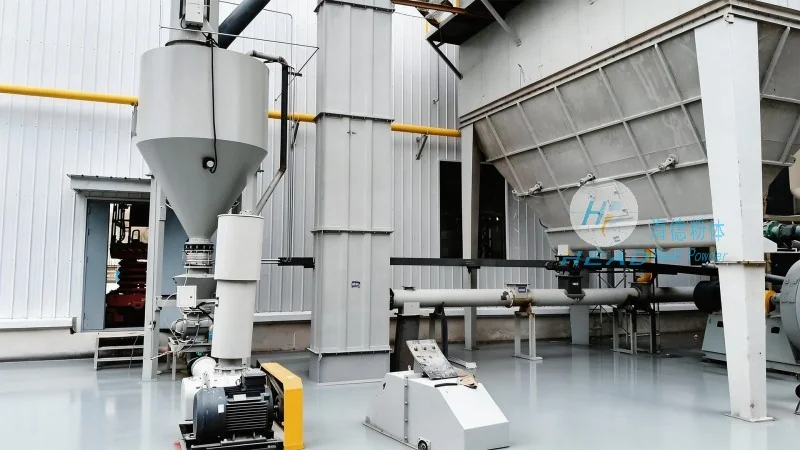
Pneumatic conveying systems for plastic powders typically consist of a hopper, a conveyor line, and a receiver. The system operates by creating a pressure differential or using a vacuum to move the plastic particles through the pipeline. The choice of system type depends on factors such as material properties, distance, and throughput requirements.
Classification of Pneumatic Conveying Systems
Pneumatic conveying systems are generally classified into two main categories: pressure and vacuum systems. Each type has distinct characteristics and is suitable for different applications.
1. Pressure Conveying Systems
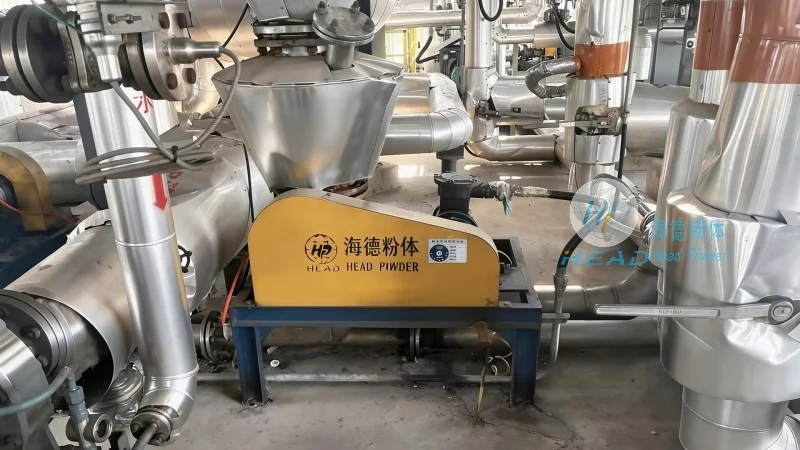
Pressure conveying systems use compressed air to push the plastic powder through the pipeline. These systems are suitable for long-distance and high-capacity applications. They are commonly used when the material needs to be conveyed from a central storage area to multiple processing points. The system includes a positive displacement blower or compressor that generates the necessary pressure to move the material.
2. Vacuum Conveying Systems
Vacuum conveying systems use a vacuum to draw the plastic powder into the pipeline. These systems are ideal for short-distance and low-to-medium capacity applications, especially when the material is to be collected from multiple points and transported to a central location. The vacuum is created by a rotary vane pump or a Roots blower.
3. Mixed Conveying Systems
Mixed conveying systems combine both pressure and vacuum principles. They are often used for complex conveying tasks that require both pushing and pulling actions. This type of system is versatile and can handle a wide range of plastic materials and conveying distances.
Applications of Plastic Powder Pneumatic Conveying
Plastic powder pneumatic conveying is widely used in various industries, including plastic manufacturing, food processing, and pharmaceuticals. Some common applications include:
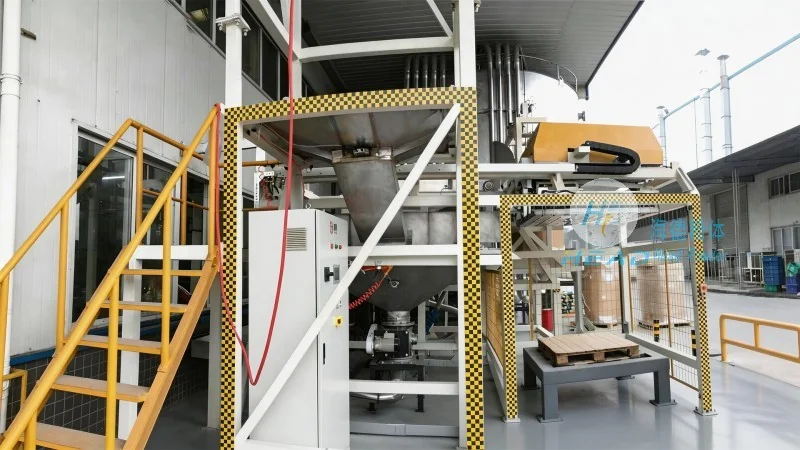
- Transporting plastic resins from storage silos to extrusion or molding machines
- Conveying plastic additives and colorants to blending equipment
- Handling recycled plastic materials in waste management and recycling facilities
- Transferring plastic powders in research and development laboratories for testing and analysis
Key Considerations for Pneumatic Conveying
When implementing a plastic powder pneumatic conveying system, several factors must be considered to ensure optimal performance and efficiency. These include:
- Material properties: The particle size, density, and flowability of the plastic powder affect the system design and operation.
- Conveying distance and capacity: The required distance and material flow rate determine the type of system and equipment specifications.
- System layout: The arrangement of hoppers, pipelines, and receivers affects the overall efficiency and cost of the system.
- Energy consumption: The power requirements of the blower or compressor impact the operational costs and environmental impact.
Shandong HeadPowder Engineering Co., Ltd. and Pneumatic Conveying Solutions
Shandong HeadPowder Engineering Co., Ltd., a leading provider of plastic powder handling solutions, specializes in designing and manufacturing pneumatic conveying systems tailored to the specific needs of plastic processing industries. With a strong focus on innovation and quality, the company offers customized solutions that enhance productivity and reduce operational costs for its clients.
HeadPowder's expertise lies in understanding the unique challenges of plastic powder handling and developing efficient conveying systems that meet the highest standards of performance and reliability. The company's team of engineers and technicians work closely with clients to assess their requirements and provide comprehensive solutions, from system design and installation to maintenance and support.