

The Working Principle and Features of Refractory Material Powder Pneumatic Conveying Systems
Refractory material powder pneumatic conveying systems are critical equipment in industrial processes, designed to transport fine powders efficiently and safely. These systems utilize air as the medium to move refractory materials, which are often used in high-temperature applications such as steelmaking, ceramics, and glass manufacturing. The technology behind these systems combines principles of fluidization and pneumatic transport to achieve reliable material handling.
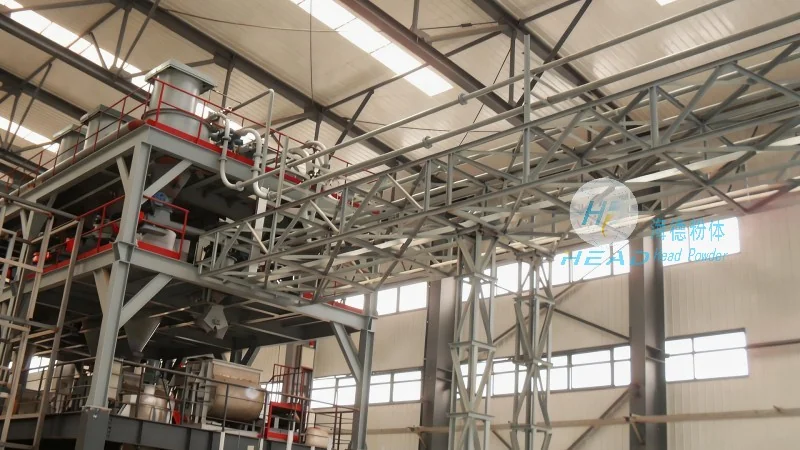
Working Principle of Refractory Material Powder Pneumatic Conveying Systems
The core working principle of refractory material powder pneumatic conveying systems revolves around the use of compressed air or vacuum to move powder particles. There are two primary types of systems based on the operating pressure: vacuum (or suction) conveying and pressure (or pressure) conveying. In vacuum conveying, a vacuum is created at the material inlet to draw the powder into the system. The air and powder mixture then travels through the pipeline to the discharge point, where the powder is separated from the air using a separator or cyclone. Pressure conveying, on the other hand, uses compressed air to push the powder through the pipeline. This method is suitable for longer distances and higher material loads. Both systems rely on the principle of fluidization, where the powder particles are suspended in the air stream, allowing for smooth and continuous transport.
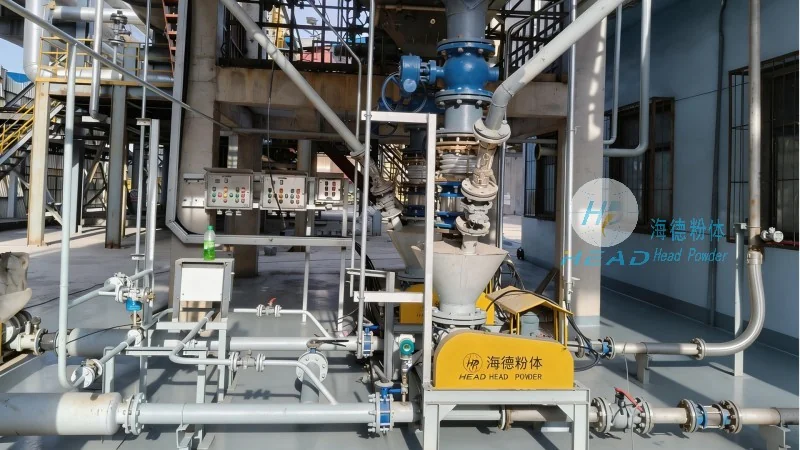
Key Features of Refractory Material Powder Pneumatic Conveying Systems
Refractory material powder pneumatic conveying systems offer several advantages that make them ideal for industrial applications. First, they provide a highly efficient and dust-free transport method, eliminating the need for manual handling and reducing the risk of dust exposure. This is particularly important for refractory materials, which can be hazardous if inhaled. Second, these systems are flexible and adaptable, capable of transporting materials over varying distances and through complex piping networks. They can handle both dry and slightly moist powders, making them versatile for different refractory applications. Third, the equipment is compact and space-saving, as it does not require large storage or handling areas compared to traditional methods like bucket elevators or belt conveyors. Additionally, pneumatic conveying systems are clean and hygienic, which is crucial in food and pharmaceutical industries, though refractory materials are typically used in heavy industries, the principle of cleanliness applies to preventing contamination. The systems also offer low maintenance costs and can be easily integrated into existing production lines, reducing downtime and operational expenses.
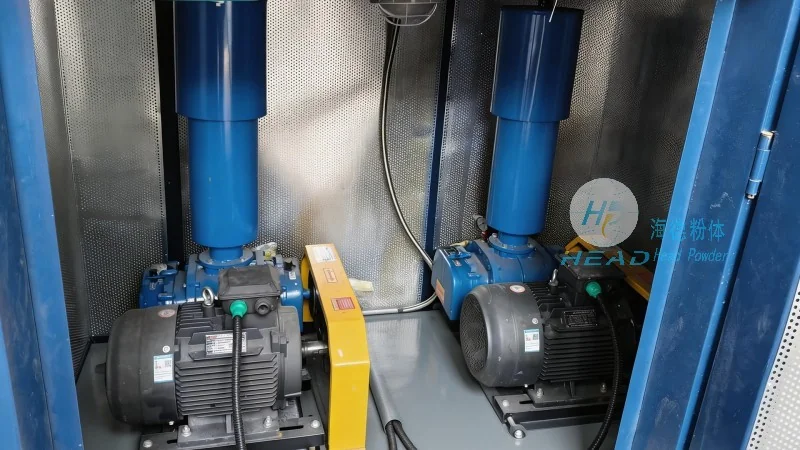
Manufacturer: Shandong HeadPowder Engineering Co., Ltd.
Shandong HeadPowder Engineering Co., Ltd., commonly known as HeadPowder, is a leading manufacturer specializing in refractory material processing equipment. With a strong focus on innovation and quality, HeadPowder designs and produces pneumatic conveying systems tailored to the specific needs of industrial clients. The company’s expertise lies in understanding the unique properties of refractory materials, such as their high temperature resistance and abrasive nature, and developing systems that can handle these challenges effectively. HeadPowder’s products are engineered to ensure durability, reliability, and efficiency, meeting the demands of modern industrial operations. The company’s facilities are located in Shandong, China, where it leverages advanced manufacturing technologies and skilled workforce to deliver high-performance equipment to global markets.