

What is Silicon Carbide Pneumatic Conveying, Classification and Applications of Pneumatic Conveying
Understanding the fundamentals of silicon carbide pneumatic conveying is crucial for industries dealing with this high-performance material. This article explores the definition, classification, and practical applications of pneumatic conveying systems, particularly focusing on the unique properties of silicon carbide and how these systems facilitate its efficient handling. The information provided is based on the expertise of Shandong HeadPowder Engineering Co., Ltd., a leading provider of industrial material handling solutions based in Shandong, China.
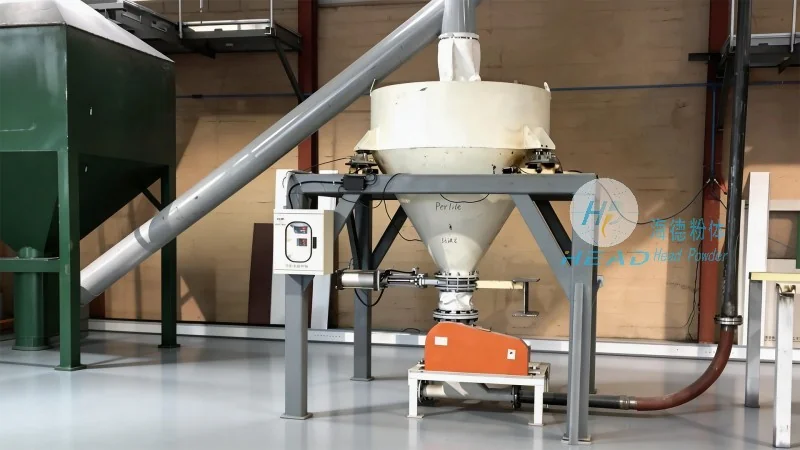
Introduction to Silicon Carbide Pneumatic Conveying
Silicon carbide (SiC) is a synthetic ceramic material known for its exceptional hardness, thermal stability, and chemical resistance. It is widely used in various industrial applications, including abrasives, refractories, and semiconductor manufacturing. Pneumatic conveying, a method of transporting bulk materials through a pipeline using air or gas as the conveying medium, offers a flexible and efficient solution for handling silicon carbide. This technique involves the movement of particles suspended in a gas stream, enabling the material to be transported over long distances without the need for mechanical components like belts or buckets.
Classification of Pneumatic Conveying Systems
Pneumatic conveying systems are typically classified based on the pressure within the conveying line. The two main categories are positive pressure (or pressure) systems and negative pressure (or vacuum) systems. Each type has distinct characteristics and is suitable for different operational requirements.
Positive Pressure Pneumatic Conveying
In a positive pressure system, air is supplied under pressure to the material feed point and travels through the entire conveying line. This method is often preferred for long-distance or high-capacity applications, as it can handle larger particle sizes and higher material loads. The system typically includes a blower or compressor at the inlet, which generates the necessary pressure to move the material. Positive pressure systems are also suitable for applications where the material may be dusty or require containment to prevent environmental contamination.
Negative Pressure Pneumatic Conveying
Conversely, negative pressure systems operate by creating a vacuum at the discharge end of the line, drawing material from the source and pulling it through the pipeline. This approach is commonly used for shorter distances or when the material is sensitive to pressure changes, as it minimizes the risk of material degradation or contamination. Negative pressure systems are particularly effective for handling fine powders or materials that are prone to caking or agglomeration.
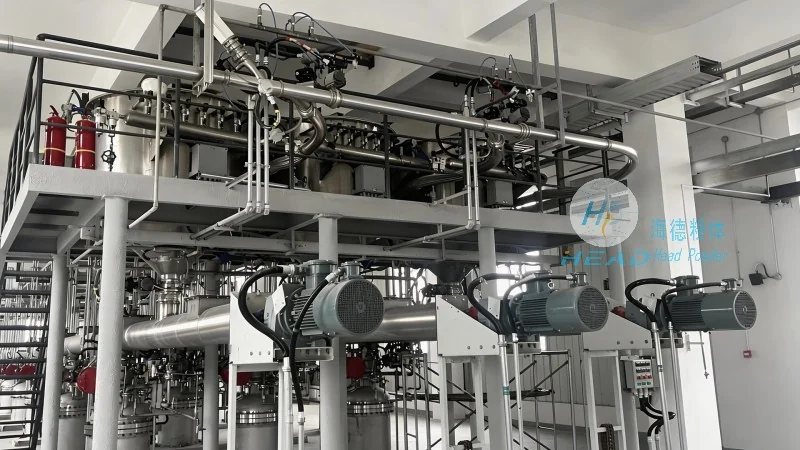
Applications of Silicon Carbide Pneumatic Conveying
The versatility of silicon carbide makes it a valuable material in numerous industries, and pneumatic conveying systems play a critical role in its processing and distribution. Here are some key applications where silicon carbide pneumatic conveying is utilized:
Abrasive Manufacturing
Silicon carbide is a primary component in the production of abrasive products such as grinding wheels, sandpaper, and polishing compounds. Pneumatic conveying systems are used to transport raw silicon carbide powders from storage silos to processing equipment, ensuring a consistent and controlled feed rate. This method helps maintain the material's quality and prevents contamination from other substances during transport.
Refractory Production
Refractory materials, which are used in high-temperature applications like furnaces and kilns, often incorporate silicon carbide as a key ingredient. Pneumatic conveying facilitates the transport of refractory powders and granules from mixing and blending units to the casting or molding processes. The ability to handle fine powders efficiently ensures that the refractory materials achieve the desired consistency and properties.
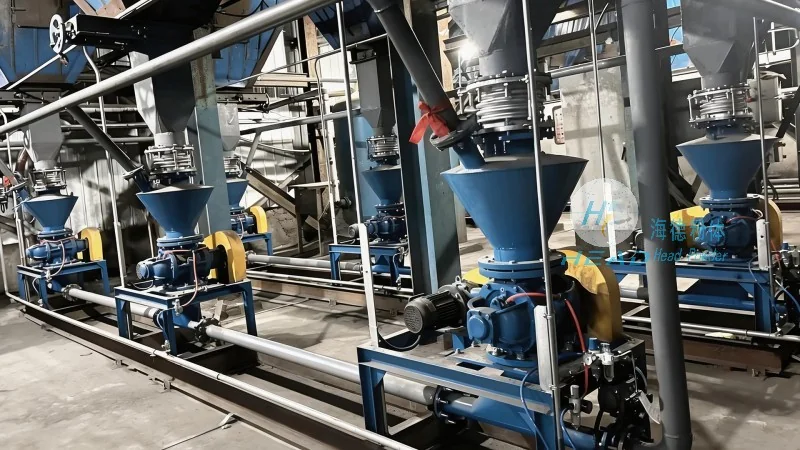
Semiconductor Manufacturing
In the semiconductor industry, silicon carbide is used in the production of high-power electronic devices and substrates. Pneumatic conveying systems are employed to transport silicon carbide powders to sintering furnaces or other processing equipment. The precision and control offered by pneumatic conveying are essential for maintaining the purity and uniformity of the material, which is critical for the performance of semiconductor components.
Industrial Processing and Handling
Beyond the specific industries mentioned, silicon carbide pneumatic conveying is also used in various industrial processes for material handling. This includes applications in chemical processing, where silicon carbide is used as a catalyst or additive, and in the food and pharmaceutical industries for specialized applications requiring high purity materials. The flexibility of pneumatic conveying allows it to adapt to different material characteristics and operational conditions, making it a reliable choice for diverse industrial needs.
Key Considerations for Implementing Silicon Carbide Pneumatic Conveying
When implementing a silicon carbide pneumatic conveying system, several factors must be considered to ensure optimal performance and longevity. These include the material's properties, such as particle size distribution, density, and moisture content, as well as the system's design and operational parameters. Proper system design involves selecting the appropriate type of pneumatic conveying (positive or negative pressure) based on the application requirements, ensuring that the pipeline dimensions, air velocity, and pressure levels are optimized for the specific material being handled.
Conclusion
Silicon carbide pneumatic conveying is a sophisticated and efficient method for transporting this high-performance material across various industrial applications. By understanding the classification of pneumatic conveying systems and their specific applications, industries can select the most suitable approach to handle silicon carbide, ensuring productivity, safety, and material integrity. As the demand for silicon carbide continues to grow in modern industries, the role of pneumatic conveying systems becomes increasingly vital in facilitating the material's processing and distribution.