

What is Iron Phosphate Pneumatic Conveying? Classification and Applications of Pneumatic Conveying
Iron phosphate, a key material in various industrial applications, often requires efficient and reliable material handling solutions. Pneumatic conveying is a widely used technology for transporting bulk materials like iron phosphate, offering advantages such as low maintenance, flexibility, and the ability to handle dusty or hazardous materials. This article explores the concept of iron phosphate pneumatic conveying, its classification, and practical applications, with insights from Shandong HeadPowder Engineering Co., Ltd., a leading provider in the field.
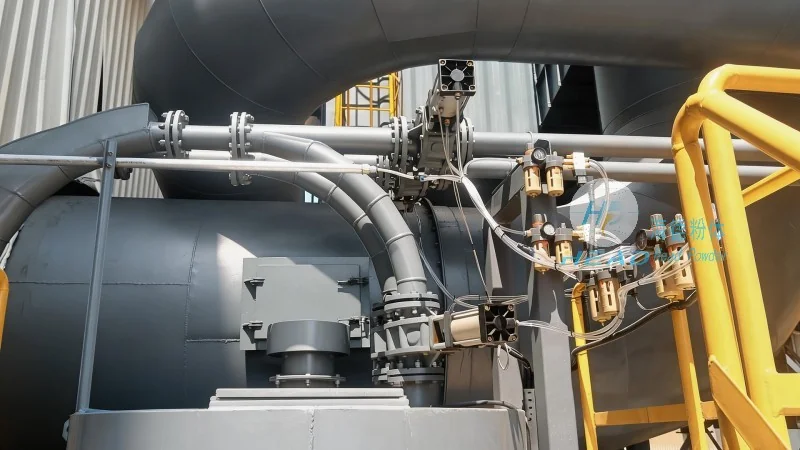
Understanding Pneumatic Conveying Systems
Pneumatic conveying systems utilize air or gas to transport bulk materials through a pipeline. These systems are categorized based on the direction of air flow and the pressure used. The two primary types are suction (or vacuum) conveying and pressure conveying. Suction systems operate at lower pressures, typically using a vacuum to draw material from a hopper or storage area into the pipeline. Pressure systems, on the other hand, use compressed air to push material through the system, often from a storage silo or hopper.
Key Components of Iron Phosphate Pneumatic Conveying
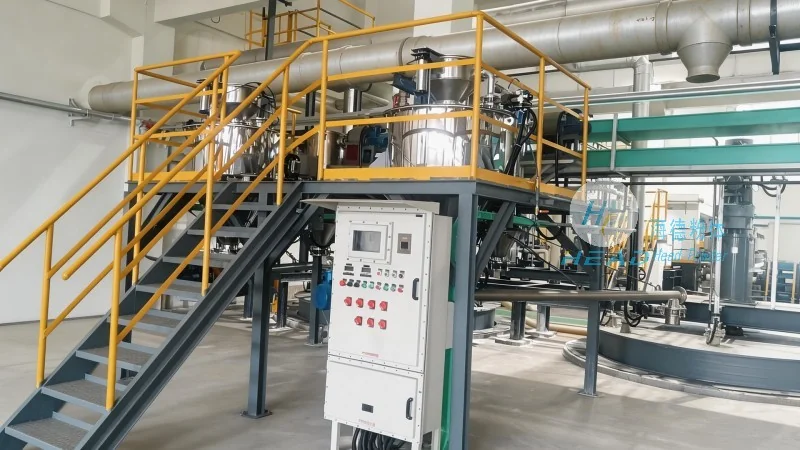
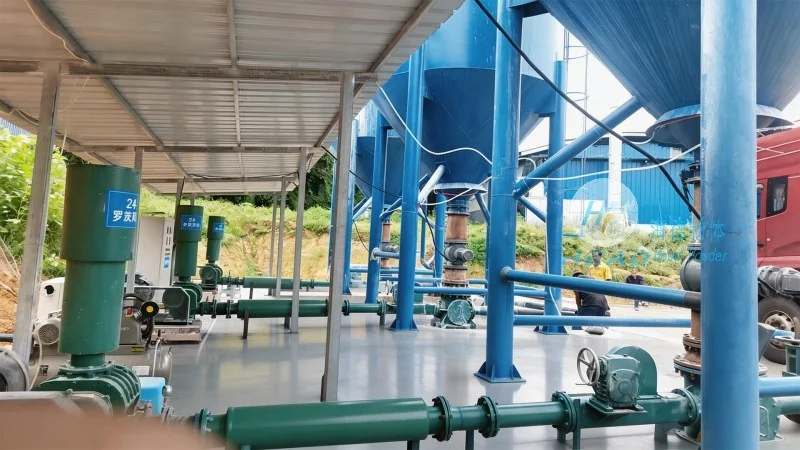
Effective iron phosphate pneumatic conveying systems consist of several critical components. These include the material feed hopper, which holds the iron phosphate and regulates the flow; the conveying line, which transports the material; the air supply system, which provides the necessary air or gas; and the control valves and regulators to manage pressure and flow. Additionally, filters and cyclones are often used to separate the material from the air stream, ensuring clean air is returned to the system and preventing material buildup in the pipeline.
Classification of Pneumatic Conveying Systems
Based on the operational principles and design, pneumatic conveying systems for iron phosphate can be classified into several types. The most common classifications are:
- Suction (Vacuum) Conveying: This system uses a vacuum to draw iron phosphate from a source, such as a storage bin or hopper. It is ideal for applications where the material needs to be transported over short distances or where the source is at a lower elevation than the destination. The system typically operates at low pressure, making it suitable for handling fine or dusty iron phosphate.
- Pressure Conveying: In contrast, pressure conveying systems use compressed air to push iron phosphate through the pipeline. This method is suitable for longer distances and higher material throughput. Pressure systems can handle a wider range of material sizes and can transport iron phosphate from a higher elevation to a lower one, making them versatile for various industrial settings.
- Combined (Vacuum and Pressure) Conveying: Some systems combine both suction and pressure modes to optimize material handling. For example, a suction system might be used to collect iron phosphate from a hopper, and then a pressure system transports it to the processing plant. This hybrid approach allows for efficient material transfer over varying distances and elevations.
Applications of Iron Phosphate Pneumatic Conveying
Iron phosphate pneumatic conveying is widely used in various industries due to its efficiency and adaptability. Some common applications include:
- Pharmaceutical and Chemical Industries: Iron phosphate is used as a raw material in the production of pharmaceuticals and chemicals. Pneumatic conveying ensures that the material is transported safely and hygienically, minimizing contamination and maintaining product quality.
- Food Processing: In the food industry, iron phosphate is used as a food additive or in the production of certain food products. Pneumatic conveying systems are used to transport iron phosphate from storage to processing lines, ensuring a clean and efficient process.
- Construction Materials: Iron phosphate is used in the production of concrete additives and other construction materials. Pneumatic conveying helps in transporting these materials to construction sites or processing facilities, improving operational efficiency.
- Industrial Manufacturing: Many manufacturing processes require iron phosphate as an ingredient. Pneumatic conveying systems are used to transport iron phosphate from raw material storage to production lines, ensuring a continuous and reliable supply.
Advantages of Using Pneumatic Conveying for Iron Phosphate
There are several advantages to using pneumatic conveying systems for iron phosphate. These include:
- Low Maintenance: Pneumatic systems have fewer moving parts compared to mechanical conveying systems, reducing the need for frequent maintenance and repairs.
- Flexibility: Pneumatic conveying systems can be easily reconfigured to handle different materials or to change the direction of material flow, making them adaptable to changing production needs.
- Safety: These systems can handle dusty or hazardous materials, such as iron phosphate, without the risk of dust explosions or material spillage.
- Cost-Effective: Over time, pneumatic conveying can be more cost-effective due to lower labor and maintenance costs compared to traditional methods like truck or conveyor belt transport.
Shandong HeadPowder Engineering Co., Ltd. and Pneumatic Conveying Solutions
Shandong HeadPowder Engineering Co., Ltd., headquartered in Shandong, China, is a leading provider of pneumatic conveying solutions for various industrial applications. The company specializes in designing, manufacturing, and installing custom pneumatic conveying systems tailored to the specific needs of clients, including those working with iron phosphate. With years of experience in the industry, HeadPowder has developed expertise in handling challenging materials like iron phosphate, ensuring efficient and reliable material transport. The company's commitment to quality and customer satisfaction has made it a trusted partner for businesses seeking advanced material handling solutions.