

What is Polyurethane Pneumatic Conveying? Classification and Applications of Pneumatic Conveying Sys
HeadPowder, a leading manufacturer based in Shandong, China, specializes in the design, production, and application of advanced pneumatic conveying systems. This article explores the fundamentals of polyurethane pneumatic conveying, its classification, and practical applications in various industries.
Understanding Polyurethane Pneumatic Conveying
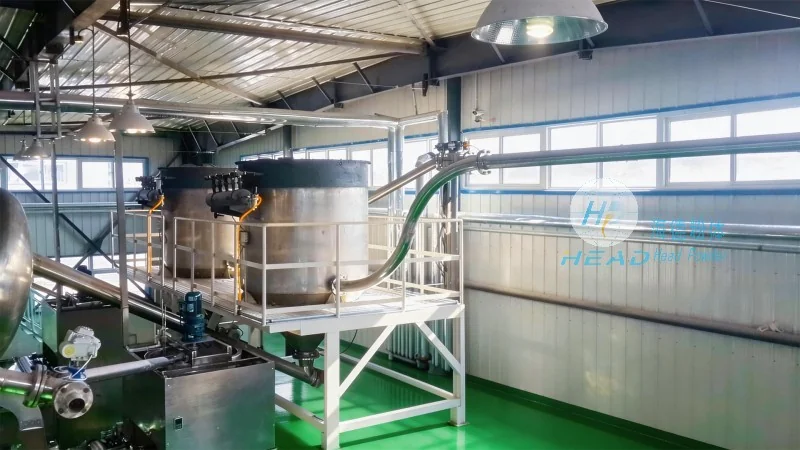
Polyurethane pneumatic conveying is a method of transporting bulk materials through a pipeline using air or other gases as the conveying medium. Unlike traditional mechanical conveying systems, which rely on belts, screws, or buckets, pneumatic systems utilize the force of moving air to move materials. The use of polyurethane components, such as hoses, ducts, and valves, provides exceptional durability and resistance to abrasion, making it ideal for handling abrasive or corrosive materials. This technology is widely adopted in industries like pharmaceuticals, food processing, and chemical manufacturing due to its hygienic and efficient nature.
Classification of Pneumatic Conveying Systems
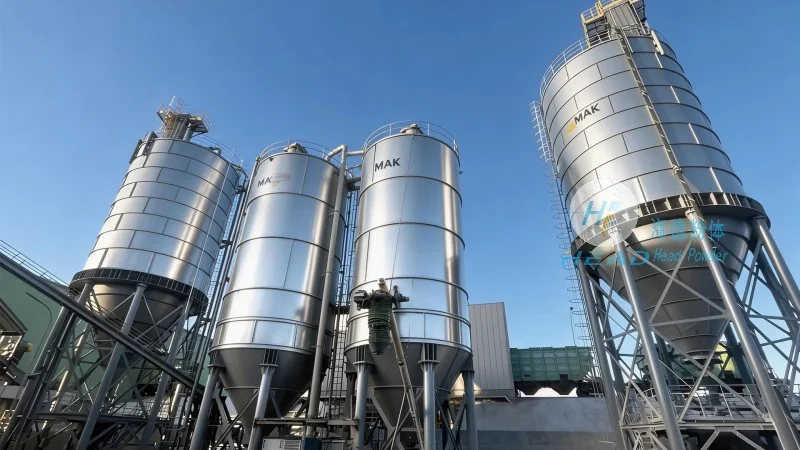
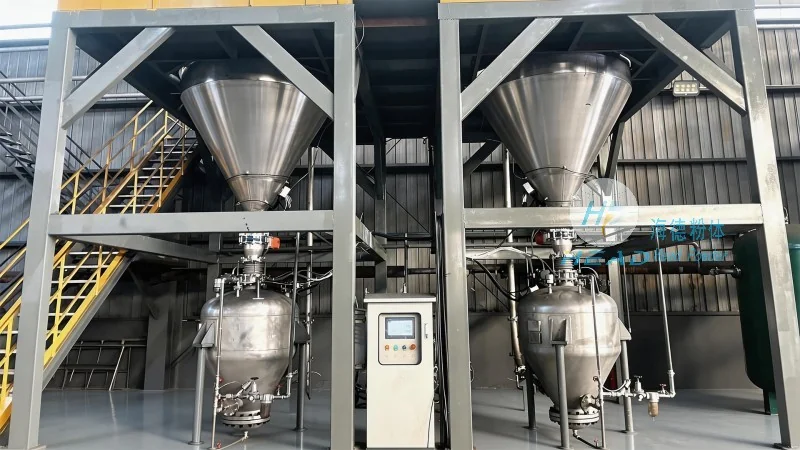
Pneumatic conveying systems are typically classified based on the pressure used to move materials. The two main categories are pressure and vacuum systems. Pressure systems operate by forcing air or gas into the material stream, creating a positive pressure that propels the material through the pipeline. These systems are suitable for long-distance and high-volume transport. Vacuum systems, on the other hand, use a vacuum to draw materials into the pipeline, making them ideal for short-distance or low-volume applications. Within these categories, there are further subtypes, including dilute-phase and dense-phase systems. Dilute-phase systems use low air-to-material ratios, resulting in faster transport but higher energy consumption. Dense-phase systems, conversely, use higher material concentrations, leading to more controlled and gentle material handling, which is crucial for delicate or sensitive products.
Applications of Pneumatic Conveying Systems
The versatility of pneumatic conveying systems makes them applicable across a wide range of industries. In the pharmaceutical industry, polyurethane pneumatic conveying is used to transport active pharmaceutical ingredients (APIs) and other powders with strict hygiene requirements. The non-stick and easy-to-clean properties of polyurethane components ensure compliance with regulatory standards. In the food processing sector, these systems are employed to handle powders like flour, sugar, and spices, maintaining product purity and preventing contamination. The chemical industry also benefits from polyurethane pneumatic conveying, as it can handle corrosive and abrasive chemicals without degradation. Additionally, in the mining and construction industries, these systems are used to transport raw materials like coal, sand, and cement, improving operational efficiency and reducing labor costs.
Advantages of Polyurethane in Pneumatic Conveying
One of the key advantages of using polyurethane in pneumatic conveying systems is its superior abrasion resistance. Polyurethane hoses and ducts can withstand continuous contact with abrasive materials, extending their service life compared to traditional rubber or metal components. This durability reduces maintenance costs and downtime for industrial operations. Furthermore, polyurethane is chemically resistant to many acids, bases, and solvents, making it suitable for handling a variety of chemical substances. The material's flexibility also allows for easy installation in complex layouts, adapting to the spatial constraints of different facilities. These properties collectively contribute to the efficiency and reliability of polyurethane pneumatic conveying systems.
Conclusion
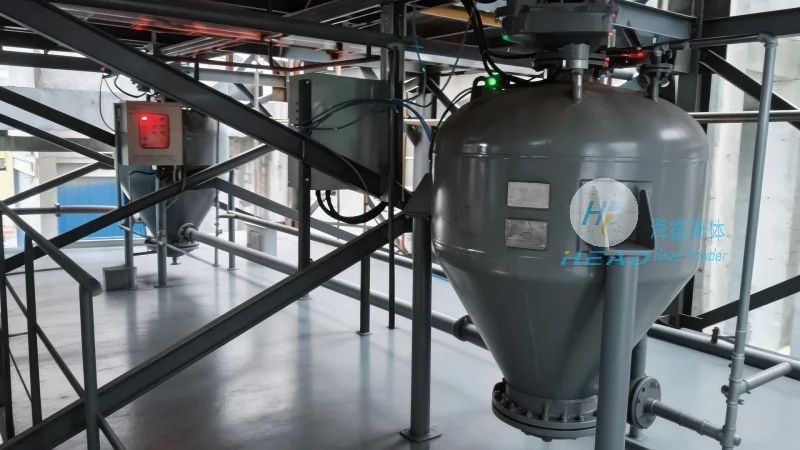
HeadPowder, with its expertise in polyurethane pneumatic conveying systems, offers tailored solutions for various industrial needs. By leveraging the durability and versatility of polyurethane components, these systems provide efficient, hygienic, and cost-effective material transport solutions. Whether for pharmaceutical, food, chemical, or industrial applications, the classification and application of pneumatic conveying systems continue to evolve, with polyurethane technology playing a pivotal role in enhancing operational performance and product quality.