

What is Stone Powder Particle Pneumatic Conveying, Classification and Applications of Pneumatic Conv
For industries dealing with bulk materials like stone powder, efficient material handling is crucial for operational efficiency and cost management. Pneumatic conveying, a technology that uses air to transport solid particles, offers a solution that minimizes dust, reduces labor costs, and enhances safety compared to traditional methods such as belt conveyors or bucket elevators. This article explores the concept of stone powder particle pneumatic conveying, delves into the classification of pneumatic conveying systems, and highlights their practical applications in various industrial settings.
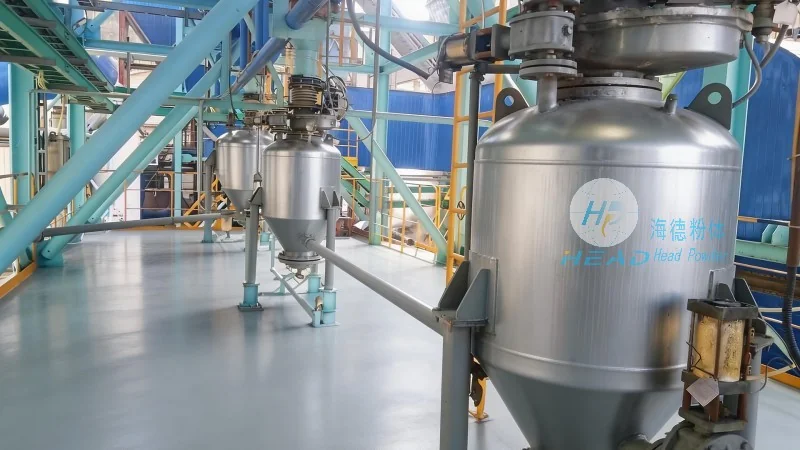
About HeadPowder: Your Expert in Pneumatic Conveying Solutions
HeadPowder, a leading manufacturer based in Shandong, China, specializes in providing tailored pneumatic conveying systems for diverse material handling needs. With years of experience in the industry, HeadPowder has established itself as a reliable partner for businesses seeking efficient and reliable solutions for transporting stone powders and other fine materials. The company’s commitment to quality, innovation, and customer satisfaction makes it a trusted name in the field of bulk material handling.
Understanding Pneumatic Conveying: The Basics
Pneumatic conveying systems operate by transporting solid particles through a pipeline using a stream of air. The process can be categorized into two main types: dilute-phase and dense-phase conveying. Dilute-phase systems, also known as low-pressure or high-velocity systems, use high air velocities to keep particles suspended in the air stream, making them suitable for short-distance and low-capacity applications. Dense-phase systems, on the other hand, operate at lower air velocities and higher pressure, allowing particles to be transported in a more compact form, which is ideal for longer distances and higher capacities.
Stone Powder Particle Pneumatic Conveying: Key Characteristics
Stone powder, typically composed of fine particles derived from crushed stone or minerals, presents unique challenges in material handling due to its abrasive nature and tendency to create dust. Pneumatic conveying systems designed for stone powder must address these challenges effectively. Key characteristics of stone powder particle pneumatic conveying include the ability to handle abrasive materials without excessive wear on equipment, the reduction of dust generation through enclosed systems, and the maintenance of material integrity during transport. These features make pneumatic conveying an ideal choice for industries such as construction, mining, and chemical processing, where stone powder is a critical raw material.
Classification of Pneumatic Conveying Systems
Pneumatic conveying systems are classified based on several factors, including the pressure of the air stream, the velocity of the air, and the method of particle transport. The primary classifications are:
1. Dilute-Phase Pneumatic Conveying: As mentioned earlier, this system uses high air velocities to keep particles suspended. It is suitable for short to medium distances and low to medium capacities. The system operates at low to moderate pressures, typically ranging from 0.5 to 2 bar. Dilute-phase systems are commonly used for transporting powders and granules in food, pharmaceutical, and chemical industries.
2. Dense-Phase Pneumatic Conveying: This system operates at higher pressures and lower air velocities, allowing particles to be transported in a more compact form. It is ideal for longer distances and higher capacities, as it minimizes particle degradation and reduces the risk of blockages. Dense-phase systems are often used in applications where material quality is critical, such as in the transportation of cement, coal, and other bulk materials.
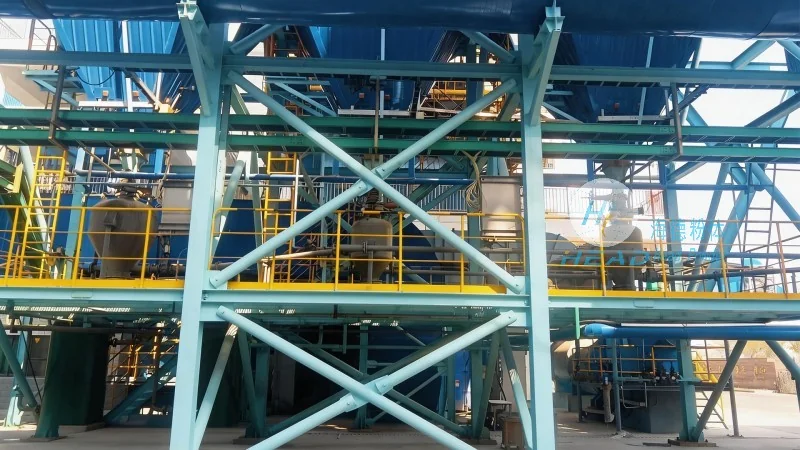
3. Pressure-Driven Pneumatic Conveying: This type of system uses compressed air to push the material through the pipeline. It is suitable for short to medium distances and is commonly used in applications where the material is to be deposited at a specific location. Pressure-driven systems are often used in industrial settings where the material needs to be transported from a storage silo to a processing unit.
4. Vacuum-Driven Pneumatic Conveying: This system uses a vacuum to draw the material into the pipeline. It is suitable for long-distance and high-capacity applications, as it can transport materials over several hundred meters. Vacuum-driven systems are commonly used in applications where the material needs to be collected from multiple sources and transported to a central location.
Applications of Pneumatic Conveying in Stone Powder Handling
The versatility of pneumatic conveying systems makes them suitable for a wide range of applications in stone powder handling. Some of the key applications include:
1. Raw Material Transport: In the construction and mining industries, stone powder is often used as a raw material for cement production, concrete mixing, and road construction. Pneumatic conveying systems can efficiently transport stone powder from storage silos to processing units, ensuring a continuous supply of raw materials.
2. Waste Material Handling: In industrial settings, stone powder may be generated as a byproduct of crushing and grinding operations. Pneumatic conveying systems can be used to collect and transport this waste material to disposal sites or recycling facilities, reducing the need for manual handling and minimizing environmental impact.
3. Product Distribution: In the chemical and pharmaceutical industries, stone powder may be used as an additive or filler in various products. Pneumatic conveying systems can be used to distribute stone powder to different production lines or storage areas, ensuring consistent quality and reducing the risk of contamination.
4. Bulk Material Storage: Pneumatic conveying systems can be integrated with storage silos to facilitate the loading and unloading of stone powder. This allows for efficient inventory management and reduces the need for manual handling of bulk materials.
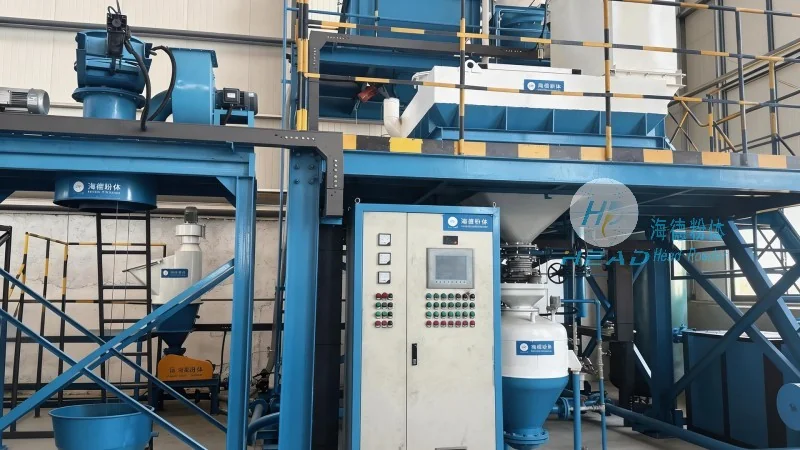
Benefits of Using Pneumatic Conveying for Stone Powder
Implementing pneumatic conveying systems for stone powder handling offers several benefits, including:
1. Reduced Labor Costs: Pneumatic conveying systems automate the material handling process, reducing the need for manual labor and minimizing labor costs. This is particularly beneficial for industries that handle large volumes of stone powder.
2. Improved Safety: Enclosed pneumatic conveying systems reduce dust exposure and minimize the risk of accidents caused by manual handling of bulk materials. This enhances workplace safety and compliance with occupational health and safety regulations.
3. Enhanced Material Quality: Pneumatic conveying systems maintain the integrity of stone powder particles, preventing degradation and ensuring consistent quality. This is crucial for industries where material quality directly impacts product performance.
4. Increased Efficiency: Pneumatic conveying systems can transport stone powder over long distances and at high capacities, improving operational efficiency and reducing downtime. This leads to increased productivity and reduced production costs.
Conclusion: Choosing the Right Pneumatic Conveying System for Stone Powder
Choosing the right pneumatic conveying system for stone powder handling is critical to achieving optimal performance and cost-effectiveness. The selection of a system depends on several factors, including the distance of transport, the capacity required, the nature of the material, and the specific application. By understanding the different classifications of pneumatic conveying systems and their benefits, businesses can make informed decisions that enhance their material handling operations. HeadPowder, with its expertise and tailored solutions, can assist businesses in selecting and implementing the most suitable pneumatic conveying system for their stone powder handling needs.