

What is Dust Air Conveying, Classification and Applications of Pneumatic Conveying
HeadPowder, a leading provider in the field of material handling solutions, specializes in pneumatic conveying systems for dust and powder materials. Based in Shandong, China, the company offers comprehensive engineering services and advanced equipment tailored to meet diverse industrial needs. This article explores the fundamentals of dust air conveying, the various classifications of pneumatic conveying systems, and their practical applications in different industries.
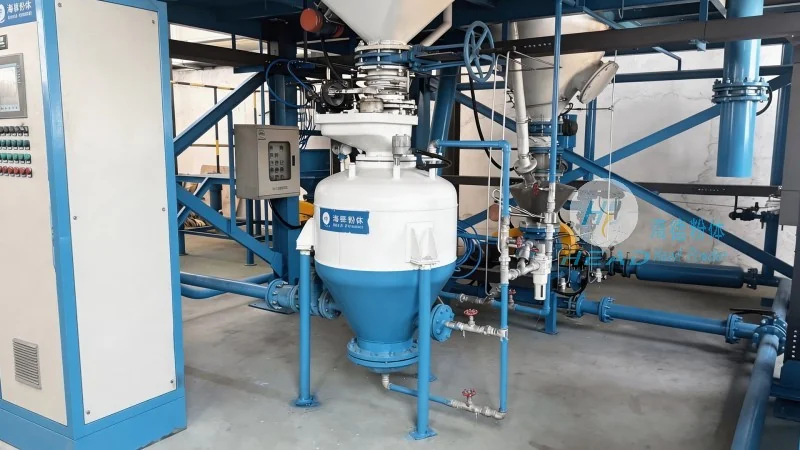
Understanding Dust Air Conveying: The Basics
Dust air conveying, also known as pneumatic conveying, is a method of transporting bulk materials such as powders, granules, and fine particles using a stream of air. This technology is widely used in industries like pharmaceuticals, food processing, chemical manufacturing, and mining, where the safe and efficient transfer of dry materials is critical. The core principle involves creating a pressure differential between the material source and the destination, allowing the material to be carried by the air flow through a pipeline network. Unlike mechanical conveying systems (e.g., screw conveyors or belt conveyors), pneumatic conveying offers advantages such as flexibility in layout, ability to handle abrasive or corrosive materials, and reduced risk of contamination.
Classification of Pneumatic Conveying Systems
Pneumatic conveying systems are typically classified into two main categories: aspiration (or suction) systems and pressure (or blow) systems. Each type has distinct characteristics and is suitable for different operational requirements.
1. **Aspiration (Suction) Systems**: These systems operate under negative pressure, drawing material from a source (like a hopper or silo) into a pipeline using a vacuum pump. The material is then transported to a destination, often a processing unit or storage area. Aspiration systems are ideal for applications where the material is to be moved from a lower elevation or where the source is located at a distance from the processing plant. They are commonly used in industries that require gentle handling of sensitive materials, such as pharmaceuticals or food products, to prevent degradation or contamination.
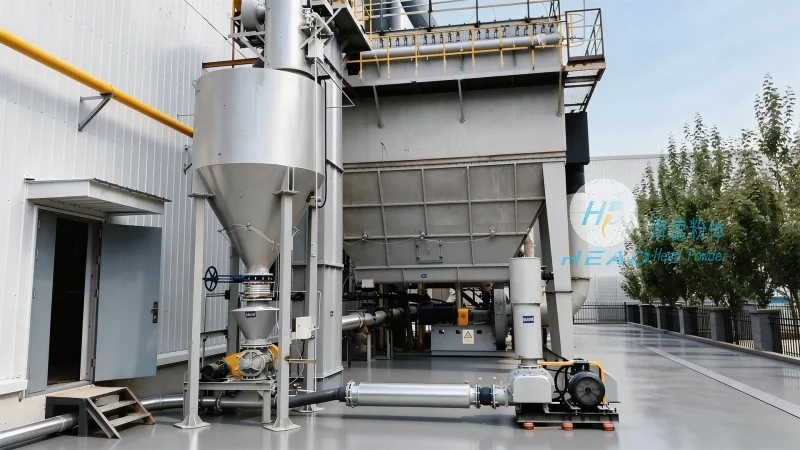
2. **Pressure (Blow) Systems**: In contrast, pressure systems operate under positive pressure, using a blower or compressor to push material through the pipeline. The material is fed from a hopper or storage bin into the pipeline, and the air flow propels it to the destination. Pressure systems are generally more suitable for applications involving longer distances or higher material throughput, as they can maintain consistent flow rates and handle larger quantities of material. They are widely used in chemical and mineral processing industries where high-volume material transport is required.
Additionally, there are hybrid systems that combine elements of both aspiration and pressure, offering flexibility in handling different material types and operational scenarios. These systems may include a combination of vacuum and pressure zones to optimize material transport efficiency.
Applications of Pneumatic Conveying in Industrial Settings
The versatility of pneumatic conveying makes it applicable across a wide range of industries. In the pharmaceutical industry, for example, dust air conveying is used to transport active pharmaceutical ingredients (APIs) and excipients with high precision and minimal risk of cross-contamination. The closed system design ensures that the materials remain sterile and free from external contaminants, which is crucial for maintaining product quality and regulatory compliance.
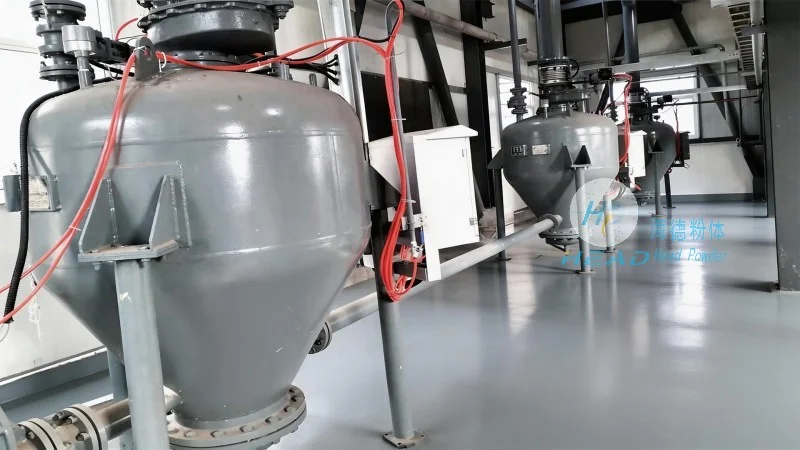
In the food processing sector, pneumatic conveying is employed to handle powders like flour, sugar, and spices. The technology allows for gentle handling of these materials, preventing clumping or degradation, and maintaining their nutritional and sensory properties. The closed pipeline system also helps in maintaining hygiene standards, which is essential in food manufacturing environments.
In chemical manufacturing, pneumatic conveying is used to transport various chemicals, including powders and granules. The ability to handle abrasive or corrosive materials makes this system suitable for applications where mechanical conveyors might wear out quickly or fail due to chemical reactions. The closed system design also minimizes the risk of chemical exposure to operators and the environment.
In the mining and mineral processing industry, pneumatic conveying is used to transport raw materials such as ores, coal, and minerals from storage facilities to processing plants. The system can handle large volumes of material over long distances, improving operational efficiency and reducing the need for multiple transfer points. The flexibility of the pipeline layout also allows for easy integration with existing mining infrastructure.