

What is Powder Pneumatic Conveying, Classification and Applications of Pneumatic Conveying
HeadPowder, a leading provider of pneumatic conveying solutions, offers comprehensive insights into powder pneumatic conveying systems. This article explores the fundamental principles, classification methods, and practical applications of pneumatic conveying technology, with a focus on the expertise and services provided by Shandong HeadPowder Engineering Co., Ltd., based in Shandong, China.
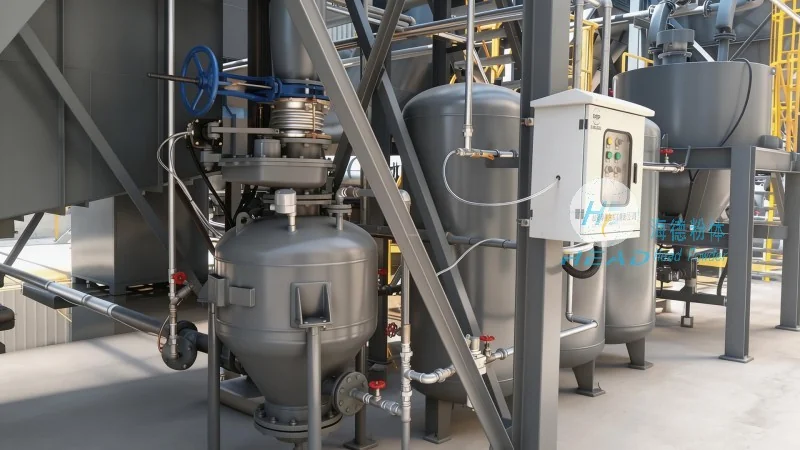
Understanding Powder Pneumatic Conveying
Powder pneumatic conveying, also known as pneumatic transport, is a method of transporting bulk solid materials, particularly powders and granules, through a pipeline using a gas stream, typically air or other gases. This technology eliminates the need for mechanical components like conveyors, buckets, or belts, making it ideal for handling materials that are difficult to transport via traditional methods. The process involves creating a pressure differential or using vacuum to move the material through the pipeline, ensuring efficient and safe material transfer. HeadPowder specializes in designing and implementing these systems to meet the specific needs of various industries.
Classification of Pneumatic Conveying Systems
Pneumatic conveying systems are broadly classified into two main categories: pressure and vacuum systems. Each type has distinct characteristics and is suitable for different operational requirements.
Pressure Conveying Systems
Pressure conveying systems operate by forcing air or gas under pressure into the material to be conveyed. This method is commonly used for short to medium distance transport and is particularly effective for handling materials that are prone to caking or agglomeration. The system typically includes a positive displacement blower or compressor, a material feed hopper, and a pipeline network. The high-pressure air pushes the material through the pipeline, ensuring consistent flow and preventing blockages. HeadPowder engineers design pressure systems with robust components to handle high-pressure conditions and ensure reliable operation in industrial settings.
Vacuum Conveying Systems
Vacuum conveying systems, on the other hand, use a vacuum to draw material from a source into the pipeline. This method is ideal for long-distance transport and for materials that need to be handled gently to avoid degradation. The system includes a vacuum pump, a material feed point, and a collection hopper. The vacuum creates a pressure differential that pulls the material through the pipeline, allowing for efficient and low-maintenance operation. HeadPowder's vacuum systems are designed to handle a wide range of materials, from fine powders to bulk granules, with minimal product degradation.
Applications of Pneumatic Conveying in Various Industries
Pneumatic conveying technology finds extensive applications across multiple industries due to its versatility and efficiency. The following are some key applications where HeadPowder's systems are utilized:
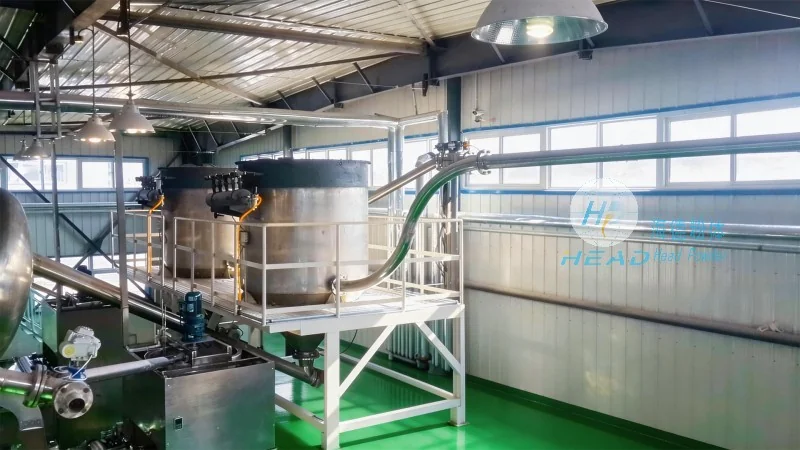
Chemical Industry
In the chemical industry, pneumatic conveying is used to transport raw materials, intermediates, and finished products. The systems are designed to handle corrosive or hazardous materials, ensuring safety and compliance with industry regulations. HeadPowder's solutions are tailored to meet the specific chemical processing requirements, including temperature control and material compatibility. For example, in pharmaceutical production, the systems are used to transport active pharmaceutical ingredients (APIs) and excipients with high precision and minimal contamination.
Food and Beverage Industry
The food and beverage industry relies on pneumatic conveying for handling powders such as flour, sugar, and spices. The systems are designed to maintain strict hygiene standards, with components made from food-grade materials and easy-to-clean designs. HeadPowder ensures that the conveying systems are compliant with food safety regulations, such as those from the FDA and EU. The technology allows for efficient and sanitary transfer of food products, reducing the risk of cross-contamination and product spoilage.
Pharmaceutical Industry
Pharmaceutical applications require the highest level of purity and contamination control. Pneumatic conveying systems are used to transport active pharmaceutical ingredients (APIs), excipients, and other raw materials with minimal risk of contamination. HeadPowder's systems are designed with sterile and aseptic features, including HEPA filters and stainless steel components, to ensure product integrity. The systems are also equipped with monitoring and control features to maintain consistent quality throughout the conveying process.
Mineral and Mining Industry
In the mineral and mining sector, pneumatic conveying is used to transport bulk materials like ores, minerals, and coal. The systems are built to withstand harsh operating conditions, including high temperatures and abrasive materials. HeadPowder's solutions are engineered for durability and reliability, with components designed to handle the toughest materials and environmental conditions. The technology allows for efficient transport of large quantities of material over long distances, reducing the need for traditional trucking and conveyor systems.
Advantages of Pneumatic Conveying Systems
Compared to traditional mechanical conveying methods, pneumatic conveying offers several advantages that make it a preferred choice for many industries. These include:
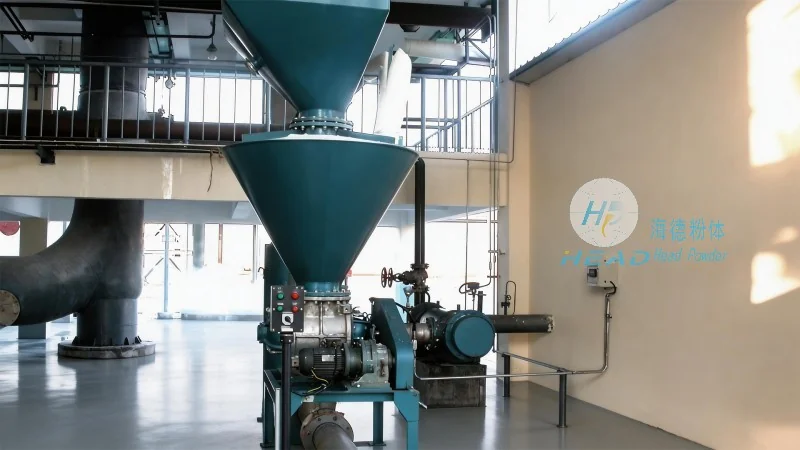
Efficiency and Speed
Pneumatic systems can transport materials at high speeds and over long distances, significantly reducing transit times compared to mechanical conveyors. This efficiency is particularly beneficial in industries where time-sensitive material handling is critical.
Low Maintenance and Cost-Effective
With fewer moving parts and no mechanical components, pneumatic systems require less maintenance and have lower operational costs. The absence of belts, chains, or rollers reduces the risk of wear and tear, leading to longer system lifespans and lower maintenance expenses.
Flexibility and Versatility
Pneumatic conveying systems can be easily adapted to handle a wide range of materials, from fine powders to bulk granules. The systems can also be configured for different operational needs, such as pressure or vacuum conveying, making them versatile for various applications.
Safety and Hygiene
For industries that require strict safety and hygiene standards, pneumatic systems offer enclosed and sealed pipelines, preventing dust emissions and product contamination. This is particularly important in food, pharmaceutical, and chemical industries where product purity and worker safety are paramount.
Conclusion
Powder pneumatic conveying is a versatile and efficient method for transporting bulk solid materials, with applications spanning multiple industries. HeadPowder, as a leading provider of pneumatic conveying solutions, leverages its expertise to design and implement systems that meet the specific needs of clients. With a focus on quality, safety, and efficiency, HeadPowder's systems ensure reliable material transfer while adhering to industry standards. Based in Shandong, China, HeadPowder continues to provide innovative solutions for pneumatic conveying, supporting the growth and success of its clients in various sectors.