

Role of Pneumatic Conveying in Fly Ash Particle Transport
For industrial applications involving the handling of bulk materials, the selection of an efficient material transport system is crucial. Among the various methods available, pneumatic conveying stands out as a versatile and effective solution, particularly when dealing with fine particles such as fly ash. This article explores the role of pneumatic conveying in the transport of fly ash particles, highlighting its benefits, operational principles, and practical applications in industrial settings.
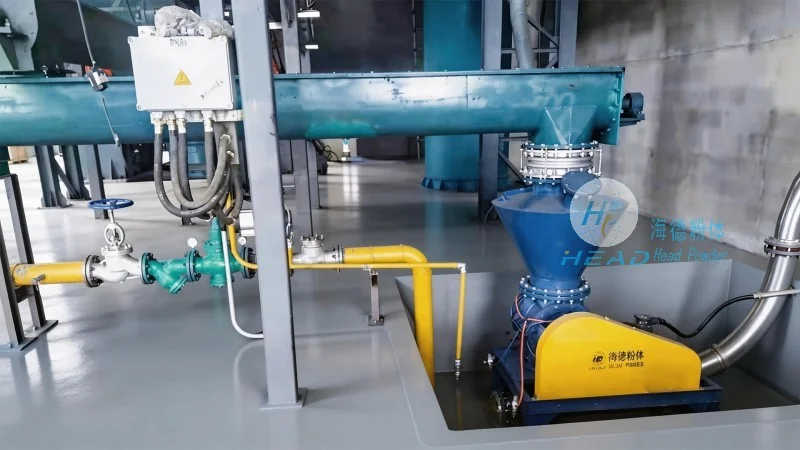
Pneumatic Conveying: An Overview
Pneumatic conveying is a technology that uses compressed air or other gases to transport solid materials through a pipeline. It operates by creating a pressure differential that propels the material from the source to the destination. Unlike mechanical conveying systems, which rely on mechanical components like belts or screws, pneumatic conveying offers advantages such as low maintenance, minimal material degradation, and the ability to handle a wide range of particle sizes and densities. These characteristics make it an ideal choice for transporting fly ash, a byproduct of coal combustion, which is often characterized by its fine, powdery nature.
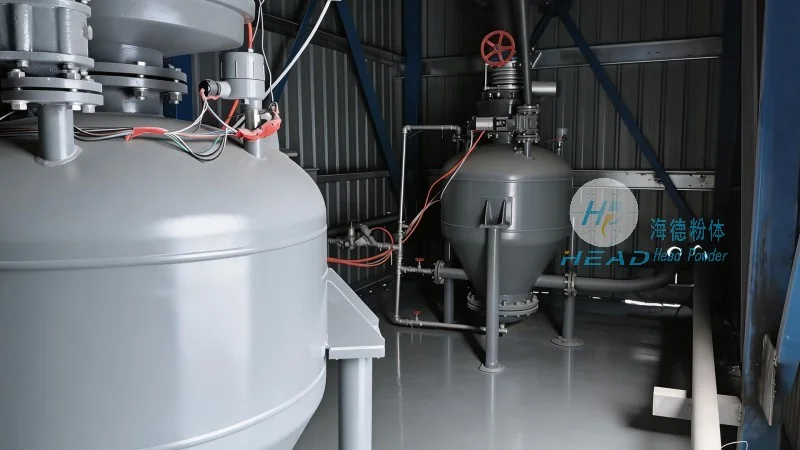
Key Benefits of Pneumatic Conveying for Fly Ash Transport
When transporting fly ash particles, pneumatic conveying systems provide several key benefits that enhance operational efficiency and material integrity. First, the system minimizes the risk of material degradation, as the particles are not subjected to mechanical friction or impact that can occur in other conveying methods. This is particularly important for fly ash, which is often used in construction applications where the particle size and composition must be preserved. Second, pneumatic conveying allows for a more compact and flexible layout, as the pipeline can be installed in various configurations without the need for complex machinery or extensive infrastructure. This flexibility is advantageous in industrial plants where space is limited or where the layout needs to be adjusted frequently. Third, the system offers better control over the material flow rate and pressure, enabling precise regulation of the conveying process. This control is essential for maintaining consistent material delivery and preventing overloading or underloading of downstream equipment. Additionally, pneumatic conveying systems are generally more hygienic and easier to clean compared to other bulk material handling methods, which is a critical consideration for industries dealing with materials that may be subject to regulatory standards.
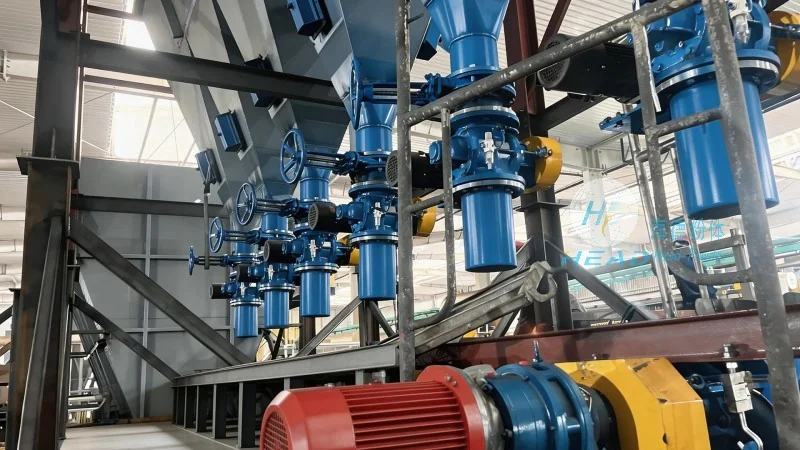
Operational Principles of Pneumatic Conveying Systems
The operation of a pneumatic conveying system for fly ash transport typically involves several key components. The system starts with a material hopper or feeder that stores the fly ash and feeds it into the conveying line. A blower or compressor then generates the necessary air pressure to move the material through the pipeline. The air and material mixture travels through the pipeline to a receiver or destination vessel, where the material is separated from the air using a cyclone or other separation equipment. The separated air is then either vented to the atmosphere or recirculated back into the system to improve energy efficiency. The design of the system, including the size of the pipeline, the type of blower, and the placement of the separation equipment, is critical to ensure optimal performance and minimize energy consumption. Proper sizing of the components is essential to avoid excessive pressure drops or energy waste, which can significantly impact the overall efficiency of the system.