

Role of Pneumatic Conveying in Cement and Aggregate Material Handling
For industrial operations involving the transport of bulk materials like cement and aggregates, the choice of conveying system is critical to efficiency, safety, and cost-effectiveness. Pneumatic conveying stands out as a versatile and efficient method that addresses many of the challenges associated with traditional bulk material handling. This article explores the key role of pneumatic conveying systems in the cement and aggregate industries, highlighting how they enhance operational performance and contribute to overall process optimization.
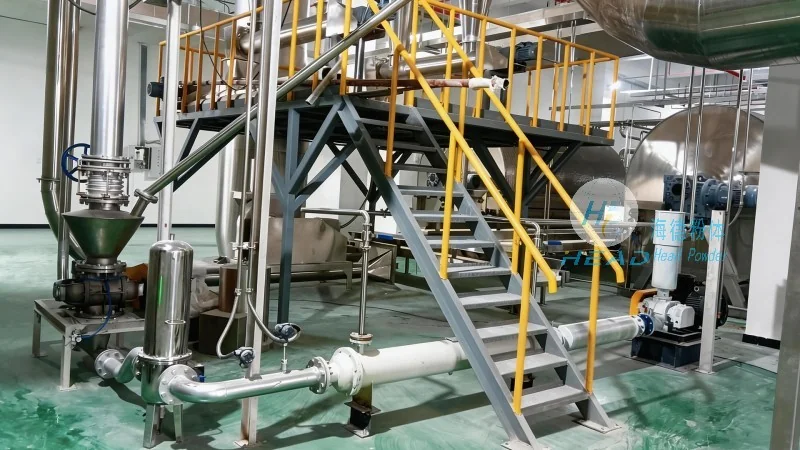
Understanding Pneumatic Conveying Technology
Pneumatic conveying uses compressed air or other gases to transport bulk materials through a pipeline system. Unlike mechanical systems such as belt conveyors or screw conveyors, pneumatic conveyors do not rely on physical contact with the material, which reduces wear and tear on equipment and minimizes the risk of material contamination. The technology can be categorized into two main types: dilute-phase and dense-phase systems. Dilute-phase systems are typically used for short-distance transport and low to medium material loads, while dense-phase systems are preferred for longer distances and higher material concentrations.
Key Advantages of Pneumatic Conveying for Cement and Aggregate Handling
When applied to cement and aggregate handling, pneumatic conveying offers several distinct advantages. First, it provides a dust-free and enclosed transport environment, which is essential for maintaining air quality and protecting workers from respiratory hazards associated with cement dust. This is particularly important in compliance with environmental regulations and occupational health standards. Second, the system allows for flexible and modular installation, enabling easy integration into existing production lines or new facility setups. This adaptability reduces downtime during system modifications or expansions.
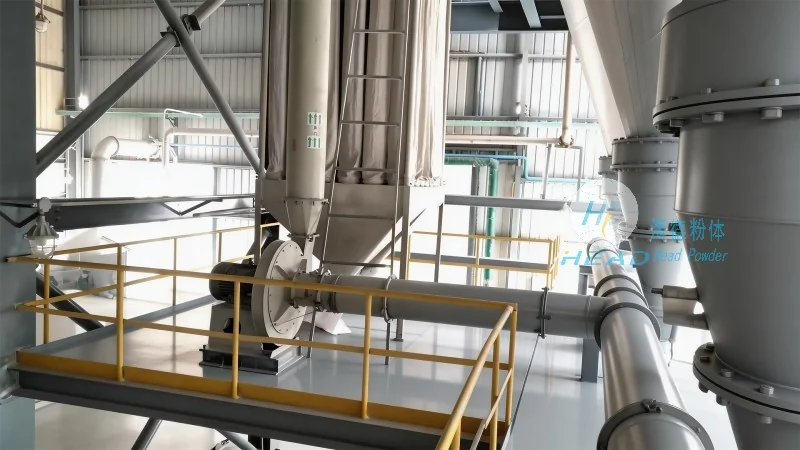
Third, pneumatic conveying systems are highly efficient in terms of energy consumption and material throughput. By optimizing air pressure and flow rates, operators can achieve consistent material delivery rates, minimizing bottlenecks and improving overall production output. Additionally, the enclosed nature of the system reduces material loss and spillage, leading to cost savings and better inventory management. For companies like Shandong HeadPowder Engineering Co., Ltd., these advantages translate into improved operational reliability and competitive edge in the market.
Applications in Cement Production and Processing
In the cement industry, pneumatic conveying is widely used for transporting raw materials such as limestone, clay, and iron ore from storage silos to the grinding mills. The ability to handle fine powders and abrasive materials without damage to the conveying equipment makes it ideal for these applications. Similarly, in aggregate processing plants, pneumatic conveyors are used to move crushed stone, sand, and other aggregates between different processing stages, such as screening, washing, and storage. The system's ability to handle varying material sizes and moisture content ensures consistent quality of the final products.
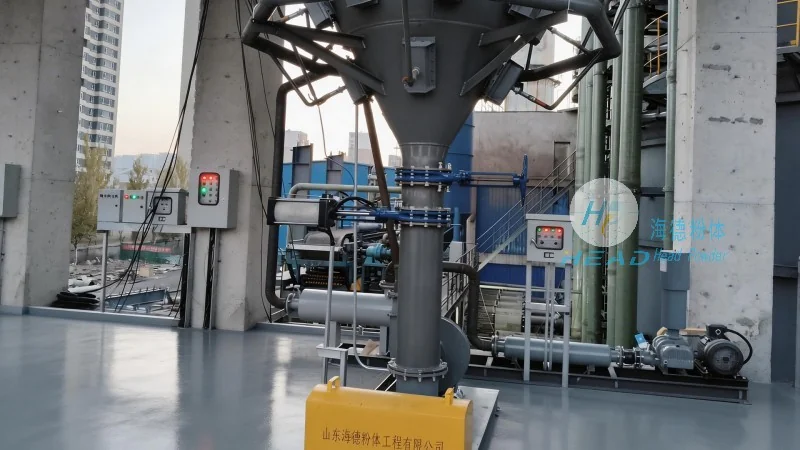
Addressing Challenges with Advanced Pneumatic Solutions
While pneumatic conveying offers numerous benefits, it also presents challenges such as system maintenance, pressure drop management, and material buildup in pipelines. Modern solutions from companies like HeadPowder address these issues through advanced designs, including self-cleaning pipelines, variable frequency drives for air flow control, and intelligent monitoring systems. These innovations ensure that the conveying system operates at peak efficiency, reducing downtime and maintenance costs. For example, the use of high-quality materials in pipeline construction and the implementation of regular maintenance schedules help prevent clogging and ensure long-term reliability.
Conclusion and Future Outlook
As the demand for efficient and sustainable material handling solutions grows, pneumatic conveying continues to play a vital role in the cement and aggregate industries. The technology's ability to enhance operational efficiency, improve safety, and reduce environmental impact makes it a preferred choice for many companies. With ongoing advancements in system design and control technology, the future of pneumatic conveying looks promising, with even more sophisticated solutions expected to emerge. For businesses looking to optimize their material handling processes, investing in a well-designed pneumatic conveying system is a strategic move that can yield significant returns in terms of productivity and cost savings.