

The Role of Pneumatic Conveying in the Transportation of Foamed Plastics
HeadPowder, a leading provider of material handling solutions, specializes in advanced pneumatic conveying systems designed specifically for the transportation of foamed plastics. This article explores the critical role of pneumatic conveying in optimizing the handling and processing of these lightweight, porous materials, highlighting the technical advantages and practical applications that make it an essential technology in modern manufacturing.
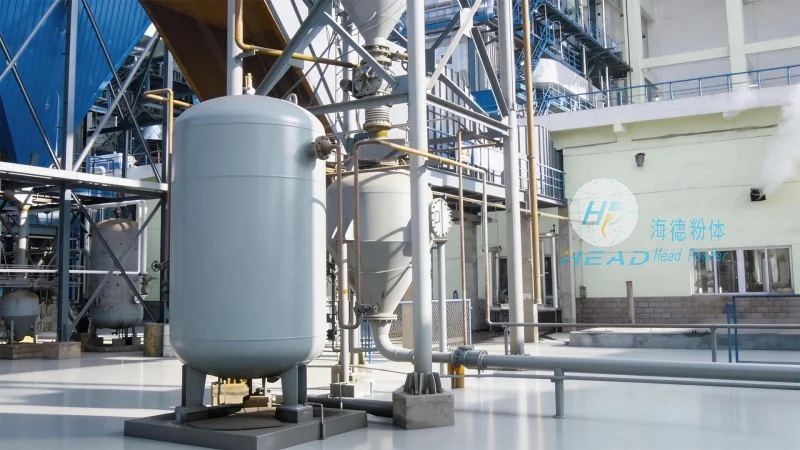
Understanding Foamed Plastics and Their Handling Challenges
Foamed plastics, such as polystyrene, polyethylene, and polypropylene foams, are widely used in packaging, insulation, and consumer goods due to their lightweight properties and excellent shock absorption. However, their low density and irregular shapes present unique challenges during material handling. Traditional methods like belt conveyors or manual handling can be inefficient, leading to material degradation, dust generation, and increased labor costs. Pneumatic conveying offers a solution by using air to transport these materials in a controlled, dust-free environment.
The Core Principles of Pneumatic Conveying
Pneumatic conveying systems operate by transporting bulk materials through a pipeline using compressed air. There are two primary types: dilute-phase and dense-phase systems. Dilute-phase systems use high-velocity air to suspend the material particles, allowing for long-distance transport with minimal pressure drop. Dense-phase systems, on the other hand, use lower air velocities and higher material concentrations, which is ideal for handling sensitive or abrasive materials like foamed plastics. The choice between these systems depends on the material characteristics, distance, and required throughput.
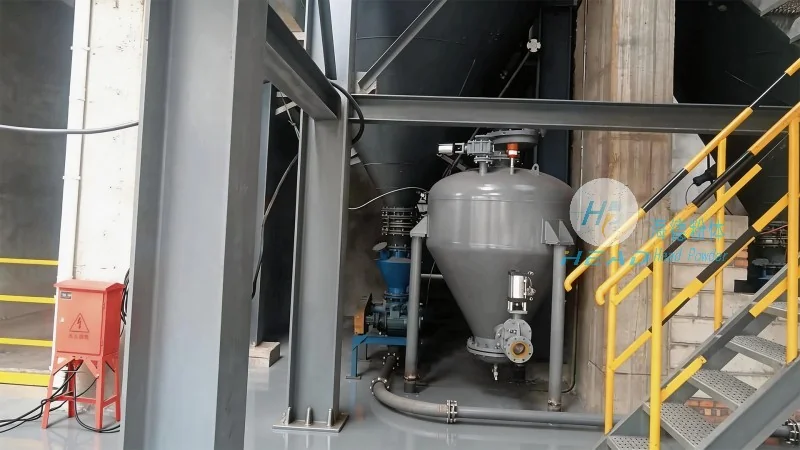
Key Advantages of Pneumatic Conveying for Foamed Plastics
For foamed plastics, pneumatic conveying provides several key advantages that enhance operational efficiency and product quality. First, it eliminates the need for mechanical contact with the material, reducing the risk of surface damage or contamination. This is particularly important for foamed plastics used in food packaging or medical applications where hygiene is critical. Second, the enclosed system prevents dust and particles from entering the environment, improving workplace safety and compliance with environmental regulations. Third, pneumatic conveying systems can be designed for high-speed, continuous operation, which increases production throughput and reduces downtime. Additionally, these systems are highly flexible, allowing for easy integration with existing production lines and the ability to transport materials over complex routes without the need for multiple transfer points.
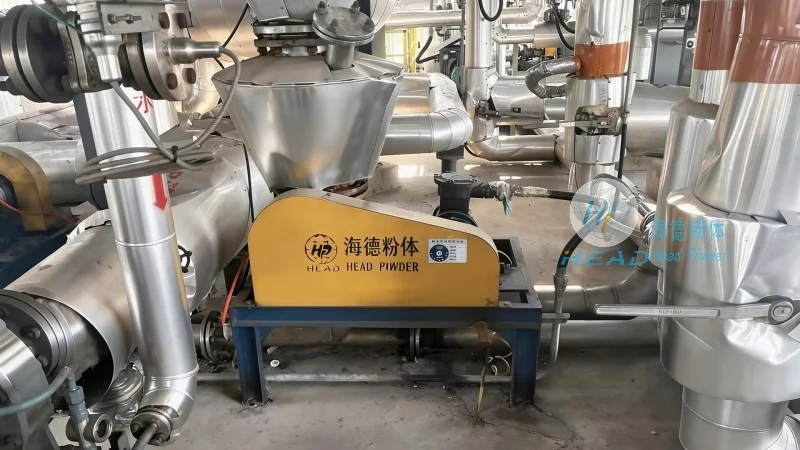
Technical Considerations for Effective Foamed Plastic Conveying
Implementing an effective pneumatic conveying system for foamed plastics requires careful consideration of several technical factors. The first is the selection of appropriate air velocity and pressure. For dilute-phase systems, air velocities typically range from 20 to 30 meters per second, while dense-phase systems operate at lower velocities (5 to 15 m/s) with higher material concentrations. The choice of velocity affects the system's capacity and energy consumption. Another critical factor is the design of the pipeline and components, such as the inlet and outlet. The inlet must be designed to minimize material degradation and ensure smooth material flow, while the outlet should prevent material buildup and ensure complete discharge. The use of special materials like stainless steel or corrosion-resistant alloys is often necessary to prevent material adhesion and ensure long-term system performance. Additionally, the system must be equipped with proper filtration and dust collection to maintain air quality and comply with environmental standards.
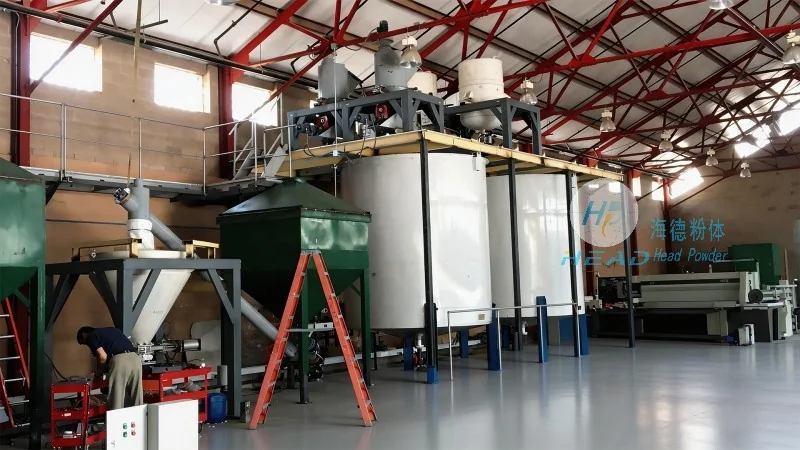
Applications and Case Studies
Pneumatic conveying is widely used in various applications involving foamed plastics. For example, in the packaging industry, it is used to transport polystyrene foam from production lines to packaging machines, ensuring a consistent and efficient supply of material. In the construction industry, it is used to convey insulation materials to building sites, reducing the need for manual handling and improving safety. A case study from a major food packaging manufacturer shows that implementing a pneumatic conveying system reduced material handling time by 40% and decreased dust-related quality issues by 70%. Another example is in the automotive industry, where foamed plastics are used for interior components, and pneumatic conveying ensures that these materials are transported without damage, maintaining the quality of the final product.
Conclusion and Future Outlook
In conclusion, pneumatic conveying plays a vital role in the efficient and safe transportation of foamed plastics. By leveraging the principles of air-based material transport, these systems address the unique challenges associated with handling lightweight, porous materials, offering advantages in terms of product quality, operational efficiency, and environmental compliance. As manufacturers continue to seek innovative solutions to improve their processes, pneumatic conveying remains a reliable and effective technology for the future of material handling in the foamed plastics industry. HeadPowder, with its expertise in engineering and manufacturing, continues to provide tailored pneumatic conveying solutions that meet the specific needs of its clients, ensuring optimal performance and long-term success in the industry.