

Role of Pneumatic Conveying in Polyvinyl Chloride (PVC) Material Handling
When it comes to the efficient and reliable transportation of polyvinyl chloride (PVC), pneumatic conveying systems offer a superior solution that addresses the unique challenges associated with handling this versatile polymer. As a leading provider in the field, Shandong HeadPowder Engineering Co., Ltd. specializes in designing and implementing advanced pneumatic conveying technologies tailored to the specific demands of PVC processing and distribution. This article explores the critical role of pneumatic conveying in PVC material handling, highlighting its benefits, technical considerations, and practical applications.
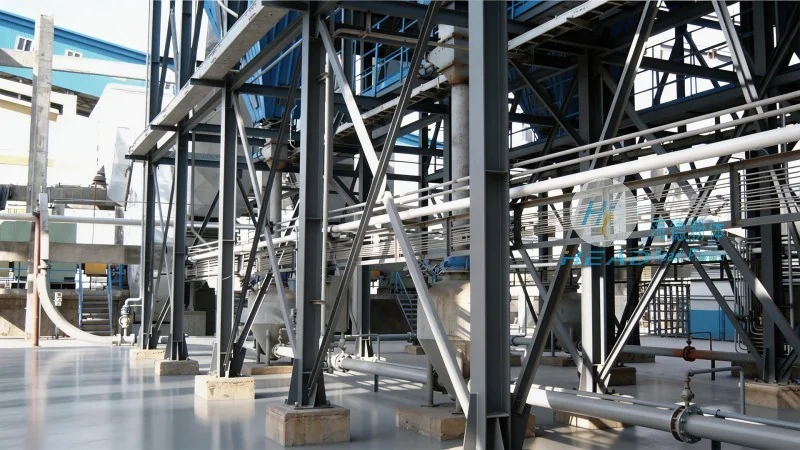
Understanding the Unique Properties of PVC and Its Handling Requirements
Polyvinyl chloride (PVC) is a widely used thermoplastic polymer known for its durability, chemical resistance, and versatility in various industries, including construction, automotive, and manufacturing. However, its physical and chemical properties present specific challenges during transportation. For instance, PVC powders and granules can be abrasive, have varying moisture content, and may require controlled temperature conditions to maintain their quality. Traditional methods like belt conveyors or screw conveyors may struggle with these characteristics, leading to material degradation, blockages, or contamination. Pneumatic conveying, on the other hand, provides a closed system that minimizes exposure to the environment, ensuring the integrity of the PVC material throughout the handling process.
Key Advantages of Pneumatic Conveying for PVC Transport
One of the primary advantages of pneumatic conveying in PVC handling is its ability to transport materials in a dust-free and enclosed environment. This is particularly important for PVC, as it helps prevent dust inhalation, which is a health hazard, and reduces the risk of material contamination from external sources. Additionally, pneumatic systems offer flexibility in layout, allowing for vertical and horizontal transport without the need for complex infrastructure. This adaptability is crucial for industrial settings where space is limited or where the production line layout requires non-linear movement of materials.
Another significant benefit is the energy efficiency of modern pneumatic conveying systems. Advanced designs, such as pressure and vacuum systems, optimize air usage, reducing operational costs while maintaining high throughput. For PVC, which is often transported in large quantities, this efficiency translates into substantial savings over time. Furthermore, pneumatic conveying minimizes product degradation by avoiding direct contact with metal surfaces or excessive friction, which can occur with mechanical conveyors. This is vital for maintaining the quality of PVC, especially when it is used in applications where purity and consistency are critical, such as in the production of pipes, flooring, or electrical components.
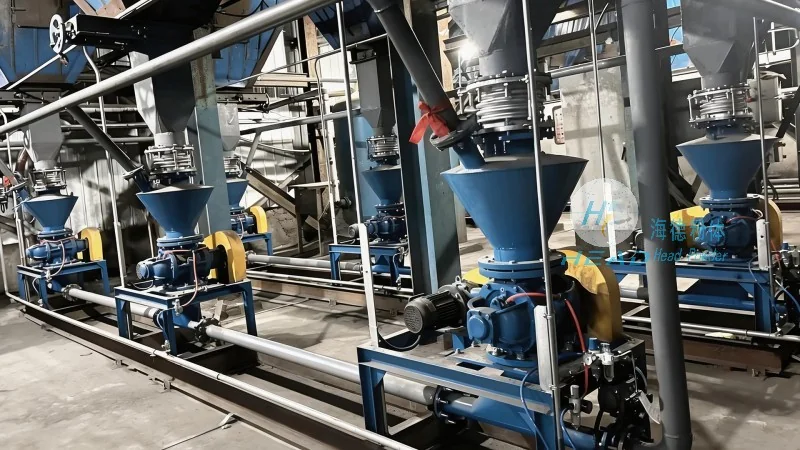
Technical Considerations for Pneumatic Conveying Systems in PVC Handling
Implementing an effective pneumatic conveying system for PVC requires careful consideration of several technical factors. The first is the selection of the appropriate conveying method—either pressure or vacuum. Pressure systems are typically used for short to medium distances and high material loads, while vacuum systems are better suited for longer distances or when the material is light and requires gentle handling. For PVC, which can be abrasive and may generate dust, the choice of materials for the conveying components is critical. High-quality, corrosion-resistant materials like stainless steel or specialized plastics are often used to ensure durability and prevent contamination.
Another technical aspect is the air velocity and pressure requirements. The air velocity must be sufficient to move the PVC particles without causing excessive wear on the system components or damaging the material. Properly designed ductwork and fittings are essential to maintain consistent air flow and prevent blockages. Additionally, the system must be equipped with appropriate filtration and cleaning mechanisms to remove any fine particles or moisture that may accumulate, ensuring long-term performance and preventing system downtime.
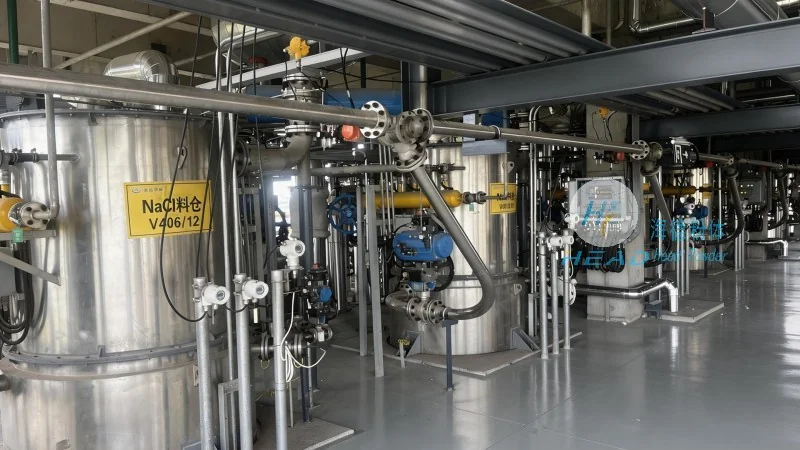
Applications of Pneumatic Conveying in PVC Processing and Distribution
Pneumatic conveying plays a vital role in various stages of PVC processing and distribution. In manufacturing plants, it is commonly used to transport raw PVC resin from storage silos to processing equipment, such as extruders or mixers. This ensures a continuous and controlled feed of material, which is essential for maintaining consistent product quality. During the production of PVC products, such as pipes or sheets, pneumatic systems are used to move finished goods or intermediate products between different production lines or storage areas.
In the distribution phase, pneumatic conveying is employed to transport PVC products from the factory to warehouses or directly to customers. This method allows for efficient and safe delivery, especially for bulk quantities. The closed system also helps in complying with environmental regulations by reducing emissions and preventing material loss. Furthermore, pneumatic conveying can be integrated with other automation systems, such as inventory management or quality control, to enhance overall operational efficiency.
Conclusion: The Importance of Specialized Pneumatic Conveying Solutions for PVC
For industries relying on polyvinyl chloride (PVC), pneumatic conveying is an indispensable technology that enhances material handling efficiency, maintains product quality, and reduces operational costs. As a leading company in this field, Shandong HeadPowder Engineering Co., Ltd. provides tailored pneumatic conveying solutions that address the unique challenges of PVC processing and distribution. By leveraging advanced technology and expert engineering, the company ensures that its systems are optimized for performance, durability, and reliability. Whether for short-distance transport within a plant or long-distance distribution, pneumatic conveying offers a superior alternative to traditional methods, making it a critical component in the PVC supply chain.