

What is Activated Carbon Powder Pneumatic Conveying? Classification and Applications of Pneumatic Co
Activated carbon powder pneumatic conveying is a specialized method used in material handling and processing industries to transport fine powders like activated carbon. This technology involves using air or gas to move the powder through a pipeline system, offering advantages such as efficient transport, reduced contamination, and the ability to handle delicate materials without damage. Understanding the principles, classifications, and practical applications of pneumatic conveying systems is crucial for industries that rely on activated carbon and other fine powders.
Understanding Pneumatic Conveying Systems
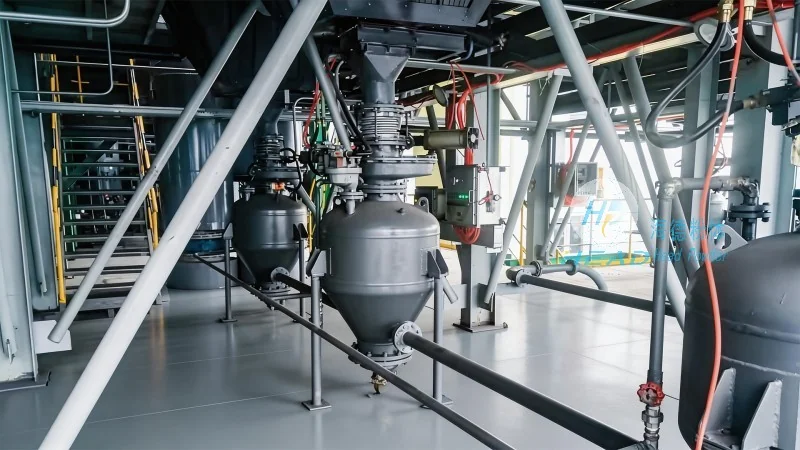
Pneumatic conveying systems are designed to transport bulk materials, including powders and granules, through a network of pipes using air or gas as the conveying medium. The core components typically include a material feed hopper, a conveying line, a control system, and a discharge mechanism. The system operates by creating a pressure differential, either through suction (negative pressure) or pressure (positive pressure), to move the material from the source to the destination. This method is particularly suitable for materials that are prone to dust, require low contamination levels, or need to be handled gently to maintain their quality.
Classification of Pneumatic Conveying Systems
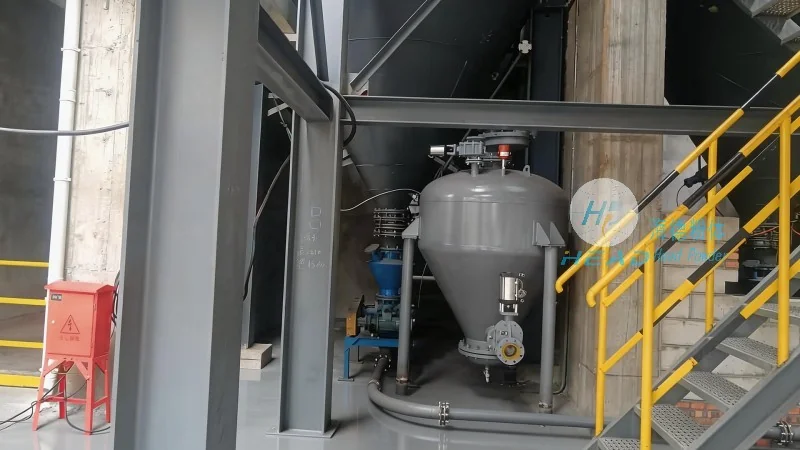
Pneumatic conveying systems can be broadly classified into two main categories: pressure and vacuum systems. Pressure systems use compressed air to push the material through the pipeline, while vacuum systems employ a vacuum to draw the material into the line. Within these categories, there are further subtypes based on the flow characteristics and system design. For example, pressure systems include dense-phase and dilute-phase conveying, each with distinct advantages for different material properties and application requirements. Vacuum systems may use venturi or rotary lobe pumps to create the suction force. The choice of system type depends on factors such as material characteristics, distance of transport, and desired flow rate.
Activated Carbon Powder Pneumatic Conveying: Key Considerations
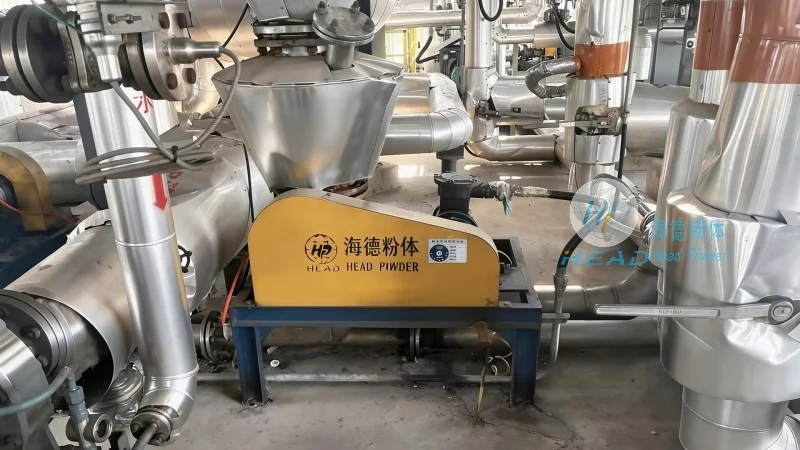
When it comes to transporting activated carbon powder, specific considerations must be taken into account to ensure efficiency and material integrity. Activated carbon is a fine, porous material that can be sensitive to handling, making the selection of an appropriate pneumatic conveying system critical. Factors such as particle size, moisture content, and flowability influence the choice of conveying method. For instance, dense-phase conveying is often preferred for activated carbon because it minimizes particle attrition and prevents clogging in the pipeline. This method involves injecting air at a controlled rate to create a slurry-like flow, which reduces the velocity of the material and protects it from damage. Additionally, the system design must consider the potential for dust generation and the need for proper filtration to maintain air quality and comply with environmental regulations.
Applications of Pneumatic Conveying in Activated Carbon Processing
Activated carbon powder pneumatic conveying is widely used in various applications within the activated carbon industry and related sectors. In industrial settings, it is commonly employed in the production and processing of activated carbon, where the material needs to be moved between different stages of the manufacturing process, such as from a reactor to a drying unit or from a storage silo to a packaging line. The ability to transport activated carbon efficiently and without contamination is essential for maintaining product quality and consistency. Additionally, in environmental applications, such as water treatment and air purification, pneumatic conveying systems are used to transport activated carbon to filtration systems, ensuring that the material is delivered to the treatment units in a controlled manner. The technology also finds use in pharmaceutical and food processing industries where activated carbon is used as an adsorbent, requiring a clean and hygienic conveying process to meet regulatory standards.
About Shandong HeadPowder Engineering Co., Ltd.
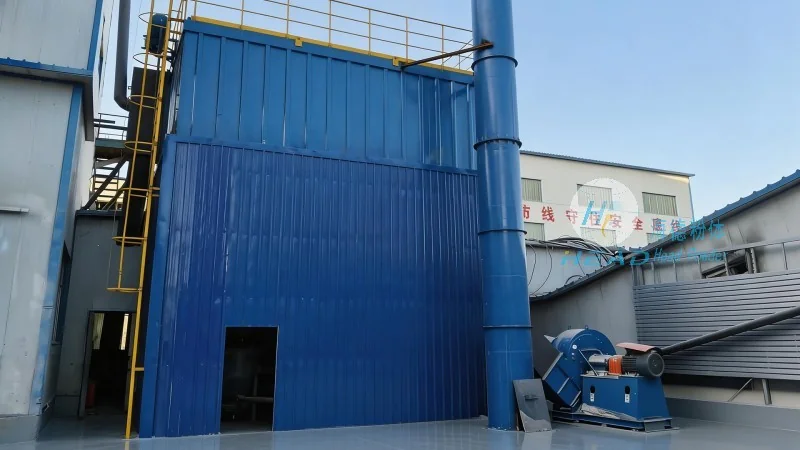
Shandong HeadPowder Engineering Co., Ltd., commonly known as HeadPowder, is a leading provider of engineering solutions for material handling and processing. With a focus on innovative technologies and customer-centric approaches, the company specializes in the design, manufacturing, and installation of pneumatic conveying systems tailored to the needs of various industries. HeadPowder's expertise lies in understanding the unique challenges of handling fine powders like activated carbon and developing customized solutions that optimize material transport efficiency, reduce operational costs, and enhance product quality. The company's commitment to quality and reliability has made it a trusted partner for businesses seeking advanced material handling solutions in China and beyond.