

What is Carbon Black and Coal Powder Pneumatic Conveying? Classification and Applications of Pneumat
Carbon black and coal powder are critical raw materials across multiple industrial sectors, including rubber, plastics, and energy production. The efficient transportation of these fine powders is essential for maintaining production efficiency and ensuring product quality. Pneumatic conveying, a method that utilizes air as a conveying medium to transport solid particles, has emerged as a preferred solution for handling such materials. This approach offers advantages such as flexibility, cleanliness, and the ability to handle fine powders without contamination. This article explores the concept of carbon black and coal powder pneumatic conveying, the classification of pneumatic conveying systems, and their practical applications.
Understanding Pneumatic Conveying Systems
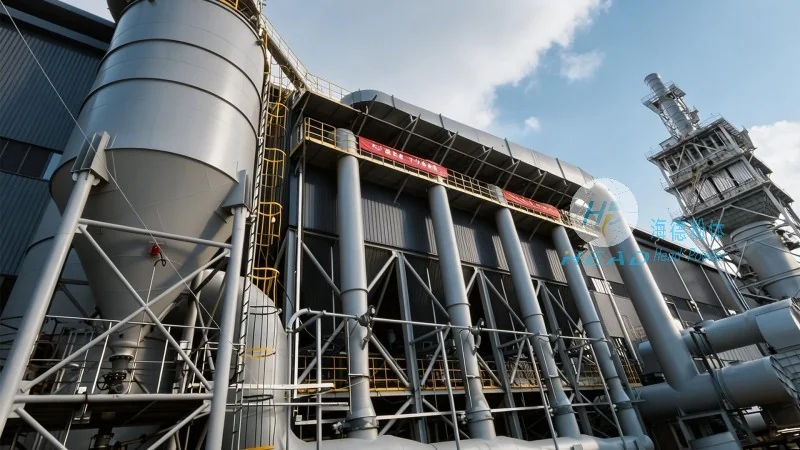
Pneumatic conveying systems are engineered to transport bulk materials through a pipeline using a gas, typically air, as the conveying medium. These systems are widely adopted in industries dealing with fine powders due to their ability to handle abrasive materials without wear, minimize product degradation, and provide enclosed systems that prevent dust emissions and contamination. The core components of a pneumatic conveying system include a material feed hopper, a conveyor line (usually a pipeline), a gas source (such as a blower or compressor), and a control system to regulate flow and pressure. The system design is tailored to the specific material properties and operational requirements, ensuring optimal performance.
Carbon Black and Coal Powder Specific Considerations
When handling carbon black and coal powder, specific considerations are necessary to ensure system efficiency and longevity. Carbon black, a fine black powder used as a pigment and reinforcing agent in rubber and plastics, and coal powder, a raw material or byproduct in energy and chemical industries, both present unique challenges. These materials are prone to agglomeration and can cause blockages if not managed properly. Pneumatic conveying systems for these materials typically require high-velocity air to maintain particle suspension and prevent deposition. Additionally, the abrasive nature of carbon black necessitates the use of durable components, such as stainless steel or specialized coatings, to minimize wear and extend system life. The design must also account for the potential for dust emissions and the need for effective filtration to comply with environmental regulations.
Classification of Pneumatic Conveying Systems
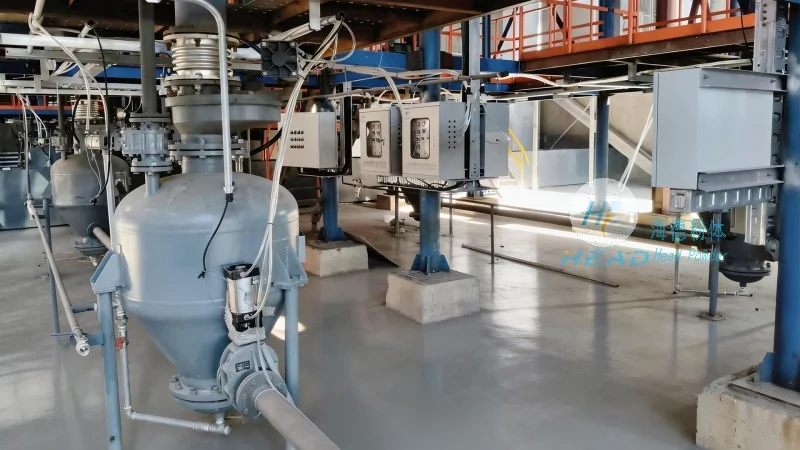
Pneumatic conveying systems are generally classified into two main categories: dilute-phase and dense-phase. Dilute-phase systems operate at higher air velocities (typically above 20 m/s) and are suitable for transporting fine powders over short to medium distances. These systems are commonly used for carbon black and coal powder due to their efficiency in maintaining particle suspension and minimizing pressure drop. Dense-phase systems, in contrast, operate at lower air velocities (around 5-15 m/s) and use higher material concentrations, often with a controlled air-to-material ratio. Dense-phase systems are ideal for handling abrasive or sticky materials and can transport materials over longer distances with reduced pressure loss. Another classification is based on the direction of material flow relative to the air flow: horizontal, vertical, or a combination of both. Horizontal systems are employed for short horizontal distances, while vertical systems are suitable for lifting materials to higher elevations. The choice of system type depends on the specific application, material properties, and distance requirements, ensuring optimal performance and cost-effectiveness.
Applications of Pneumatic Conveying in Carbon Black and Coal Powder Handling
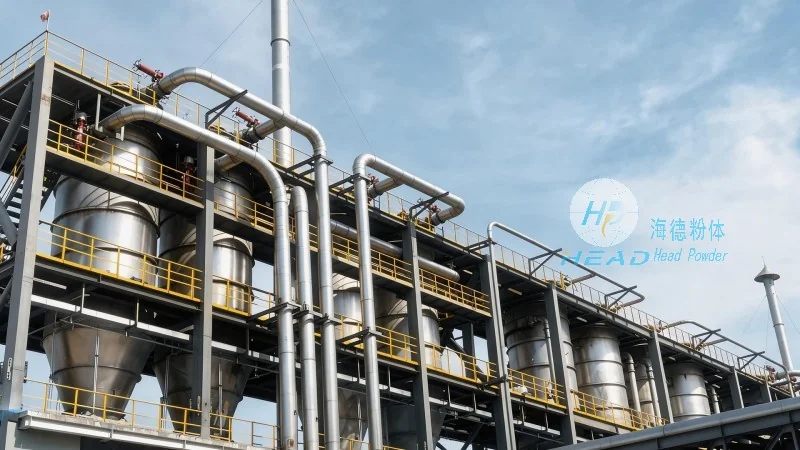
The applications of pneumatic conveying for carbon black and coal powder are diverse and critical to various industrial processes. In the rubber industry, carbon black is transported from storage silos to mixing plants, where it is blended with other ingredients to produce rubber compounds. The efficiency of the conveying system directly impacts the quality of the final rubber product, as any contamination or degradation of the carbon black can affect the material's properties. In the energy sector, coal powder is transported from coal storage facilities to power plants or industrial boilers. Pneumatic conveying enables safe and efficient delivery of coal, especially in areas where traditional conveyor systems may be impractical due to terrain or space constraints. Additionally, in chemical manufacturing, coal powder is used as a raw material for producing chemicals like carbon black or other derivatives, and pneumatic conveying ensures a consistent supply of material to the production line. The use of pneumatic conveying also enhances safety by eliminating the need for manual handling of fine powders, reducing the risk of dust explosions and inhalation hazards. These systems contribute to improved operational efficiency and environmental compliance.
HeadPowder's Expertise in Pneumatic Conveying Solutions
Shandong HeadPowder Engineering Co., Ltd., a leading provider of pneumatic conveying solutions, specializes in designing and manufacturing systems tailored to the unique needs of carbon black and coal powder industries. With a focus on durability, efficiency, and safety, HeadPowder offers customized solutions that address the specific challenges of handling these fine materials. The company's expertise lies in understanding the material properties of carbon black and coal powder, which allows for the optimization of system design, including the selection of appropriate air velocities, pipeline materials, and control systems. HeadPowder's systems are built to withstand the abrasive nature of carbon black and the potential for blockages in coal powder, ensuring reliable and continuous operation. The company's commitment to quality and customer satisfaction is reflected in its adherence to industry standards and continuous improvement of its products. With a presence in China, Shandong HeadPowder Engineering Co., Ltd. serves clients globally, providing comprehensive support from system design to installation and maintenance. Their solutions are engineered to meet the demanding requirements of modern industrial operations, ensuring long-term performance and cost-effectiveness.