

What is a Cement and Mineral Powder Pneumatic Conveyor? And What Are Its Design Principles?
For industrial applications that require the efficient and reliable transport of cement and mineral powders, the pneumatic conveyor system has emerged as a critical solution. This article explores the fundamental aspects of a cement and mineral powder pneumatic conveyor, including its operational design principles and the technical considerations that ensure optimal performance in various industrial settings.
Understanding the Cement and Mineral Powder Pneumatic Conveyor
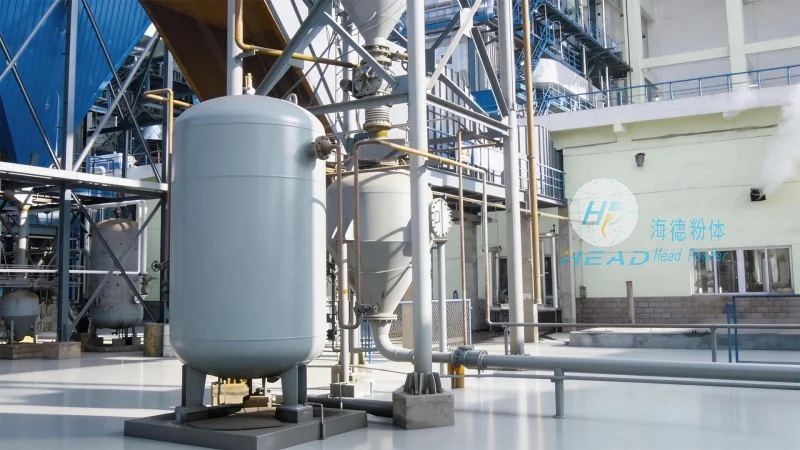
A cement and mineral powder pneumatic conveyor is a type of material handling equipment designed to transport dry powders, such as cement, fly ash, and other mineral powders, through a pipeline using air pressure. The system operates by creating a flow of air within the pipeline, which propels the powder particles forward. This method offers several advantages over traditional mechanical conveyors, including reduced maintenance, lower energy consumption, and the ability to handle materials in a dust-free environment.
Key Components of the Pneumatic Conveyor System
The effective operation of a cement and mineral powder pneumatic conveyor relies on several key components, each playing a vital role in the overall system. These components include the feeding unit, which introduces the powder into the system; the air compressor, which generates the necessary air pressure; the pipeline network, which transports the material; and the control system, which regulates the flow and pressure. Additionally, the system may incorporate features such as dust collection and filtration to ensure environmental compliance and maintain air quality.
Design Principles for Efficient Material Transport
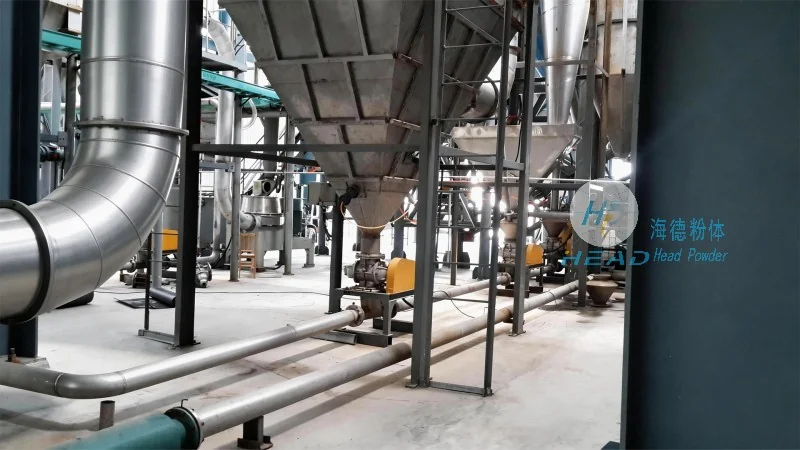
The design of a cement and mineral powder pneumatic conveyor is guided by several fundamental principles aimed at maximizing efficiency and minimizing operational issues. One of the primary principles is the selection of appropriate air velocity, which must be sufficient to overcome the resistance of the powder particles while avoiding excessive energy consumption. The pipeline diameter and length are also critical design factors, as they directly impact the pressure drop and overall system performance. Engineers must carefully calculate the required air volume and pressure to ensure that the conveyor can handle the desired material flow rate without causing blockages or excessive wear on components.
Advantages of Using a Pneumatic Conveyor for Cement and Mineral Powders
Implementing a pneumatic conveyor for the transport of cement and mineral powders offers numerous benefits that make it a preferred choice in many industrial applications. Unlike mechanical conveyors, which can cause material degradation or contamination due to friction and contact with moving parts, pneumatic systems maintain the integrity of the powder. This is particularly important for cement, which can be sensitive to moisture and contamination. Additionally, pneumatic conveyors are highly flexible, allowing for easy integration into existing production lines and the ability to transport materials over long distances with minimal infrastructure changes.
Applications in the Cement and Mineral Processing Industry
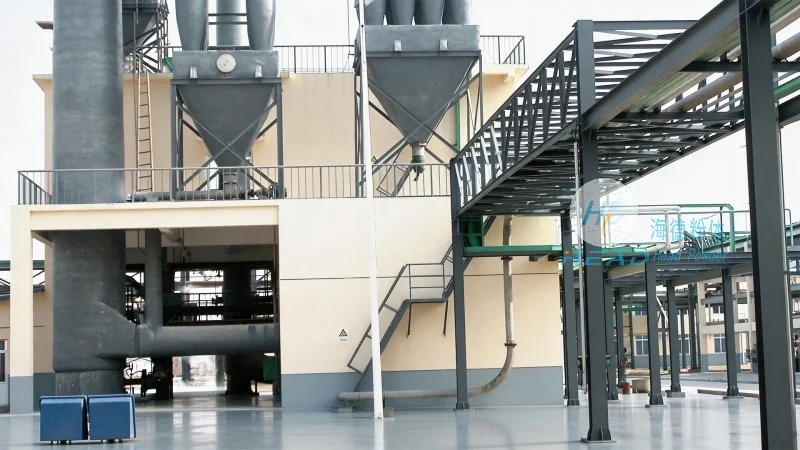
The versatility of cement and mineral powder pneumatic conveyors makes them suitable for a wide range of applications within the cement and mineral processing industry. These systems are commonly used in cement plants for the transport of raw materials, such as limestone and clay, from storage silos to processing units. They are also employed in the handling of finished products, such as cement and fly ash, for packaging and distribution. In mineral processing facilities, pneumatic conveyors are used to transport various mineral powders, including silica, kaolin, and other industrial minerals, from crushing and grinding operations to storage or further processing stages.
Maintenance and Operational Considerations
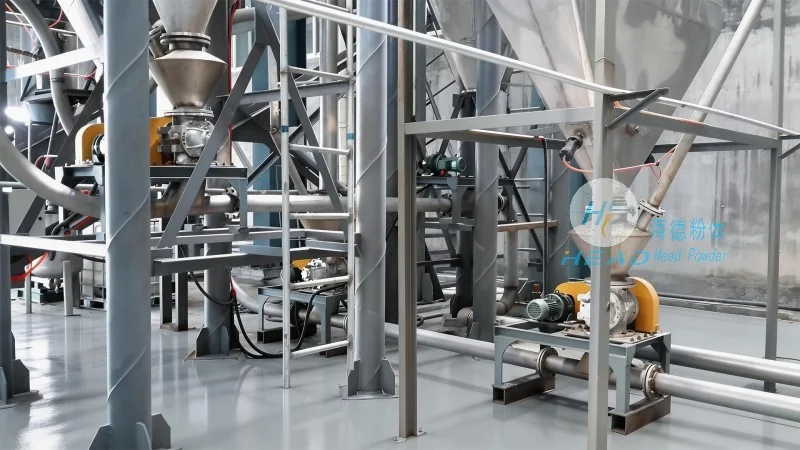
To ensure the long-term reliability and efficiency of a cement and mineral powder pneumatic conveyor, proper maintenance and operational practices are essential. Regular inspection of the air compressor and pipeline system is necessary to detect and address any issues, such as leaks or blockages, before they escalate into more significant problems. The control system should be calibrated regularly to maintain optimal pressure and flow rates, and the dust collection system should be cleaned as needed to prevent clogging and maintain air quality. Additionally, the material feed rate should be adjusted according to the system's capacity to avoid overloading and potential system failure.
About Shandong HeadPowder Engineering Co., Ltd.
Shandong HeadPowder Engineering Co., Ltd., a leading manufacturer of material handling equipment, specializes in the design, manufacturing, and supply of pneumatic conveyor systems for the cement and mineral processing industries. With years of experience and a commitment to quality, the company provides customized solutions tailored to the specific needs of its clients. HeadPowder's products are engineered to meet the highest standards of performance and reliability, ensuring that customers receive equipment that is both efficient and durable. The company's headquarters is located in Shandong, China, where it continues to innovate and advance the technology of material handling systems.