

What is a Phosphoric Acid Calcium Pneumatic Conveying Machine? What Are Its Design Principles?
Phosphoric acid calcium, a critical compound in the chemical and agricultural sectors, often requires efficient and reliable transportation systems to move it from production sites to processing facilities or storage areas. The phosphoric acid calcium pneumatic conveying machine, also known as a pneumatic conveyor, addresses this need by utilizing air pressure to transport bulk materials like phosphoric acid calcium. This article explores the fundamental concept of such a machine and delves into its design principles, highlighting how these systems enhance operational efficiency and safety in material handling.
Understanding the Phosphoric Acid Calcium Pneumatic Conveying Machine
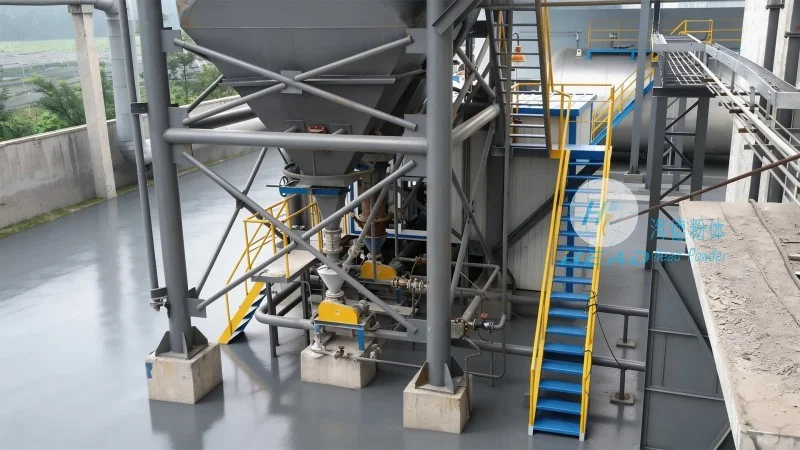
A phosphoric acid calcium pneumatic conveying machine is a specialized piece of equipment designed to transport dry or semi-dry powders, including phosphoric acid calcium, through a pipeline using air or gas as the conveying medium. Unlike traditional mechanical conveyors that rely on belts, buckets, or screws, pneumatic conveyors use pressure differentials to move material. This method is particularly advantageous for handling materials that are dusty, abrasive, or sensitive to moisture, as it minimizes contact with external elements and reduces the risk of contamination. The machine typically consists of a hopper for material storage, a blower or compressor to generate air flow, a pipeline system for material transport, and a receiver or discharge unit to collect the conveyed material.
Key Components and Their Functions
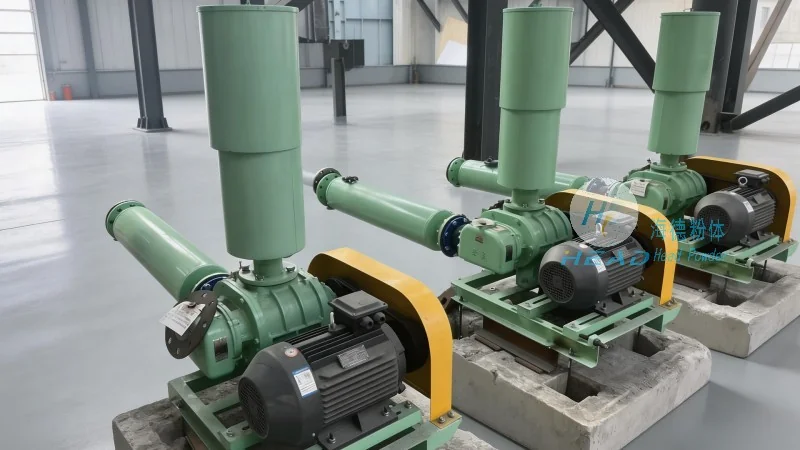
The effectiveness of a phosphoric acid calcium pneumatic conveying machine depends on several key components, each playing a critical role in the overall operation. The hopper serves as the primary storage vessel, holding the phosphoric acid calcium until it is ready to be conveyed. It is often equipped with a discharge valve or gate to control the flow of material into the conveyor system. The blower or compressor is the heart of the system, generating the necessary air pressure to move the material through the pipeline. This component can be a positive displacement blower, which provides consistent pressure, or a centrifugal fan, which is suitable for larger volumes. The pipeline system is made of materials resistant to corrosion and abrasion, such as stainless steel or polyethylene, to ensure durability and prevent material degradation. The receiver or discharge unit is where the material is collected after being transported through the pipeline. It may include a filter or separator to remove any excess air or dust before the material is stored or processed further.
Design Principles for Efficient Material Transport
The design principles of a phosphoric acid calcium pneumatic conveying machine are centered on optimizing material flow, minimizing energy consumption, and ensuring system reliability. One of the primary design considerations is the air-to-material ratio, which refers to the amount of air used per unit of material being conveyed. An optimal ratio ensures that the material is fully suspended in the air stream, preventing blockages and ensuring smooth transport. The pipeline layout is also crucial, as it must be designed to minimize pressure drops and avoid sharp turns or bends that could cause material deposition or air leakage. The system may incorporate features like pulse jets or vibration to keep the material in suspension and maintain consistent flow rates. Additionally, the machine is designed to handle varying material properties, such as particle size, density, and moisture content, by adjusting the air pressure and flow rate accordingly. This adaptability makes the pneumatic conveyor suitable for diverse applications in the phosphoric acid calcium industry.
Advantages of Using a Pneumatic Conveying Machine for Phosphoric Acid Calcium
Implementing a phosphoric acid calcium pneumatic conveying machine offers several advantages over traditional material handling methods. Firstly, it provides a dust-free and hygienic environment, which is essential for handling food-grade or pharmaceutical-grade materials. The enclosed system prevents dust from escaping into the air, reducing the risk of inhalation and contamination. Secondly, pneumatic conveyors are highly flexible, allowing for changes in the material flow path without major modifications to the system. This flexibility is particularly beneficial in industrial settings where production processes may change or expand. Thirdly, the system is energy-efficient, as it uses less power compared to mechanical conveyors that require continuous mechanical movement. Finally, the machine is easy to maintain and clean, with components that can be easily disassembled and sanitized, ensuring compliance with industry standards and regulations.
Applications in the Phosphoric Acid Calcium Industry
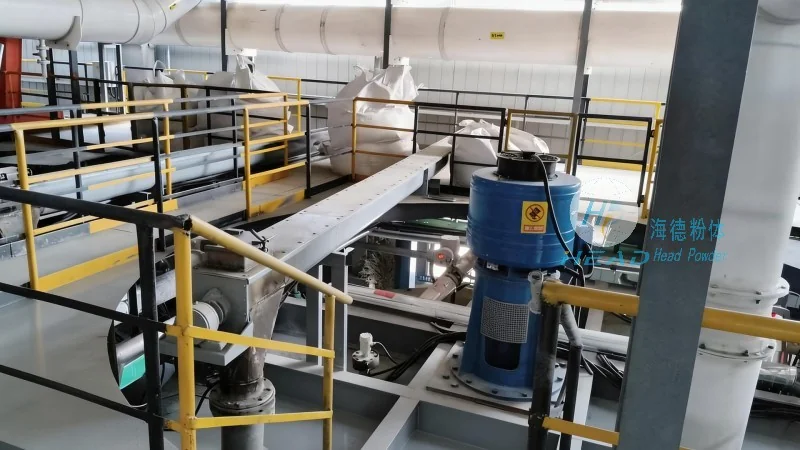
The phosphoric acid calcium pneumatic conveying machine is widely used in various applications within the chemical and agricultural sectors. In the production of fertilizers, it is used to transport phosphoric acid calcium from the reaction tank to the packaging or storage area. In the food industry, it may be employed to move the material from a processing plant to a distribution center, ensuring that the product remains fresh and uncontaminated. Additionally, the machine is used in pharmaceutical manufacturing to transport the material to the next stage of processing, such as mixing or granulation. The versatility of the pneumatic conveyor makes it an essential tool for companies dealing with phosphoric acid calcium, as it enhances productivity and ensures the quality of the final product.
Conclusion
In conclusion, the phosphoric acid calcium pneumatic conveying machine is a vital piece of equipment for efficiently and safely transporting bulk materials in the chemical and agricultural industries. Its design principles, which focus on optimizing material flow and minimizing energy consumption, make it a reliable and flexible solution for handling phosphoric acid calcium. By understanding the key components and advantages of this machine, companies can make informed decisions about implementing such systems to improve their operational efficiency and product quality. As a leading manufacturer in this field, Shandong HeadPowder Engineering Co., Ltd. specializes in providing high-quality pneumatic conveying machines tailored to the specific needs of their clients, ensuring that they meet industry standards and regulatory requirements.