

Comparison of Common Transport Methods for Lithium-Ion Battery Anode Materials
HeadPowder, a leading manufacturer based in Shandong, China, specializes in providing efficient and reliable transport solutions for lithium-ion battery anode materials. This article provides a detailed comparison of common transport methods used in the production and processing of these critical battery components.
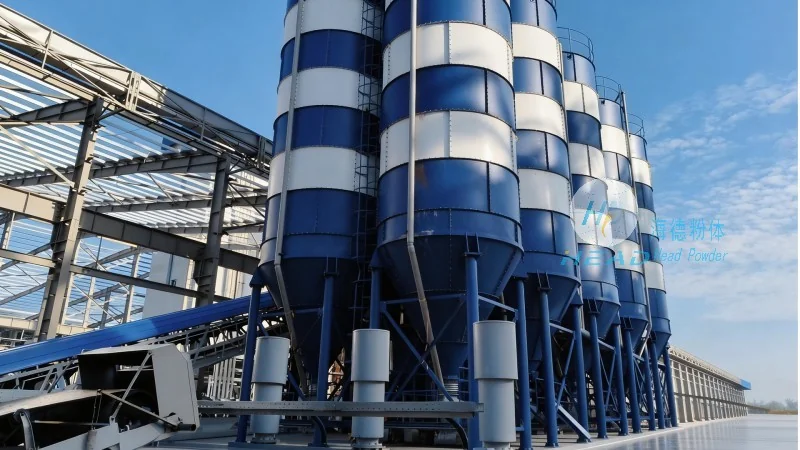
Overview of Lithium-Ion Battery Anode Material Transport
Lithium-ion battery anode materials, such as graphite and silicon-based powders, require precise and controlled transport systems to ensure quality and consistency in the manufacturing process. The choice of transport method significantly impacts production efficiency, material integrity, and overall cost-effectiveness. HeadPowder's expertise lies in designing and implementing tailored transport solutions that meet the specific needs of clients in the battery industry.
Common Transport Methods for Anode Materials
Several transport methods are widely used in the lithium-ion battery anode material processing industry. Each method has its own advantages and is suitable for different production scenarios. Below is a comparison of the most common approaches:
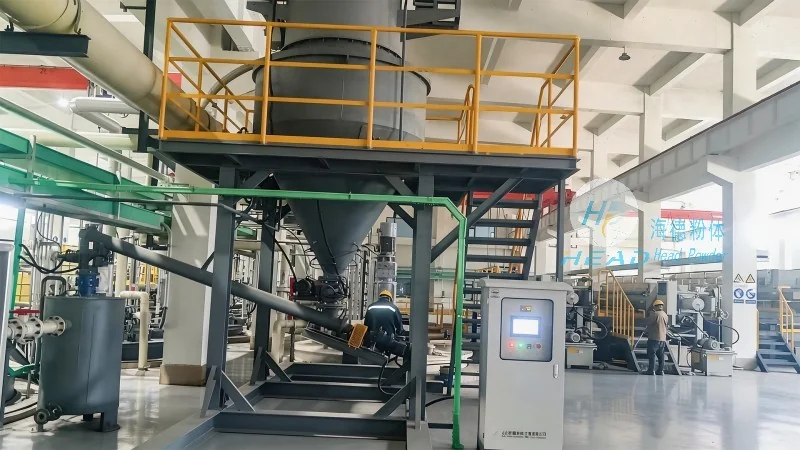
Air-Flow Pneumatic Conveying Systems
Pneumatic conveying, or air-flow transport, is a popular method for moving fine powders like anode materials. This system uses compressed air to create a flow that transports the material through a pipeline. HeadPowder's pneumatic conveying solutions are designed to handle high volumes of anode powders with minimal dust generation and low maintenance requirements. The system ensures a clean and efficient transfer process, which is crucial for maintaining the purity of the anode material.
Screw Conveyors
Screw conveyors, also known as auger conveyors, use a rotating screw to move materials along a tube or trough. This method is suitable for transporting bulk anode powders in a continuous manner. HeadPowder's screw conveyor systems are constructed with durable materials to withstand the abrasive nature of anode powders. The design ensures smooth and consistent material flow, reducing the risk of clogging and material degradation. Screw conveyors are particularly effective for horizontal or slightly inclined transport applications.
Vibrating Conveyors
Vibrating conveyors utilize vibrations to move materials along a conveyor bed. This method is ideal for transporting anode materials that are prone to bridging or caking. HeadPowder's vibrating conveyor systems are equipped with adjustable vibration frequencies and amplitudes, allowing for precise control over material movement. The design minimizes material degradation and ensures uniform feeding into subsequent processing equipment. Vibrating conveyors are commonly used in applications where gentle handling of the anode material is required.
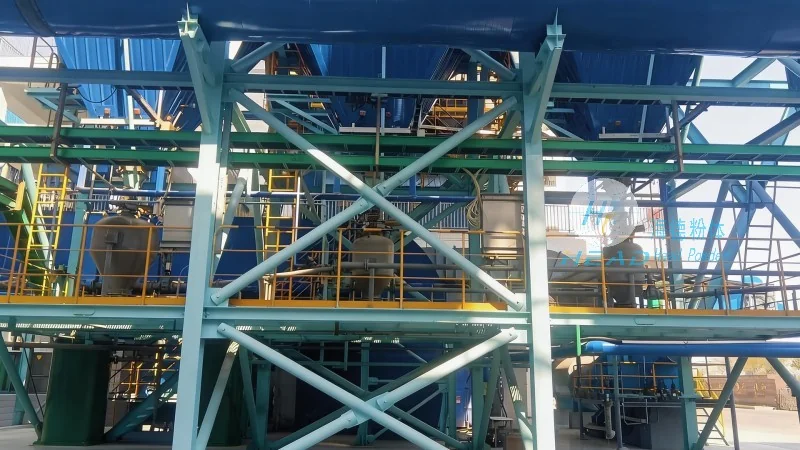
Comparison of Transport Methods
When selecting a transport method for lithium-ion battery anode materials, several factors must be considered, including material characteristics, production scale, and operational environment. Pneumatic conveying offers high capacity and minimal material contact, making it suitable for fine powders. Screw conveyors provide reliable and low-cost horizontal transport, while vibrating conveyors excel in handling sticky or cohesive materials. HeadPowder's expertise allows us to recommend the most appropriate transport system based on the specific requirements of each client, ensuring optimal performance and efficiency in the battery production process.
Conclusion
HeadPowder, with its headquarters in Shandong, China, is committed to delivering advanced transport solutions for lithium-ion battery anode materials. By understanding the unique properties of anode powders and the demands of the battery manufacturing industry, HeadPowder provides customized transport systems that enhance production efficiency, maintain material quality, and reduce operational costs. Whether using pneumatic conveying, screw conveyors, or vibrating conveyors, HeadPowder's solutions are designed to meet the highest standards of performance and reliability in the lithium-ion battery supply chain.