

Comparison of Common Dry Ash Conveying Methods: Advantages and Disadvantages
In the field of industrial waste management, especially in power plants and other facilities that generate fly ash, the efficient and reliable transportation of dry ash is crucial. Different conveying methods are employed to handle this material, each with its own set of advantages and disadvantages. This article provides a detailed comparison of common dry ash conveying methods, focusing on their operational characteristics, cost implications, and suitability for various applications.
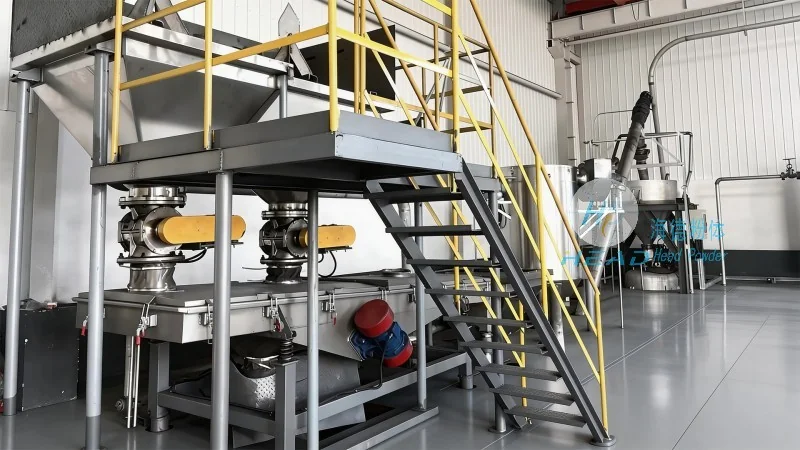
1. Pneumatic Conveying Systems
Pneumatic conveying, also known as air-pneumatic transport, is a widely used method for transporting dry ash. This system uses compressed air to move the ash through a pipeline. The primary advantage of pneumatic conveying is its ability to transport ash over long distances without the need for intermediate storage or transfer points. It also allows for the integration of ash with other materials or the return of air to the system, enhancing efficiency. However, the system requires a significant amount of energy to operate the air compressors, leading to higher operational costs. Additionally, the pressure and flow rates must be carefully controlled to prevent blockages or damage to the pipeline. The initial investment for a pneumatic system is also relatively high due to the need for robust piping, air compressors, and control systems.
2. Screw Conveyors
Screw conveyors, or auger conveyors, are another common method for dry ash transportation. These systems use a rotating screw (auger) to move ash along a trough. The main advantage of screw conveyors is their simplicity and low maintenance requirements. They are relatively inexpensive to install and operate, making them suitable for shorter transport distances and smaller volumes of ash. Screw conveyors also provide a continuous and steady flow, which can be beneficial for processes that require consistent material delivery. However, they are limited in the distance they can effectively transport ash, typically ranging from a few meters to around 30 meters. For longer distances, multiple screw conveyors may be required, increasing complexity and cost. Furthermore, screw conveyors are prone to wear and tear, especially in abrasive ash environments, leading to higher maintenance costs over time.
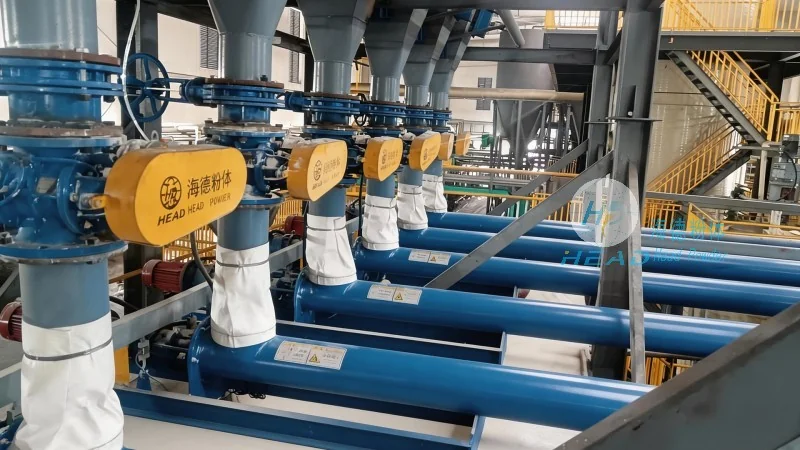
3. Belt Conveyors
Belt conveyors are a traditional method for transporting bulk materials, including dry ash. These systems use a continuous belt that moves the ash from one point to another. The primary advantage of belt conveyors is their high capacity and ability to transport ash over long distances with minimal energy consumption compared to pneumatic systems. They are also relatively easy to install and maintain, with a straightforward design that is familiar to many industrial operators. Belt conveyors can handle a wide range of ash types and sizes, making them versatile for various applications. However, they require a significant amount of space for the conveyor structure and may need additional equipment, such as idlers and pulleys, to support the belt. The system is also susceptible to material buildup and wear on the belt surface, which can affect performance and increase maintenance needs. Additionally, belt conveyors may not be suitable for very fine or powdery ash, as it can cause dust issues and reduce efficiency.
4. Hydraulic Conveying
Hydraulic conveying systems use water to transport dry ash through a pipeline. This method is particularly effective for transporting ash that is mixed with water or for facilities that have existing water systems. The main advantage of hydraulic conveying is its ability to handle high volumes of ash at a relatively low cost, especially when water is readily available. It also allows for the simultaneous transport of ash and water, which can be beneficial for processes that require ash to be dewatered or mixed with other liquids. However, hydraulic systems require additional equipment, such as pumps and filtration systems, to manage the water and ash mixture. The system also generates more waste water, which may need to be treated before discharge, adding to the environmental and operational costs. Furthermore, hydraulic conveying is less efficient for transporting ash over long distances, as the water and ash mixture can settle and cause blockages in the pipeline.
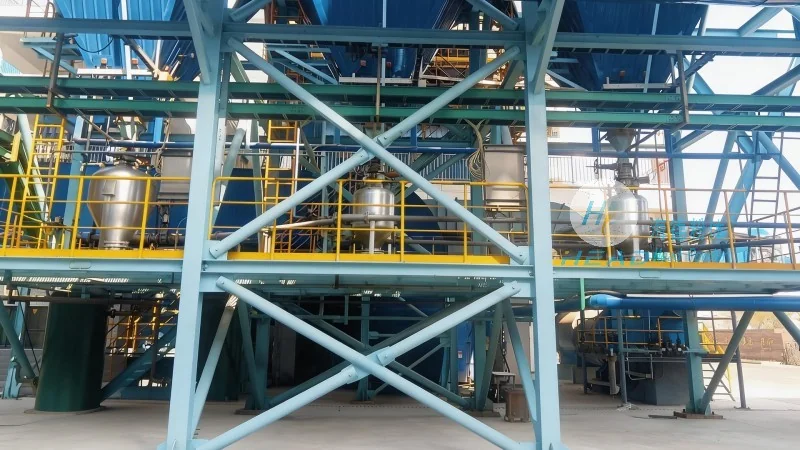
5. Comparison Summary
When selecting a dry ash conveying method, several factors must be considered, including the distance to be covered, the volume of ash to be transported, the available space, and the budget. Pneumatic conveying is ideal for long-distance transport but has higher energy costs. Screw conveyors are suitable for short distances and lower volumes but have limitations in distance and maintenance. Belt conveyors offer high capacity and versatility but require more space and maintenance. Hydraulic conveying is cost-effective for high volumes but generates more waste water and is less efficient for long distances. The choice of method should be based on a thorough analysis of these factors to ensure the most efficient and economical operation.
Shandong HeadPowder Engineering Co., Ltd. specializes in providing comprehensive solutions for dry ash handling and transportation. With years of experience in the industry, the company offers customized conveying systems tailored to the specific needs of its clients. Whether it's pneumatic, screw, belt, or hydraulic systems, HeadPowder Engineering ensures that the chosen method meets the operational requirements and budget constraints of the facility. The company's expertise in material handling and industrial engineering helps clients optimize their ash transportation processes, reducing costs and improving overall efficiency.