

What is Manganese Silicate Powder Handling? What Are the Design Principles?
Manganese silicate powder handling is a specialized process used in various industrial applications, particularly in the chemical and manufacturing sectors. This technology involves the efficient movement and management of manganese silicate powders from one location to another, ensuring optimal performance and safety in production environments. Understanding the fundamentals of this process, along with its design principles, is crucial for industries that rely on manganese silicate as a key raw material.
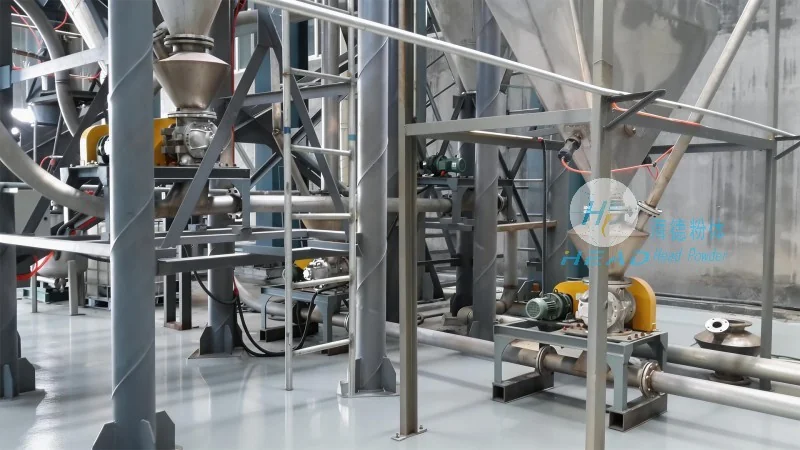
Introduction to Manganese Silicate Powder Handling
Manganese silicate, a compound with the chemical formula MnSiO₃, is widely used in applications such as battery production, steel manufacturing, and as a catalyst in chemical reactions. The handling of this powder requires specialized equipment and systems to prevent issues like dust explosion, material degradation, and inefficient transport. Proper powder handling systems are essential to maintain product quality, reduce operational costs, and enhance workplace safety.
HeadPowder: A Leading Provider of Powder Handling Solutions
Shandong HeadPowder Engineering Co., Ltd., commonly known as HeadPowder, is a reputable company based in Shandong, China, dedicated to providing advanced powder handling solutions. With years of experience in the industry, HeadPowder specializes in designing, manufacturing, and implementing systems tailored to the unique needs of clients dealing with manganese silicate and other fine powders. The company's commitment to innovation and quality has established it as a trusted partner for businesses seeking reliable and efficient powder handling technologies.
Core Components of Manganese Silicate Powder Handling Systems
A typical manganese silicate powder handling system comprises several key components that work in tandem to ensure smooth operation. These components include feeders, conveyors, storage silos, and control systems. Each component plays a critical role in the overall efficiency and safety of the process.
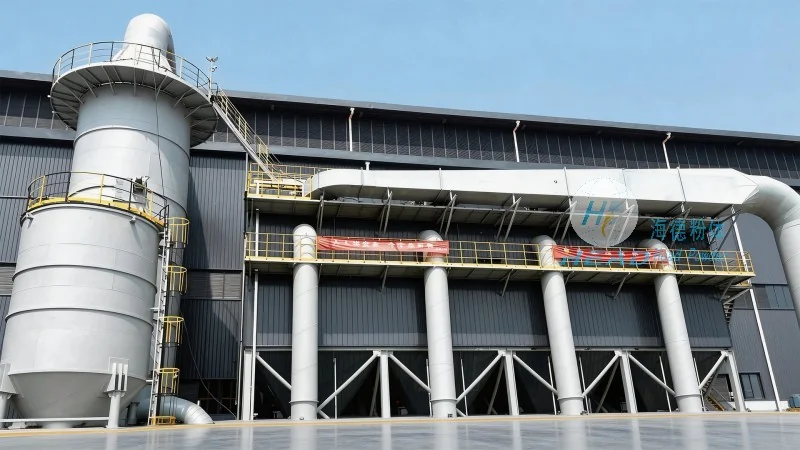
Feeding and Metering Equipment
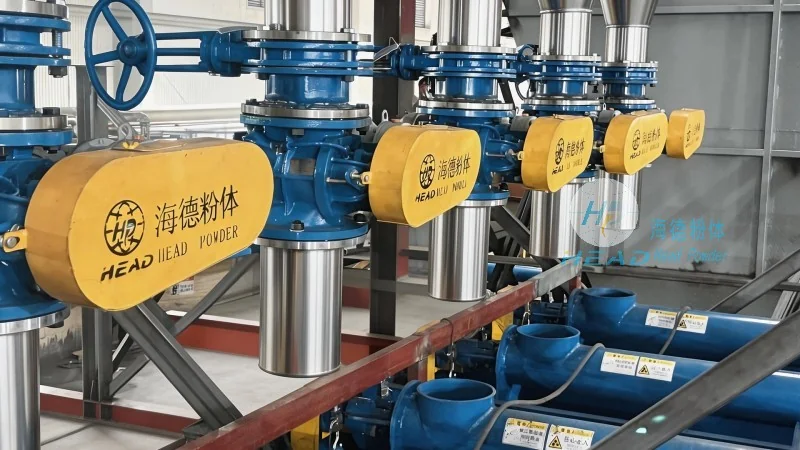
The feeding and metering stage is the initial step in powder handling, where the manganese silicate powder is introduced into the system. This is typically done using equipment such as rotary valves, screw feeders, or vibratory feeders. These devices ensure a consistent and controlled flow of powder, preventing overloading or underflow that could disrupt the entire process. The selection of the right feeder depends on factors like the powder's bulk density, flowability, and the required flow rate.
Pneumatic Conveying Systems
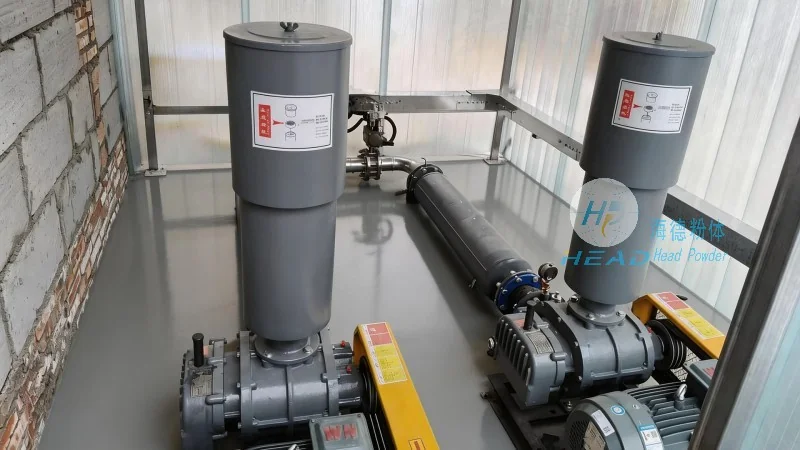
Pneumatic conveying is a common method for transporting manganese silicate powders over short to medium distances. This technology uses compressed air to move the powder through a pipeline. There are two main types of pneumatic conveying systems: pressure and vacuum. Pressure systems are suitable for long-distance transport and high-volume applications, while vacuum systems are ideal for shorter distances and when the powder needs to be collected from multiple sources. The choice of system depends on the specific requirements of the production line, including the distance between the source and destination, the volume of material to be moved, and the need for dust control.
Storage and Dosing Systems
Storage silos are used to store manganese silicate powder in bulk quantities, ensuring a steady supply for production. These silos are designed with features like aeration and discharge systems to prevent caking and maintain the powder's quality. Dosing systems, such as gravimetric or volumetric feeders, are then used to control the amount of powder released into the downstream processes. This precise control is essential for maintaining product consistency and meeting production targets.
Control and Monitoring Systems
Modern manganese silicate powder handling systems are equipped with advanced control and monitoring technologies. These systems use sensors and controllers to monitor parameters such as flow rate, pressure, and temperature in real-time. By providing immediate feedback, these systems enable operators to quickly identify and address any issues, reducing downtime and improving overall system performance. Additionally, these controls help in maintaining compliance with safety regulations and environmental standards.
Design Principles for Optimal Manganese Silicate Powder Handling
The design of a manganese silicate powder handling system follows several key principles to ensure efficiency, safety, and reliability. These principles are tailored to the unique characteristics of manganese silicate, including its chemical properties, particle size distribution, and flow behavior.
Adequate Ventilation and Dust Control
Manganese silicate is a fine powder that can create dust during handling, which poses health and safety risks. Therefore, proper ventilation and dust control measures are essential. This includes installing dust collection systems, using sealed equipment, and maintaining a clean working environment. These measures not only protect workers but also prevent dust accumulation that could lead to explosions or fires.
Prevention of Material Agglomeration
Manganese silicate has a tendency to agglomerate, which can cause blockages in equipment and affect the flow of powder. To prevent this, the design incorporates features such as aeration, vibration, and anti-static measures. Aeration systems introduce air into the powder to keep it loose, while vibration helps to break up any clumps. Anti-static coatings or materials are used to prevent static buildup that could attract dust particles and cause agglomeration.
Energy Efficiency and Cost-Effectiveness
Efficient design also focuses on minimizing energy consumption and operational costs. This is achieved through the use of energy-efficient equipment, such as variable frequency drives (VFDs) for conveyors, and optimized system layouts that reduce the distance and number of components required. By reducing energy use and maintenance needs, the overall cost of ownership is lowered, making the system more economical for long-term operation.
Flexibility and Scalability
Modern powder handling systems are designed to be flexible and scalable to accommodate future changes in production needs. This includes the ability to adjust the flow rate, add or remove components, and integrate with other production processes. Scalability ensures that the system can grow with the business, avoiding the need for costly system overhauls as production volumes increase.
Conclusion
Manganese silicate powder handling is a critical process in many industrial applications, and its design principles are essential for ensuring efficiency, safety, and cost-effectiveness. With the right equipment and design, industries can effectively manage manganese silicate powders while maintaining high product quality and operational standards. Companies like Shandong HeadPowder Engineering Co., Ltd. play a vital role in providing the expertise and solutions needed to implement these systems successfully.