

What is Manganese Carbonate Powder Handling? What Are the Design Principles?
Manganese carbonate powder handling is a critical process in various industrial applications, particularly in the production of batteries, steel, and other chemical products. Efficient and reliable powder handling systems are essential to ensure consistent product quality and minimize operational downtime. This article explores the fundamental aspects of manganese carbonate powder handling, focusing on the key design principles that underpin effective systems.
Understanding Manganese Carbonate Powder Characteristics
Before delving into the design principles of powder handling, it is crucial to understand the physical and chemical properties of manganese carbonate powder. Manganese carbonate, with the chemical formula MnCO₃, is a white or light gray crystalline powder. Its particle size distribution, density, and flowability are critical factors that influence the choice of handling equipment and system design. For instance, the powder's tendency to agglomerate or its cohesive nature can affect how it is conveyed, stored, and processed. Shandong HeadPowder Engineering Co., Ltd., a leading provider in this field, recognizes these characteristics and designs systems tailored to the specific needs of each client.
Key Design Principles for Manganese Carbonate Powder Handling Systems
The design of a manganese carbonate powder handling system involves several key principles aimed at optimizing performance, safety, and efficiency. One of the primary considerations is the selection of appropriate equipment for material transport. Conveying systems such as pneumatic conveyors, screw conveyors, and bucket elevators are commonly used, each with its own advantages and limitations. Pneumatic conveyors, for example, are ideal for handling fine powders like manganese carbonate, as they can transport materials over long distances with minimal dust generation. However, they require careful control of air pressure and flow rates to prevent material degradation or blockages. Screw conveyors, on the other hand, are suitable for bulk materials and can handle a wider range of particle sizes, though they may generate more dust and require regular maintenance.
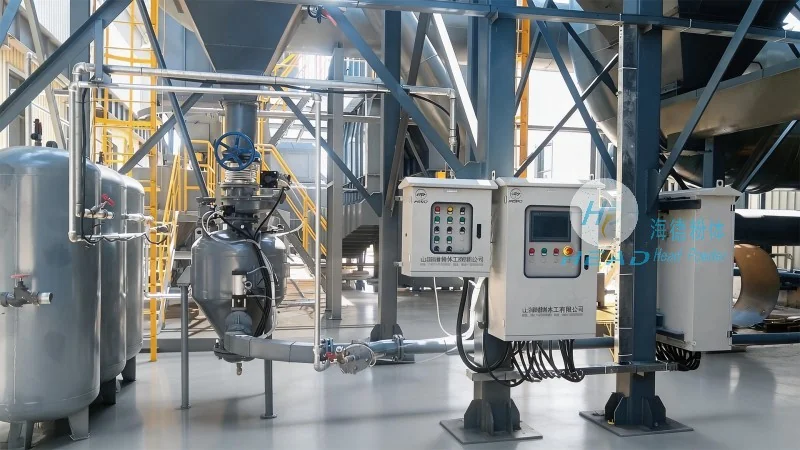
Another critical design principle is the management of dust and air quality. Manganese carbonate powder is often fine and can become airborne during handling, posing health and safety risks. Therefore, dust collection systems, such as baghouses or cartridge filters, are typically integrated into the handling system. These systems capture the powder particles from the air stream, preventing them from escaping into the environment and ensuring compliance with occupational health and safety regulations. The choice of dust collection equipment depends on the specific characteristics of the powder, including its particle size and moisture content. Shandong HeadPowder Engineering Co., Ltd. incorporates advanced dust control measures in their designs to protect both personnel and the environment.
System Integration and Process Flow
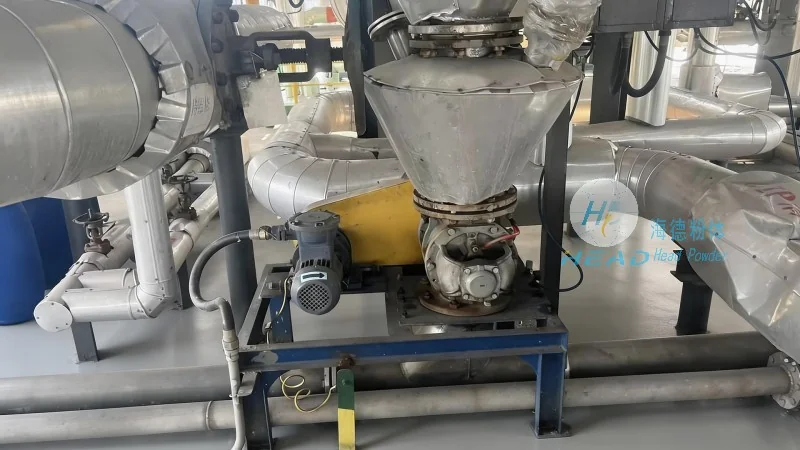
Effective manganese carbonate powder handling systems require careful integration of various components to ensure smooth material flow from storage to processing. The process typically begins with storage in silos or hoppers, where the powder is held under controlled conditions to prevent caking or degradation. From the storage silo, the powder is transferred to the conveying system, which transports it to the processing area. The design of the transfer points, such as chutes and feeders, is critical to maintain material flow and prevent blockages. Feeder systems, such as rotary valves or vibratory feeders, are used to control the flow rate of the powder from the storage vessel to the conveyor. These feeders must be designed to handle the specific characteristics of manganese carbonate, including its flowability and potential for agglomeration. The integration of these components ensures a continuous and reliable flow of material, minimizing downtime and maximizing productivity.
Material Handling Equipment Selection
The selection of appropriate handling equipment is a key aspect of system design. For manganese carbonate powder, the choice of equipment depends on factors such as the required capacity, the distance to be covered, and the desired level of automation. Pneumatic conveyors are often preferred for long-distance transport due to their ability to handle fine powders and minimize dust. However, they require a dedicated air supply system, which adds to the overall cost and complexity of the system. Screw conveyors are more cost-effective for shorter distances and bulk materials, but they may not be suitable for very fine powders that tend to clog the screw. Bucket elevators are used for vertical transport and can handle a wide range of particle sizes, but they require regular maintenance to prevent wear and tear. Shandong HeadPowder Engineering Co., Ltd. offers a range of equipment options and provides expert guidance in selecting the most suitable equipment for each application.
Control and Automation in Powder Handling Systems
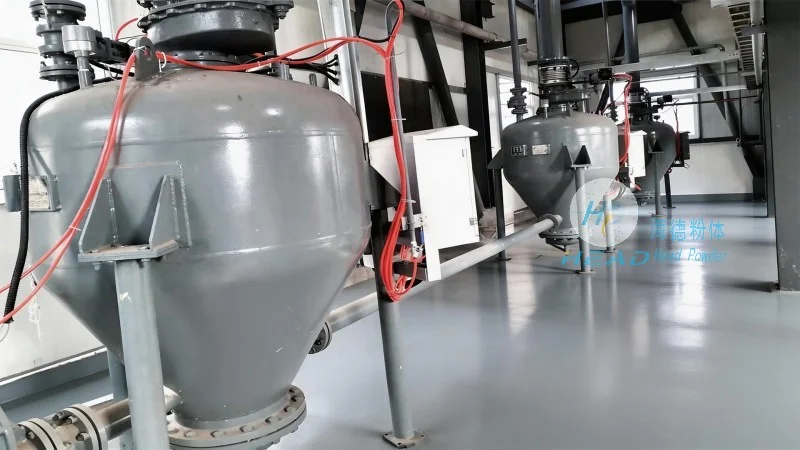
Modern manganese carbonate powder handling systems often incorporate control and automation features to enhance efficiency and safety. These systems use sensors and control panels to monitor key parameters such as flow rate, pressure, and temperature. The control system can adjust the operation of the equipment in real-time to maintain optimal performance and prevent issues such as overloading or blockages. For example, if the flow rate of the powder in a conveyor exceeds a certain threshold, the system can automatically adjust the air pressure or speed to prevent clogging. Automation also reduces the need for manual intervention, minimizing the risk of human error and improving overall system reliability. Shandong HeadPowder Engineering Co., Ltd. integrates advanced control and automation technologies into their systems, ensuring that clients can operate their powder handling processes with minimal supervision.
Conclusion and Company Overview
In conclusion, the design of an effective manganese carbonate powder handling system involves a comprehensive understanding of the material's properties, the selection of appropriate equipment, and the integration of control and safety features. The principles outlined above are essential for ensuring efficient and reliable operation, while minimizing risks and maximizing productivity. Shandong HeadPowder Engineering Co., Ltd. specializes in the design and implementation of such systems, leveraging their expertise to provide tailored solutions for clients in various industries. With a focus on quality, safety, and efficiency, HeadPowder is committed to delivering reliable powder handling solutions that meet the specific needs of each customer. Based in Shandong, China, the company serves clients worldwide, providing comprehensive support from system design to installation and maintenance.