

What is Ceramic Powder Handling? Design Principles Explained
Ceramic powder handling is a critical process in various industrial applications, particularly in the manufacturing of advanced ceramics and related materials. The efficient transport and management of these powders are essential for ensuring product quality, maintaining process consistency, and optimizing production efficiency. This article delves into the fundamental aspects of ceramic powder handling, focusing on the key design principles that underpin effective systems.
Understanding Ceramic Powder Handling
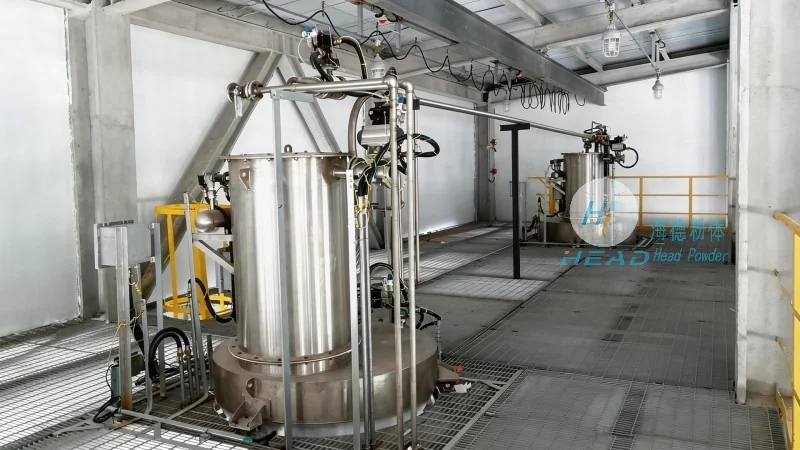
Ceramic powders are often fine, abrasive, and sensitive materials that require specialized handling techniques to prevent agglomeration, contamination, or degradation. The process involves the movement of these powders from storage to processing equipment, such as mixers, extruders, or spray dryers. Proper handling is crucial to maintain the particle size distribution, chemical composition, and physical properties of the powder, which directly impact the final product's performance.
Key Design Principles for Ceramic Powder Handling Systems
The design of ceramic powder handling systems must address several critical factors to ensure reliable operation. These principles include material compatibility, dust control, energy efficiency, and scalability. Material compatibility is paramount, as the equipment must be resistant to the abrasive and corrosive nature of ceramic powders. This often involves the use of high-quality stainless steel, special alloys, or even specialized coatings to prevent wear and maintain integrity over time.
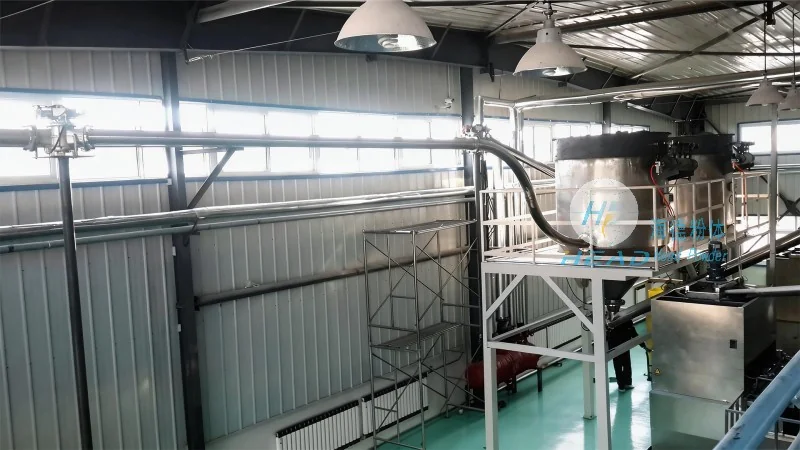
Dust control is another critical design consideration. Ceramic powders are typically fine and can generate significant airborne dust, which poses health risks and environmental concerns. Effective dust collection systems, such as baghouses or cartridge filters, are integrated into the design to capture and contain particulate matter. Additionally, the use of enclosed conveyor systems and proper sealing of equipment helps minimize dust emissions and maintain a safe working environment.
Energy efficiency is a key factor in modern powder handling systems. Designers aim to minimize energy consumption through the use of efficient motors, variable frequency drives (VFDs), and optimized conveyor designs. This not only reduces operational costs but also aligns with sustainability goals in industrial manufacturing. Scalability is another important principle, as powder handling systems need to be adaptable to changing production volumes and product specifications. Modular designs and flexible configurations allow for easy expansion or reconfiguration as production needs evolve.
Role of Shandong HeadPowder Engineering Co., Ltd. in Ceramic Powder Handling
Shandong HeadPowder Engineering Co., Ltd., commonly known as HeadPowder, is a leading provider of specialized equipment and solutions for ceramic powder handling. With a focus on innovation and customer-centric design, HeadPowder offers a range of products tailored to the unique challenges of ceramic powder processing. The company's expertise lies in developing systems that meet the highest standards of performance, reliability, and safety.
HeadPowder's approach to ceramic powder handling is rooted in a deep understanding of the material's properties and the specific requirements of various industrial applications. The company collaborates closely with clients to design customized solutions that address their unique production needs. This includes the selection of appropriate equipment, such as pneumatic conveying systems, screw conveyors, or bulk material handling solutions, based on factors like powder characteristics, production volume, and facility layout.
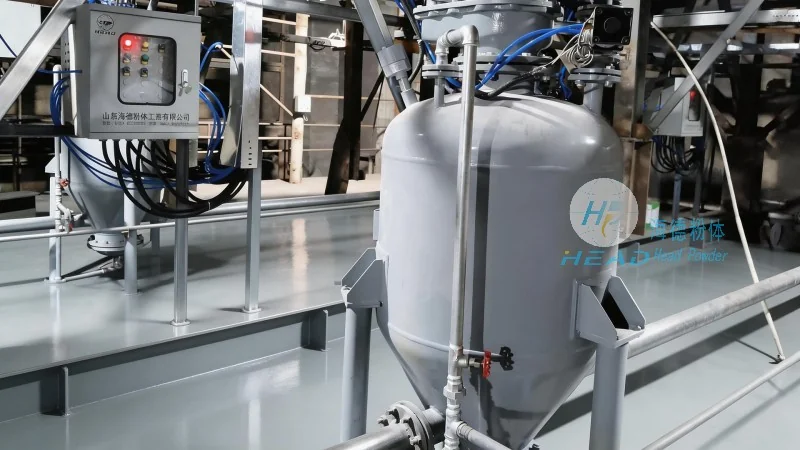
HeadPowder's commitment to quality and innovation is evident in its product offerings. The company uses advanced materials and manufacturing techniques to ensure durability and longevity of its equipment. For example, stainless steel components are often used to resist corrosion and wear, while specialized coatings enhance surface protection. The integration of smart technologies, such as sensors and monitoring systems, allows for real-time tracking of powder flow and system performance, enabling proactive maintenance and process optimization.
Addressing Common Challenges in Ceramic Powder Handling
Despite the importance of proper handling, several challenges can arise in ceramic powder processing. One common issue is the tendency of fine powders to agglomerate, which can affect their flowability and processing characteristics. To address this, HeadPowder incorporates design features that promote uniform particle distribution and prevent clumping. This may include the use of agitators, vibrators, or air classifiers to maintain the desired particle size and prevent agglomeration.
Another challenge is the risk of contamination from external sources, such as moisture or foreign particles. HeadPowder's systems are designed with tight seals and enclosed structures to minimize exposure to contaminants. Additionally, the use of cleanroom-compatible materials and processes ensures that the powder remains free from impurities, which is critical for applications requiring high purity, such as in the production of electronic ceramics or medical devices.
Operational efficiency is also a key consideration. HeadPowder's systems are engineered to minimize downtime and maximize throughput. This includes features like self-cleaning mechanisms, easy maintenance access, and integrated control systems that allow for seamless operation. By addressing these challenges, HeadPowder's solutions help clients achieve consistent product quality, reduce waste, and improve overall production efficiency.
Conclusion: The Importance of Expert Design in Ceramic Powder Handling
In conclusion, ceramic powder handling is a complex process that requires careful consideration of design principles to ensure optimal performance. The systems must be tailored to the specific characteristics of the powder and the needs of the application. Shandong HeadPowder Engineering Co., Ltd. plays a vital role in this field by providing innovative, reliable, and customized solutions that meet the highest standards of quality and efficiency. By adhering to key design principles, such as material compatibility, dust control, and energy efficiency, HeadPowder helps clients achieve their production goals while maintaining safety and sustainability in their operations.