

What is Fine Sand Powder Conveying? And What Are Its Design Principles?
HeadPowder, a leading engineering company based in Shandong, China, specializes in advanced powder handling solutions. This article explores the concept of fine sand powder conveying and the underlying design principles that enable efficient and reliable material transport. Understanding these aspects is crucial for industries dealing with fine particulate materials, as it directly impacts operational efficiency and process reliability.
Understanding Fine Sand Powder Conveying
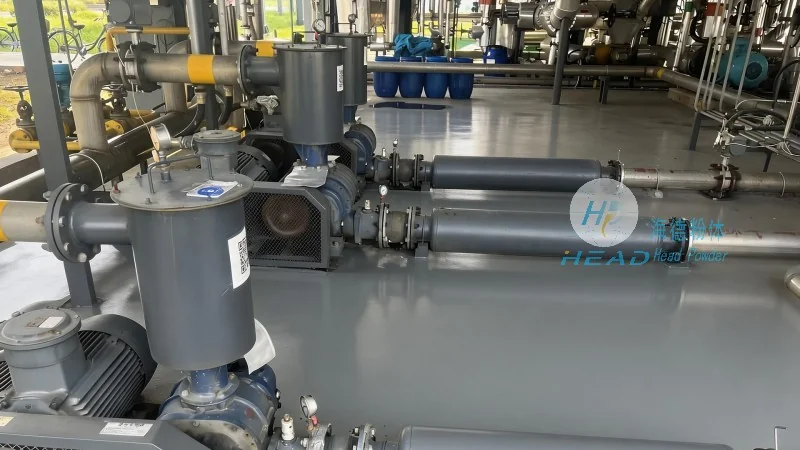
Fine sand powder conveying refers to the process of transporting fine particulate materials, such as sand with particle sizes typically ranging from 0.1 to 2 millimeters, through a system designed to handle their unique properties. Unlike bulk solids with larger particles, fine sand presents challenges due to its high density, cohesive nature, and tendency to form agglomerates or caking. Effective conveying systems must address these challenges to prevent material degradation, blockages, and system inefficiencies.
Key Design Principles for Fine Sand Powder Conveying
The design of fine sand powder conveying systems is governed by several critical principles that ensure optimal performance. First, the system must maintain a consistent flow rate and pressure to prevent material settling or clogging. This is achieved through the use of specialized components like screw conveyors, pneumatic conveyors, or hydraulic systems, each tailored to the specific characteristics of fine sand. Second, the design must consider the material's moisture content and particle size distribution, as these factors influence the conveying velocity and energy requirements. For instance, finer particles may require higher air velocities in pneumatic systems to prevent deposition.
Components and Technologies in Fine Sand Conveying Systems
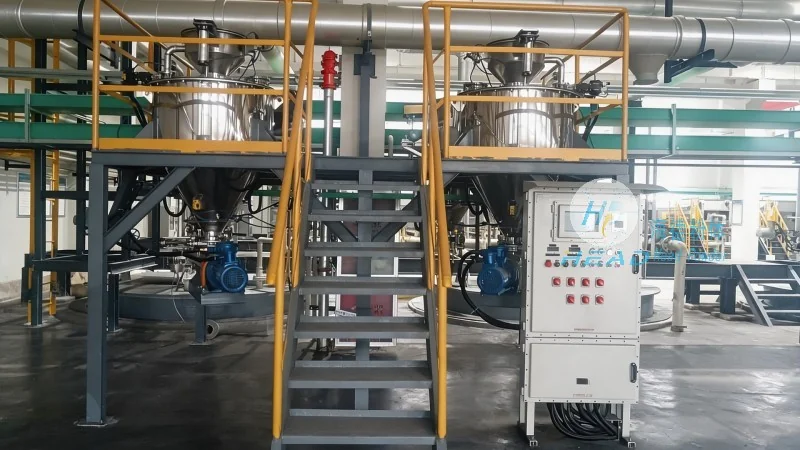
Modern fine sand powder conveying systems incorporate a range of components and technologies to enhance performance. Screw conveyors, for example, use rotating screws to push material forward, which is effective for horizontal or slight incline transport. However, for vertical or long-distance conveying, pneumatic systems utilizing positive or negative pressure are often preferred. These systems employ air or gas to transport the material through pipelines, with the choice of pressure type depending on the material's density and the system's layout. Additionally, the use of vibration or agitation devices can help break up agglomerates and maintain material flow, particularly in systems with high moisture content.
Applications and Industry Impact
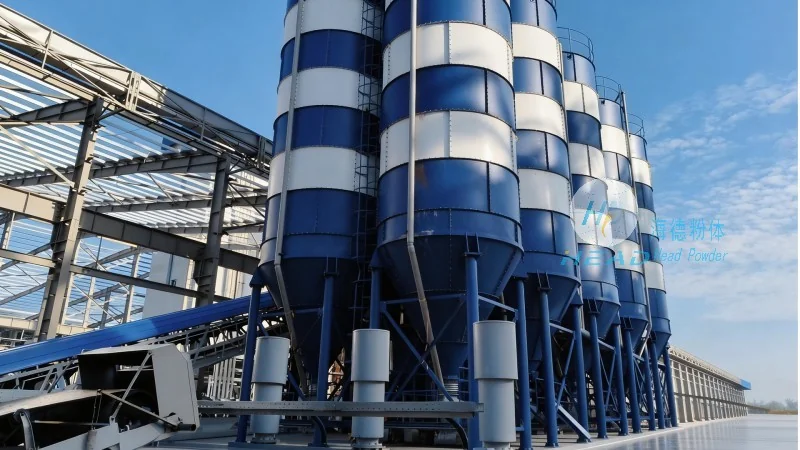
Fine sand powder conveying is widely used in various industries, including construction, mining, and chemical processing. In construction, it is essential for transporting sand used in concrete production, where consistent particle size and moisture content are critical for achieving desired strength and workability. In mining operations, fine sand is often a byproduct of ore processing, and efficient conveying systems help recover and reuse this material, reducing waste and operational costs. The chemical industry also relies on fine sand conveying for processes involving catalysts or filtration media, where uniform material distribution is vital for process efficiency.
Challenges and Solutions in Fine Sand Conveying
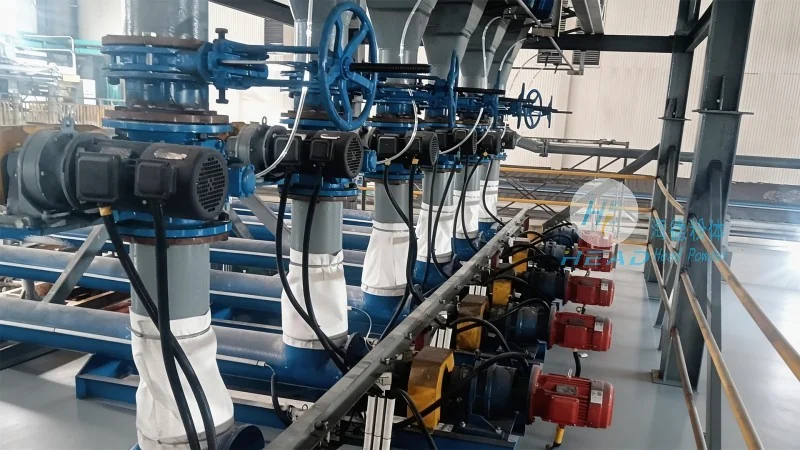
Despite advancements in technology, fine sand powder conveying still faces challenges such as material degradation, system maintenance, and energy consumption. Degradation can occur due to excessive shear forces or high temperatures, which may affect the material's properties. To mitigate this, designers often incorporate wear-resistant materials and low-shear components in the system. Maintenance is another critical aspect, as fine sand can accumulate in system components, leading to increased wear and potential blockages. Regular cleaning and the use of self-cleaning mechanisms can help maintain system performance. Energy consumption is also a concern, especially in large-scale operations. Optimizing air velocity, using energy-efficient motors, and implementing variable speed drives can help reduce energy costs while maintaining conveying efficiency.
Conclusion
HeadPowder Engineering Co., Ltd., with its headquarters in Shandong, China, provides comprehensive solutions for fine sand powder conveying systems. By adhering to the key design principles and leveraging advanced technologies, the company ensures that its systems meet the demanding requirements of various industries. From material handling to process optimization, fine sand powder conveying plays a vital role in enhancing operational efficiency and product quality. As industries continue to evolve, the importance of reliable and efficient conveying systems will only grow, making it essential for companies to invest in robust solutions that address the unique challenges of fine particulate materials.