

Common Graphite Conveying Methods: Comparison of Advantages and Disadvantages
Graphite, a versatile material widely used in various industrial applications, requires efficient and reliable conveying systems to ensure smooth production processes. The choice of conveying method significantly impacts operational efficiency, material integrity, and overall cost-effectiveness. This article provides a detailed comparison of common graphite conveying methods, highlighting their advantages and disadvantages to assist industries in selecting the most suitable solution for their specific needs.
Introduction to Graphite Conveying
Graphite is known for its unique properties, including high thermal conductivity, electrical conductivity, and chemical resistance. These characteristics make it essential in sectors such as refractory materials, lubricants, and battery technology. However, due to its fine particle size and cohesive nature, transporting graphite efficiently can be challenging. Proper conveying systems not only enhance productivity but also maintain the material's quality, preventing agglomeration and degradation during handling.
Common Graphite Conveying Methods
Several methods are commonly employed for graphite transportation, each with distinct characteristics. The selection depends on factors like material properties, production scale, and environmental considerations. Below is an analysis of the most prevalent graphite conveying techniques.
Screw Conveyors (Auger Conveyors)
Screw conveyors, also known as auger conveyors, are widely used for graphite transport due to their simplicity and effectiveness. These systems consist of a rotating helical screw inside a tube, which moves material forward through the rotation. The primary advantages of screw conveyors include their ability to handle a wide range of particle sizes, minimal space requirements, and the capability to operate in both horizontal and inclined configurations. They are particularly suitable for transporting dry, free-flowing graphite powders without the need for additional components like belts or hoses.
However, screw conveyors have limitations. They are not ideal for conveying abrasive or highly cohesive graphite, as the screw and housing can experience wear over time. Additionally, they may not be suitable for large-scale operations due to potential blockages and the need for regular maintenance. The material's tendency to stick to the screw surface can also lead to uneven flow and reduced efficiency.
Pneumatic Conveying Systems
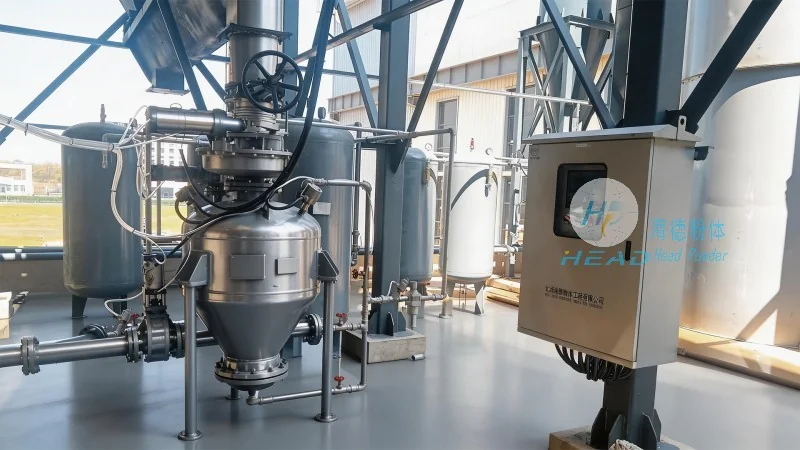
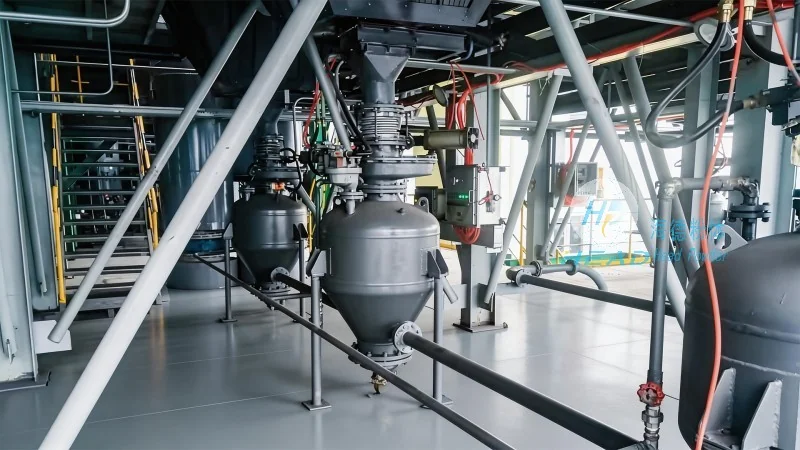
Pneumatic conveying systems use air or other gases to transport graphite particles through a pipeline. This method is particularly effective for fine powders and can be categorized into two main types: pressure and vacuum systems. Pressure systems push material using compressed air, while vacuum systems draw material using a vacuum pump. The primary advantage of pneumatic conveying is its ability to transport graphite over long distances without the need for mechanical components at the receiving end. It also allows for enclosed handling, reducing dust emissions and improving safety.
Despite these benefits, pneumatic conveying has drawbacks. The system requires significant energy input to maintain air pressure or vacuum, leading to higher operational costs. Additionally, it may not be suitable for very fine or highly abrasive graphite, as the particles can cause erosion of the pipeline and components. The system's efficiency can also be affected by the moisture content of the graphite, as moisture can lead to blockages and reduced conveying capacity.
Belt Conveyors
Belt conveyors are another common method for graphite transport, especially in bulk handling applications. These systems use a continuous belt that moves over rollers or idlers to transport material from one point to another. The primary advantage of belt conveyors is their high capacity and ability to handle large volumes of graphite efficiently. They are also suitable for long-distance transport and can be integrated with other processing equipment, such as crushers or classifiers.
However, belt conveyors have limitations. They require more space compared to screw or pneumatic systems and are more susceptible to material buildup and spillage. The belts themselves can be damaged by abrasive graphite particles, leading to higher maintenance costs and potential downtime. Additionally, they may not be suitable for very fine powders, as the material can slip on the belt surface, reducing the conveying efficiency.
Bucket Elevators
Bucket elevators are vertical or inclined conveyors that use a chain or belt with attached buckets to transport graphite vertically. This method is particularly effective for vertical or steep incline transport, allowing for efficient movement of material from lower to higher levels. The primary advantage of bucket elevators is their ability to handle large volumes of material with minimal floor space. They are also suitable for transporting abrasive or cohesive materials, as the buckets provide a secure grip on the graphite.
However, bucket elevators have limitations. They are more complex and expensive to install compared to other systems. The vertical movement can also cause material degradation due to the impact of buckets on the material. Additionally, they may not be suitable for very fine powders, as the material can fall through the buckets or cause blockages in the system.
Comparison Summary
When selecting a graphite conveying method, it is essential to consider the specific characteristics of the material and the operational requirements. Screw conveyors are ideal for small to medium-scale operations with dry, free-flowing graphite. Pneumatic conveying is suitable for enclosed handling and long-distance transport of fine powders. Belt conveyors are best for bulk handling and large-scale operations. Bucket elevators are effective for vertical transport but may not be cost-effective for small-scale applications.
Each method has its strengths and weaknesses, and the choice should be based on a thorough evaluation of factors such as material properties, production scale, energy consumption, and maintenance requirements. By understanding these aspects, industries can optimize their graphite conveying processes and enhance overall operational efficiency.