

What is a tailings slurry powder conveying system? What are its design principles?
Understanding the tailings slurry powder conveying system is crucial for industries dealing with mineral processing and waste management. This system is specifically designed to handle the transportation of tailings, which are the byproducts of mining operations. The efficient movement of these materials is essential for maintaining operational efficiency and ensuring environmental compliance. In this article, we will explore the fundamental aspects of such a system, including its design principles and the key components that make it effective.
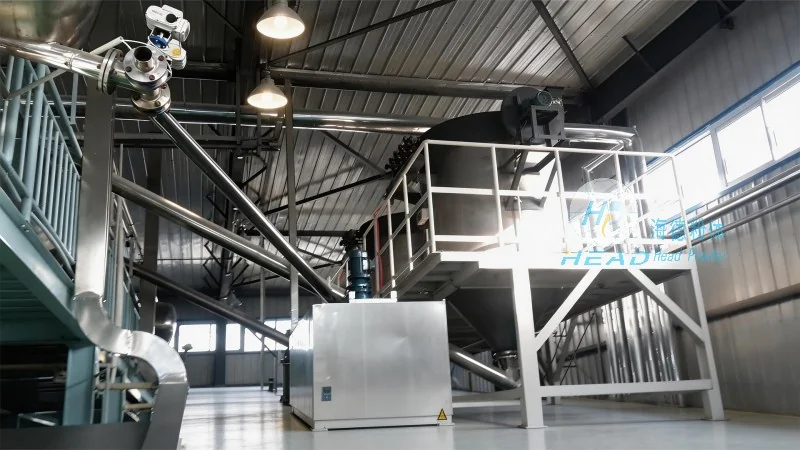
Introduction to Tailings Slurry Powder Conveying Systems
A tailings slurry powder conveying system is a specialized piece of equipment used in the mining and mineral processing industry. Tailings are the solid waste materials that remain after the extraction of valuable minerals from ores. These materials are often in a slurry form, requiring a robust system to transport them from the processing plant to disposal or reclamation sites. The system typically involves the use of pipelines, pumps, and other machinery to ensure the safe and efficient movement of these materials. The primary goal is to minimize the environmental impact of tailings disposal while optimizing the operational performance of the mining facility.
About HeadPowder: Shandong HeadPowder Engineering Co., Ltd.
HeadPowder, formally known as Shandong HeadPowder Engineering Co., Ltd., is a leading provider of engineering solutions for the mineral processing and waste management sectors. With its headquarters located in Shandong, China, the company specializes in the design, manufacturing, and installation of advanced conveying systems for various industrial applications. HeadPowder has built a strong reputation for delivering high-quality, reliable equipment that meets the stringent requirements of modern mining operations. The company's expertise lies in understanding the unique challenges of tailings management and developing tailored solutions that enhance operational efficiency and sustainability.
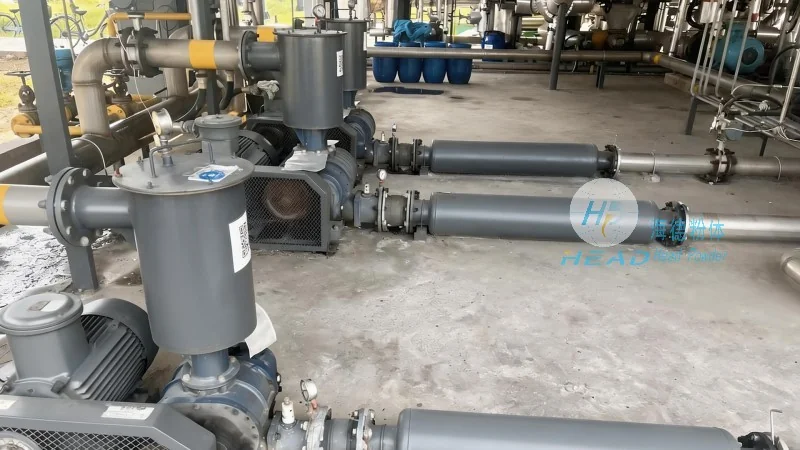
Design Principles of Tailings Slurry Powder Conveying Systems
The design of a tailings slurry powder conveying system is based on several key principles that ensure its effectiveness and reliability. One of the most critical aspects is the selection of appropriate materials for the pipelines and components. Since tailings slurries can be abrasive and corrosive, the system must be constructed from durable materials such as stainless steel or specialized alloys to withstand the harsh conditions. Another important principle is the proper sizing of the pipeline and the selection of the right pump type. The system must be able to handle the specific flow rates and pressure requirements of the slurry, which vary depending on the composition and density of the tailings.
Control systems play a vital role in the operation of the conveying system. Advanced control technologies are used to monitor the flow, pressure, and level of the slurry in real-time. This allows operators to make adjustments as needed, ensuring smooth and continuous operation. The control system also includes safety features to prevent overpressure or blockages, which could lead to equipment damage or environmental hazards. Additionally, the design incorporates measures to minimize energy consumption and reduce operational costs, making the system economically viable for long-term use.
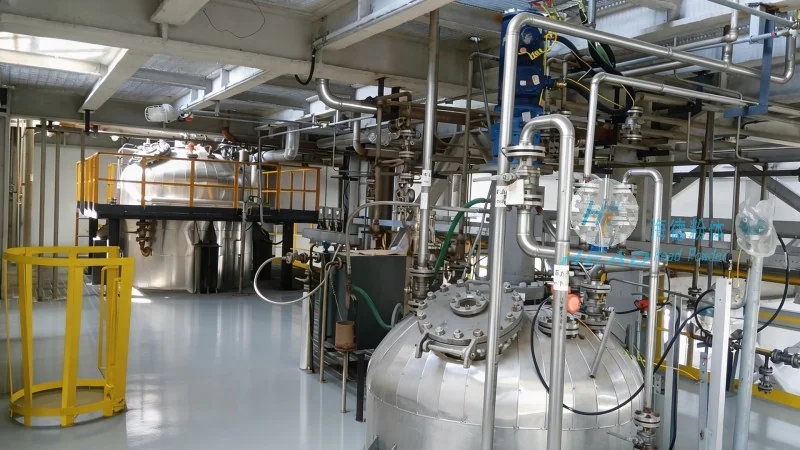
Key Components and Their Functions
The tailings slurry powder conveying system consists of several key components, each with a specific function. The pipeline network is the main conduit for transporting the slurry from the processing plant to the disposal site. The pipelines are typically made of flexible or rigid materials, depending on the application and the distance to be covered. Pumps are used to move the slurry through the pipeline, providing the necessary pressure to overcome friction and elevation changes. There are different types of pumps available, such as centrifugal pumps or positive displacement pumps, each suitable for different slurry characteristics.
Valves and fittings are essential for controlling the flow and direction of the slurry within the system. These components allow operators to start, stop, or redirect the flow as required. The system may also include filters or screens to remove large debris or solids from the slurry, preventing blockages in the pipeline. Additionally, monitoring equipment, such as flow meters and pressure gauges, provides real-time data on the system's performance, enabling proactive maintenance and troubleshooting.
Benefits and Applications
The implementation of a tailings slurry powder conveying system offers numerous benefits to mining operations. By efficiently transporting tailings, the system reduces the need for heavy machinery and manual labor, improving safety and operational efficiency. The use of a centralized system also minimizes the environmental impact by preventing the spread of tailings and reducing the risk of contamination. Furthermore, the system can be integrated with other processes, such as water treatment and reclamation, to create a more sustainable mining operation.
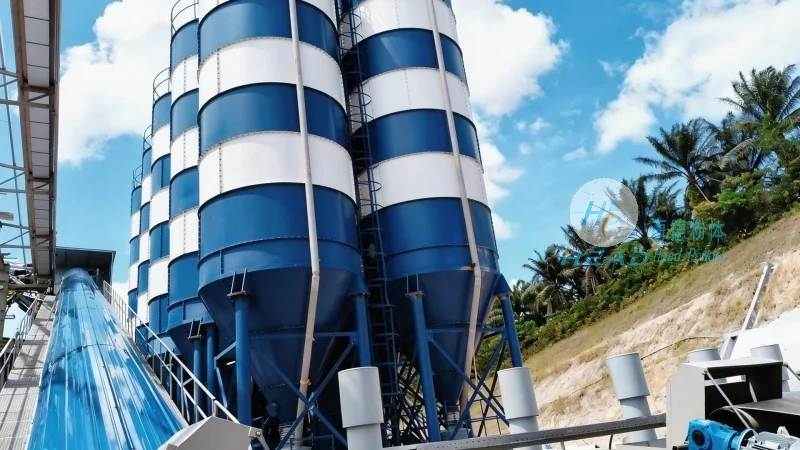
These systems are widely used in various mining applications, including gold, copper, and iron ore processing. They are particularly valuable in remote or challenging environments where traditional transportation methods are impractical. The adaptability of the system allows it to be customized to meet the specific needs of different mining projects, ensuring optimal performance and cost-effectiveness.
Conclusion
In conclusion, the tailings slurry powder conveying system is a critical component of modern mining operations. Its design principles, based on durability, efficiency, and safety, ensure that it can effectively handle the transportation of tailings while minimizing environmental impact. Companies like HeadPowder play a vital role in providing these advanced systems, contributing to the sustainable development of the mining industry. By understanding the design and functionality of such systems, stakeholders can make informed decisions to enhance operational performance and environmental responsibility.