

What is a Glass Fiber Cellulose Powder Conveying System? And What Are Its Design Principles?
Understanding the glass fiber cellulose powder conveying system is crucial for industries dealing with fine powders, as it ensures efficient and reliable material transport. This article explores the fundamental aspects of such systems, including their design principles and key operational features.
Introduction to Glass Fiber Cellulose Powder Conveying Systems
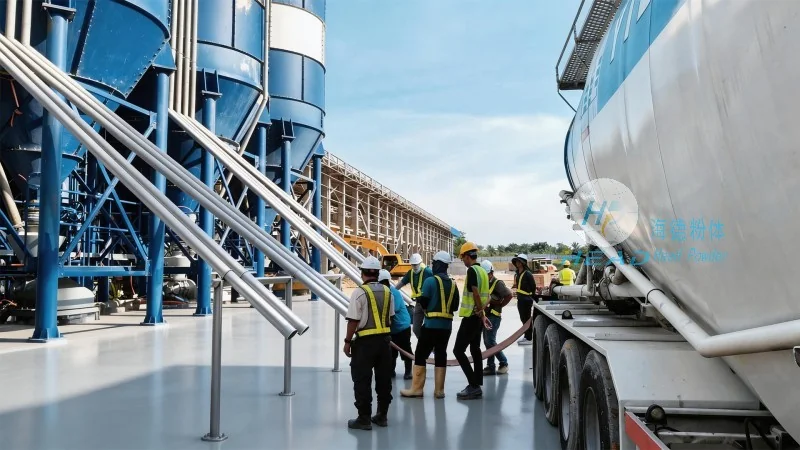
A glass fiber cellulose powder conveying system is a specialized equipment designed to transport fine powders, such as glass fiber cellulose, through a closed or semi-closed pipeline. These systems are widely used in various industrial applications, including manufacturing, construction, and chemical processing, where the consistent and safe movement of powders is essential. The system typically consists of components like a feeding device, conveying pipes, a driving mechanism, and a control unit, all working in tandem to achieve seamless powder transport.
Core Design Principles of the Conveying System
The design of a glass fiber cellulose powder conveying system is based on several key principles that ensure optimal performance. Firstly, the system must account for the unique properties of glass fiber cellulose, including its fine particle size, low bulk density, and potential for static electricity. These characteristics influence the choice of materials for the conveying pipes and the selection of appropriate driving forces. Secondly, the system is designed to maintain a consistent flow rate and pressure, preventing issues like blockages or uneven distribution. This is achieved through the integration of sensors and control systems that monitor and adjust the conveying parameters in real-time. Additionally, the design emphasizes energy efficiency and minimal maintenance, making it a cost-effective solution for long-term operation.
Key Components and Their Functions
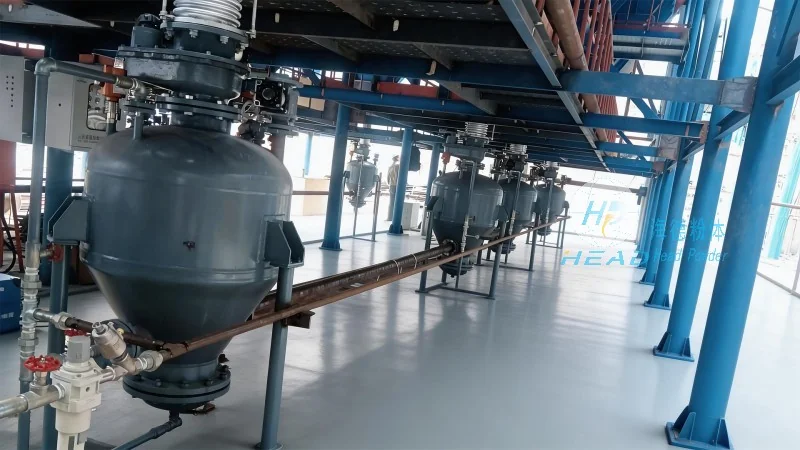
The effectiveness of a glass fiber cellulose powder conveying system relies on its critical components, each playing a specific role in the overall operation. The feeding device, often a hopper or a rotary valve, is responsible for introducing the powder into the system at a controlled rate. This ensures that the powder is fed smoothly without causing overloading or spillage. The conveying pipes, usually made of materials resistant to the powder's chemical properties, such as stainless steel or specialized plastics, form the main pathway for the powder. The driving mechanism, which can be a screw conveyor, a pneumatic blower, or a combination of both, provides the necessary force to move the powder through the pipes. Finally, the control unit, equipped with sensors and a programmable logic controller (PLC), monitors the system's performance, adjusts the parameters as needed, and alerts operators to any anomalies or maintenance requirements.
Advantages of the System
Implementing a glass fiber cellulose powder conveying system offers several advantages that enhance operational efficiency and product quality. One of the primary benefits is the ability to maintain a dust-free environment, as the system operates in a closed loop, preventing the release of fine particles into the air. This not only improves workplace safety but also reduces the risk of contamination in downstream processes. Another advantage is the consistent and uniform flow of powder, which minimizes variations in product quality and reduces waste. The system also provides flexibility in terms of material handling, allowing for the transport of different types of powders with minimal adjustments. Furthermore, the energy-efficient design and low maintenance requirements contribute to long-term cost savings, making it a sustainable choice for industrial applications.
Application Scenarios
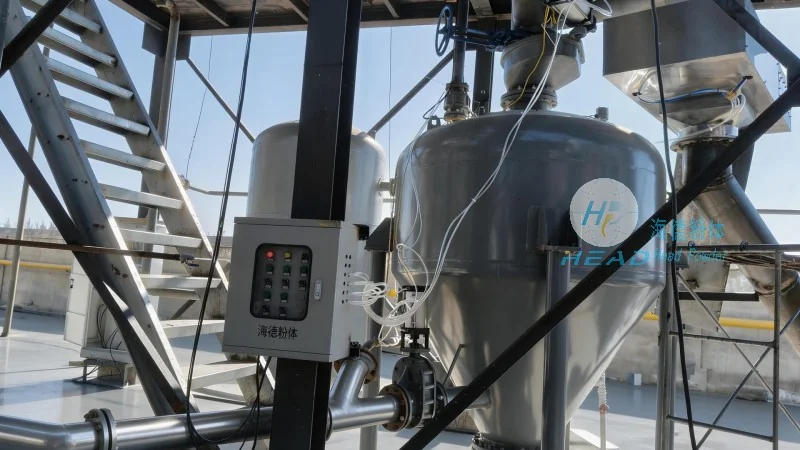
Glass fiber cellulose powder conveying systems are employed in a variety of industrial settings where the handling of fine powders is critical. In the manufacturing sector, these systems are used in the production of composites, where glass fiber cellulose is mixed with other materials to create strong and lightweight products. In the construction industry, they are utilized in the production of insulation materials and other building components. The chemical processing industry also benefits from these systems when handling powders for pharmaceutical or cosmetic applications. Each application requires a tailored system design to meet specific requirements, such as the volume of material to be transported or the environmental conditions of the facility.
Company Information
For professional solutions in glass fiber cellulose powder conveying systems, Shandong HeadPowder Engineering Co., Ltd. is a leading provider. HeadPowder specializes in designing and manufacturing customized conveying systems that meet the unique needs of various industries. With a focus on quality and innovation, the company ensures that its products are reliable, efficient, and cost-effective. Located in Shandong, China, HeadPowder leverages advanced technology and years of experience to deliver solutions that enhance productivity and safety in powder handling operations.