

What is the aminoacetic acid powder conveying equipment and what are its design principles?
For industries dealing with aminoacetic acid powder, efficient and reliable conveying equipment is essential to maintain production efficiency and product quality. This article explores the aminoacetic acid powder conveying equipment, detailing its design principles and operational mechanisms to help users understand its functionality and benefits.
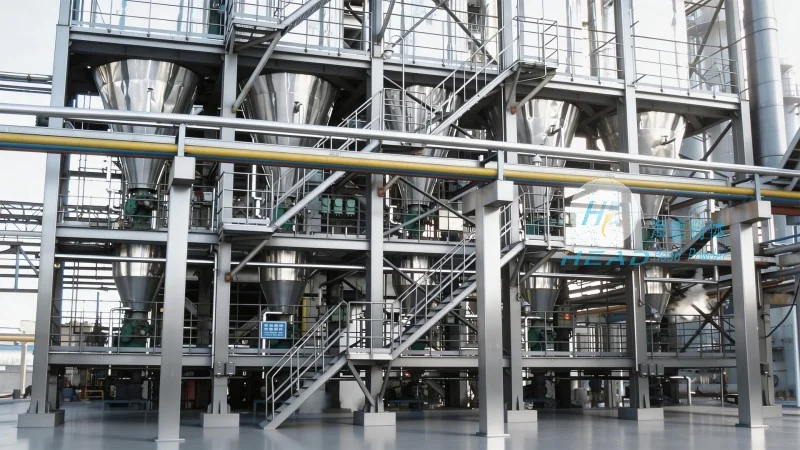
Aminoacetic Acid Powder Conveying Equipment Overview
HeadPowder, a leading manufacturer based in Shandong, China, specializes in providing high-quality powder handling solutions. The aminoacetic acid powder conveying equipment is engineered to handle the unique challenges of transporting fine powders like aminoacetic acid, ensuring minimal product degradation and consistent flow rates. This equipment is designed to meet the specific requirements of various industrial applications, from chemical processing to pharmaceutical manufacturing.
Design Principles of the Aminoacetic Acid Powder Conveying Equipment
The design of the aminoacetic acid powder conveying equipment is centered on several key principles to ensure optimal performance. First, the equipment incorporates a robust material selection process, using corrosion-resistant materials that are compatible with aminoacetic acid to prevent contamination and equipment wear. Second, the system is engineered with a focus on minimizing particle attrition and agglomeration, which are critical for maintaining the powder's quality and flow characteristics. Third, the design emphasizes energy efficiency and operational reliability, incorporating advanced control systems to regulate conveying speed and pressure. These principles collectively ensure that the equipment can handle the delicate nature of aminoacetic acid powder while maintaining high throughput and product integrity.
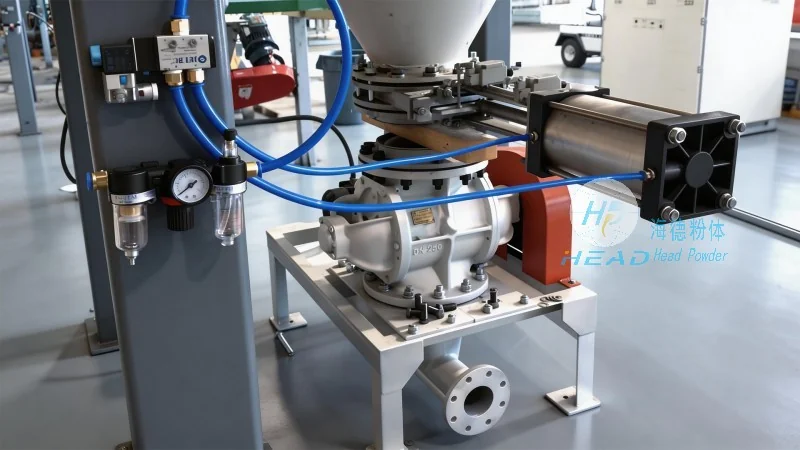
Key Components and Operational Mechanisms
The aminoacetic acid powder conveying equipment consists of several interconnected components, each playing a vital role in the overall conveying process. The primary components include a hopper for material storage, a feeder to control the flow rate, a conveying tube or duct, and a discharge mechanism. The hopper is designed with a smooth interior to prevent powder buildup and ensure uniform feeding. The feeder, often a rotary valve or screw feeder, regulates the amount of powder entering the conveying system, preventing overloading and maintaining consistent flow. The conveying tube is typically made of flexible or rigid material, depending on the application, and is equipped with a blower or air compressor to create the necessary airflow for powder transport. The discharge mechanism ensures that the powder is released at the desired location without causing blockages or spillage. Each component is carefully engineered to work in harmony, ensuring smooth and efficient powder transfer.
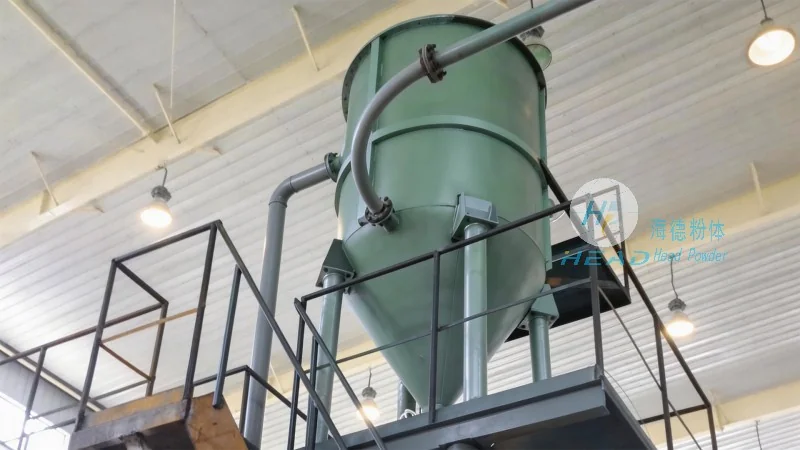
Applications and Benefits
The aminoacetic acid powder conveying equipment is widely used in various industries where fine powders need to be transported efficiently. In the chemical industry, it is used for transporting aminoacetic acid to reactors and processing units, ensuring a steady supply of raw material. In pharmaceutical manufacturing, the equipment is crucial for transporting aminoacetic acid to production lines, maintaining the purity and quality of the final product. The benefits of using this equipment include improved production efficiency, reduced product loss, and enhanced safety by minimizing manual handling of powders. Additionally, the equipment's design minimizes dust generation, contributing to a cleaner and safer working environment.
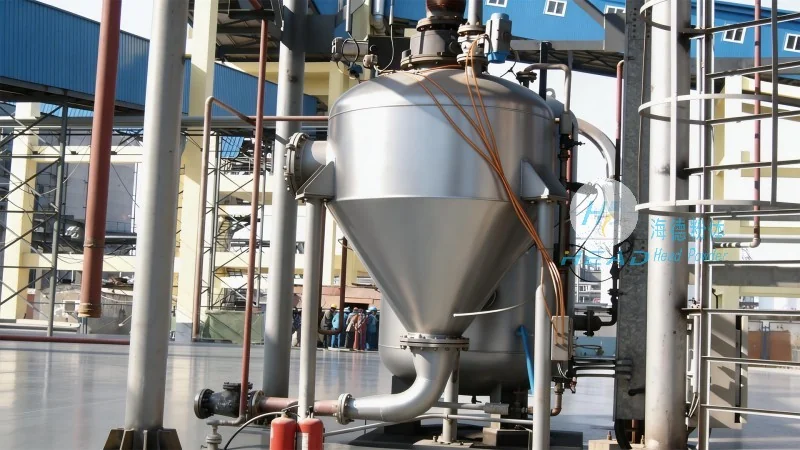
Maintenance and Operational Considerations
To ensure the long-term performance and reliability of the aminoacetic acid powder conveying equipment, regular maintenance is essential. This includes cleaning the hopper and conveying tube to prevent powder buildup, inspecting the feeder and blower for wear and tear, and checking the control systems for proper functionality. Proper maintenance not only extends the equipment's lifespan but also ensures consistent performance and product quality. Additionally, operators should be trained on the proper operation and safety procedures to prevent accidents and equipment damage. By following these guidelines, users can maximize the equipment's efficiency and minimize downtime.
Conclusion
The aminoacetic acid powder conveying equipment from Shandong HeadPowder Engineering Co., Ltd. is a reliable and efficient solution for handling fine powders in various industrial applications. Its design principles, focusing on material compatibility, minimal particle degradation, and energy efficiency, make it an ideal choice for industries dealing with aminoacetic acid. By understanding the equipment's components and operational mechanisms, users can optimize its performance and ensure consistent product quality. With proper maintenance and operation, this equipment can significantly enhance production efficiency and contribute to the overall success of industrial processes.