

What is a Pharmaceutical Powder Handling Line? And What Are Its Design Principles?
Pharmaceutical powder handling lines are specialized systems engineered to manage, transport, and process powders used in pharmaceutical manufacturing. These systems are critical for ensuring the safe, efficient, and compliant handling of active pharmaceutical ingredients (APIs) and excipients. The design of such lines adheres to stringent regulatory standards, particularly those set by agencies like the FDA and EMA, to maintain product quality and patient safety. A well-designed powder handling line integrates various components, including feeders, conveyors, classifiers, and storage vessels, to achieve seamless material flow while minimizing contamination risks.
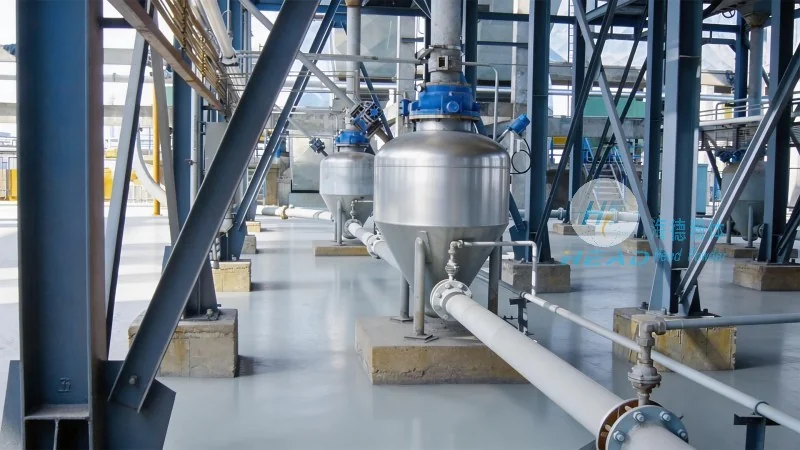
About HeadPowder: Your Trusted Partner in Pharmaceutical Engineering
HeadPowder, a division of Shandong HeadPowder Engineering Co., Ltd., is a leading provider of customized pharmaceutical processing solutions. With a strong presence in China, particularly in Shandong, HeadPowder specializes in designing and manufacturing advanced powder handling systems tailored to the unique needs of the pharmaceutical industry. The company’s expertise lies in integrating cutting-edge technology with regulatory compliance, ensuring that every solution meets or exceeds industry standards. Clients benefit from HeadPowder’s comprehensive approach, which includes design, installation, and ongoing support to optimize their powder handling operations.
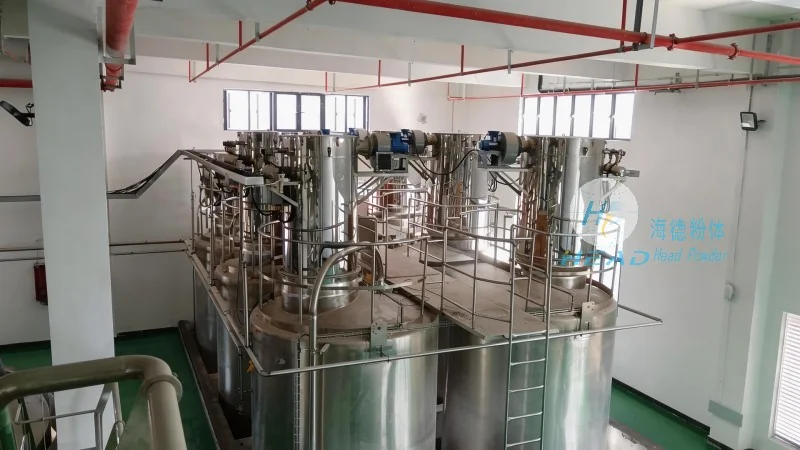
Key Design Principles of Pharmaceutical Powder Handling Lines
The design of a pharmaceutical powder handling line is governed by several fundamental principles aimed at maintaining product integrity and operational efficiency. First, containment is paramount to prevent cross-contamination and environmental exposure. This is achieved through the use of closed systems, airtight connections, and positive pressure or negative pressure zones, depending on the material being handled. Second, material flow optimization is critical to minimize product degradation and ensure consistent dosing. This involves selecting appropriate feeders (such as loss-in-weight or volumetric feeders) and conveyors (like pneumatic or mechanical systems) that match the powder’s properties. Third, scalability and flexibility are essential for adapting to changing production volumes or product lines. Modular designs allow for easy expansion or reconfiguration without disrupting ongoing operations. Finally, automation and control systems play a vital role in enhancing process reliability and reducing human error. These systems enable real-time monitoring, data logging, and remote operation, ensuring that every step of the powder handling process is traceable and compliant.
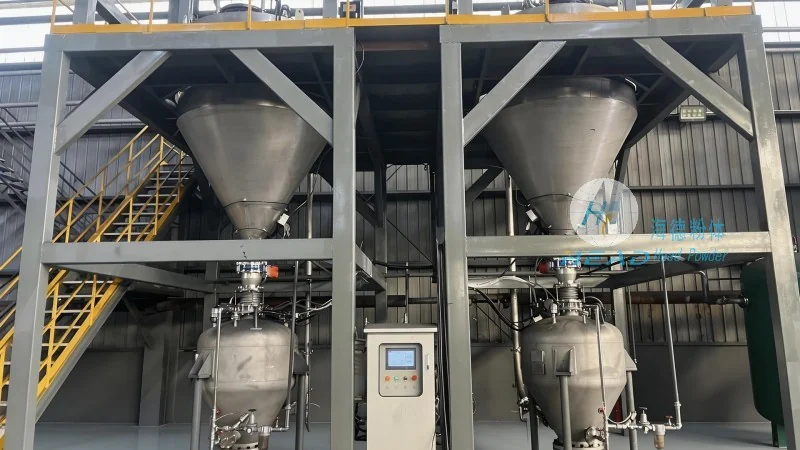
Components and Their Roles in a Pharmaceutical Powder Handling Line
A pharmaceutical powder handling line typically consists of several interconnected components, each serving a specific function to ensure smooth material flow. The primary components include: 1. Feeders: These devices accurately measure and discharge powder at a controlled rate. Loss-in-weight feeders are commonly used for precise dosing, while volumetric feeders are suitable for bulk handling. 2. Conveyors: Conveyors transport the powder from one point to another within the system. Pneumatic conveyors use air to move powder, while mechanical conveyors (like screw or belt conveyors) are used for bulkier materials. 3. Classifiers: Classifiers separate powder particles based on size, shape, or density, ensuring that only the desired particle size is processed. 4. Storage Vessels: These vessels store raw materials or intermediate products, often equipped with agitators to prevent caking or segregation. 5. Dosing and Mixing Equipment: These components combine the powder with other ingredients or liquids to form formulations. 6. Control Systems: These systems monitor and control the entire process, ensuring that all parameters remain within specified limits. Each component is carefully selected and integrated to create a cohesive system that meets the specific requirements of the pharmaceutical application.
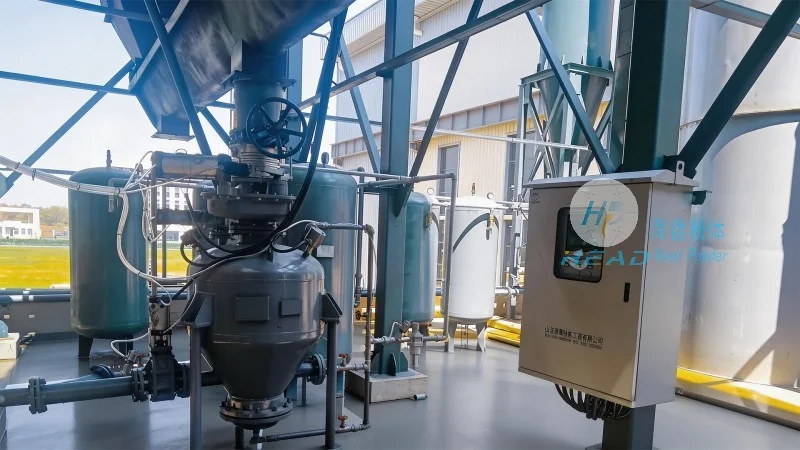
Ensuring Compliance and Quality in Pharmaceutical Powder Handling
Compliance with regulatory standards is a non-negotiable aspect of pharmaceutical powder handling. The design and operation of these lines must adhere to guidelines such as ICH Q7 for active pharmaceutical ingredients and GMP (Good Manufacturing Practice) for manufacturing processes. Key compliance considerations include: 1. Preventing cross-contamination: Systems must be designed to isolate different materials and prevent the transfer of contaminants. 2. Maintaining product integrity: Temperature, humidity, and particle size must be controlled to prevent degradation. 3. Ensuring traceability: Every step of the process must be documented and traceable, from raw material receipt to final product release. 4. Minimizing operator exposure: Enclosed systems and automation reduce the risk of exposure to powders, enhancing workplace safety. HeadPowder’s expertise in regulatory compliance ensures that their powder handling lines not only meet current standards but are also designed for future regulatory changes, providing clients with long-term value and peace of mind.