

What is a Cottonseed Powder Conveying Line? And What Are Its Design Principles?
Welcome to Shandong HeadPowder Engineering Co., Ltd., a leading provider of specialized conveying solutions for the agricultural and food processing industries. In this article, we will explore the concept of a cottonseed powder conveying line and delve into the fundamental design principles that underpin its operation. As a company dedicated to engineering excellence, HeadPowder specializes in creating efficient, reliable systems tailored to the unique challenges of handling cottonseed powder and other similar bulk materials.
Understanding the Cottonseed Powder Conveying Line
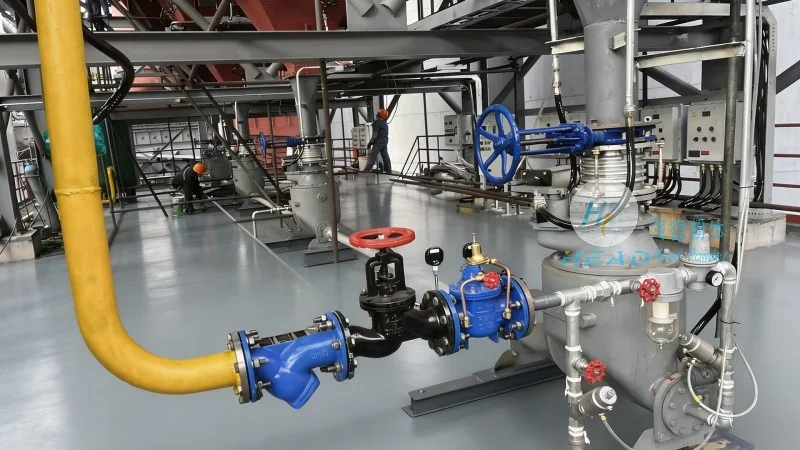
A cottonseed powder conveying line is a specialized system designed to transport cottonseed powder from one location to another within a processing facility. This type of equipment is crucial in industries such as oil extraction, where the efficient movement of raw materials is essential for maintaining production efficiency and minimizing downtime. The system typically consists of several key components, including hoppers, conveyors, and control mechanisms, all working in tandem to ensure the smooth and continuous flow of material.
Key Components of a Cottonseed Powder Conveying Line
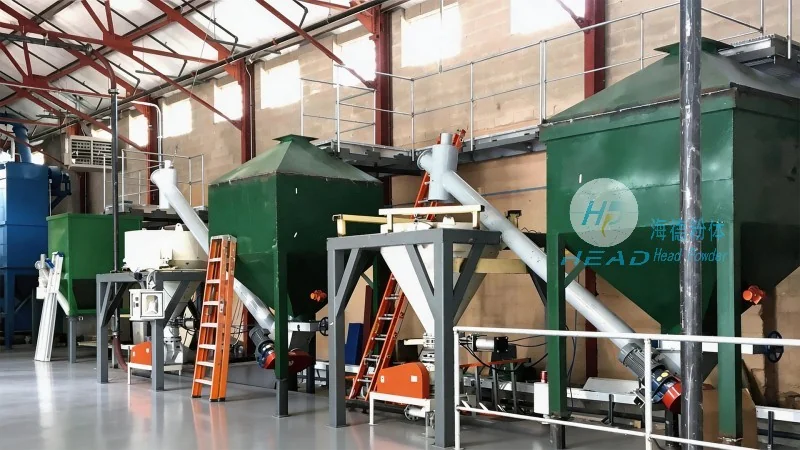
The core components of a cottonseed powder conveying line are engineered to handle the specific properties of cottonseed powder, which can vary in terms of particle size, moisture content, and bulk density. The system begins with a hopper, which serves as the storage and feeding unit. This hopper is designed with a sloped bottom to facilitate the flow of powder into the conveyor system. The choice of hopper material, often stainless steel or other corrosion-resistant alloys, is critical to prevent contamination and ensure durability in environments where cottonseed powder may be acidic or prone to moisture absorption.
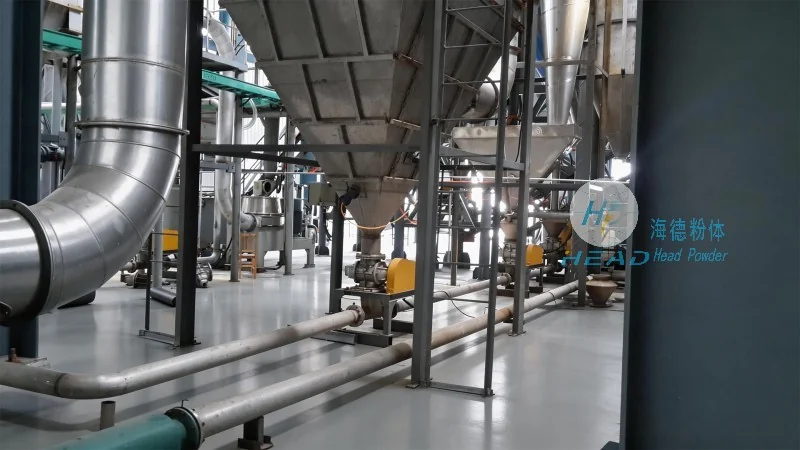
Following the hopper is the conveyor itself, which can take various forms depending on the specific application. Common types include screw conveyors, pneumatic conveyors, and bucket elevators. Screw conveyors are particularly effective for moving cottonseed powder in a continuous, low-speed manner, minimizing product degradation and ensuring gentle handling. Pneumatic conveyors, on the other hand, use air pressure to transport the powder through a pipeline, offering flexibility in routing and the ability to handle longer distances or multiple destinations. The selection of the conveyor type is based on factors such as the material's flow characteristics, the required throughput, and the space constraints of the facility.
Design Principles for Efficient Material Handling
The design of a cottonseed powder conveying line is guided by several key principles aimed at optimizing performance, reliability, and safety. One of the primary principles is the minimization of material degradation during transport. This is achieved through the use of gentle handling mechanisms, such as slow-moving screw conveyors or air-assisted systems that reduce impact and friction. Additionally, the system is designed to maintain consistent material flow rates, which helps prevent clogging and ensures that downstream processes receive a steady supply of raw material.
Another critical design principle is the consideration of material properties and their impact on system performance. Cottonseed powder can be sensitive to moisture, temperature, and pressure changes, which can affect its flowability and cause issues like bridging or segregation. To address these challenges, the conveying line incorporates features such as aeration systems, temperature control, and vibration mechanisms to maintain optimal material conditions. For example, aeration can be used to prevent the buildup of static electricity, which is a common issue in powder handling and can lead to dust explosions.
Control and Monitoring Systems
Modern cottonseed powder conveying lines are equipped with advanced control and monitoring systems that enhance operational efficiency and safety. These systems typically include sensors and control panels that monitor key parameters such as flow rate, pressure, and temperature. Real-time data from these sensors allows operators to adjust the system settings dynamically, ensuring that the conveying process remains optimized under varying conditions. Additionally, the control systems often include safety features such as emergency stop buttons and overload protection, which help prevent accidents and equipment damage.
Customization and Integration with Existing Facilities
HeadPowder Engineering Co., Ltd. specializes in designing and manufacturing customized cottonseed powder conveying lines that integrate seamlessly with existing processing facilities. The company's engineers work closely with clients to understand their specific operational requirements and constraints, ensuring that the final system meets all functional and regulatory standards. Customization may involve adapting the conveyor length, adjusting the hopper capacity, or incorporating additional components such as filters or separators to meet specific processing needs. The goal is to create a system that not only efficiently transports cottonseed powder but also enhances overall production efficiency and reduces operational costs.
Conclusion
In conclusion, a cottonseed powder conveying line is a sophisticated system designed to handle the unique challenges of transporting cottonseed powder in agricultural and food processing applications. The design principles that guide its construction focus on efficiency, reliability, and safety, with components carefully selected to minimize material degradation and ensure consistent performance. As a leading provider of conveying solutions, Shandong HeadPowder Engineering Co., Ltd. leverages its expertise to deliver customized systems that meet the diverse needs of its clients, helping to optimize production processes and improve overall operational efficiency.