

What is a Sand and Gravel Powder Material Handling System? What Are Its Design Principles?
HeadPowder, a leading engineering company based in Shandong, China, specializes in providing advanced solutions for material handling systems. This article explores the sand and gravel powder material handling system, detailing its components, operational principles, and key design considerations.
Understanding the Sand and Gravel Powder Material Handling System
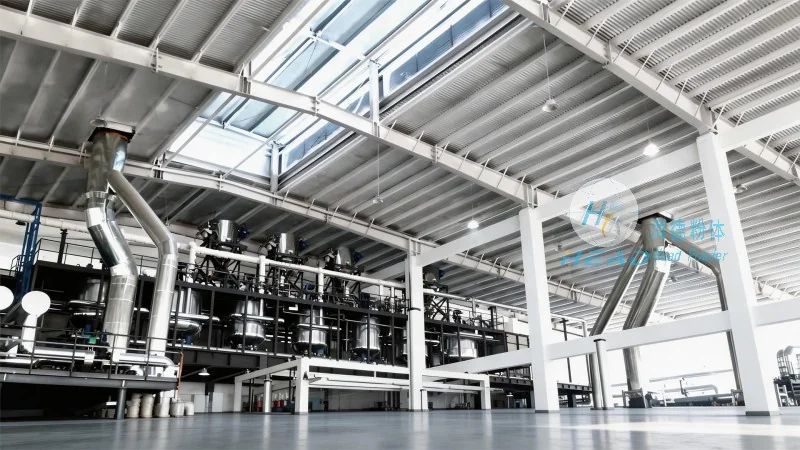
The sand and gravel powder material handling system is a specialized equipment designed to transport and process sand, gravel, and other fine to medium-sized particulate materials. These systems are crucial in industries such as construction, mining, and aggregate production, where efficient material movement is essential for productivity and cost-effectiveness. The system typically includes components like hoppers, conveyors, dust collection units, and control panels, all working in tandem to ensure smooth material flow from the source to the destination.
Key Components of the System
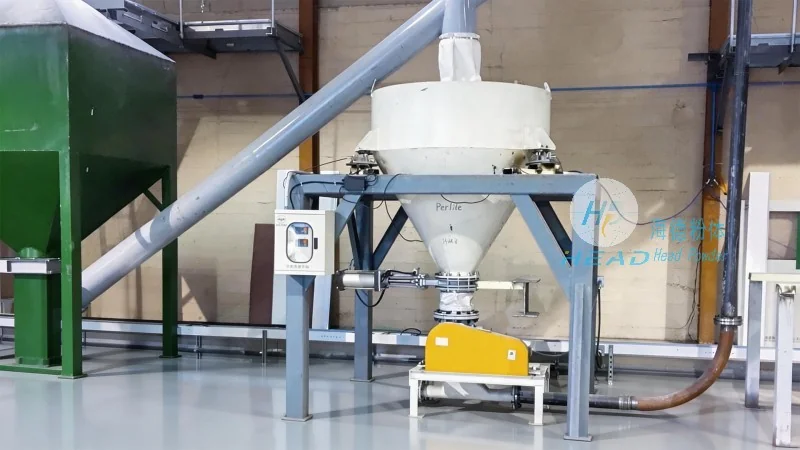
The core components of a sand and gravel powder material handling system include: 1. Hoppers: These are storage containers that hold the raw materials before they are fed into the system. They are designed to accommodate large volumes of sand and gravel and often feature sloped sides to facilitate material discharge. 2. Feeders: Feeders regulate the flow of material from the hoppers to the conveyor system. They ensure a consistent and controlled feed rate, preventing overloading or underloading of the conveyor. 3. Conveyors: The conveyor system is the heart of the material handling process. It can be of various types, including belt conveyors, screw conveyors, or pneumatic conveyors, depending on the material characteristics and application requirements. 4. Dust Collection Systems: As sand and gravel are dry materials, dust generation is a common issue. Dust collection systems, such as baghouses or cartridge filters, are integrated to capture and remove airborne particles, ensuring a clean and safe working environment. 5. Control Panels: The control panels house the electrical and electronic components that monitor and control the system's operations. They allow operators to adjust settings, monitor performance, and receive alerts for any malfunctions or deviations from normal operation.
Design Principles and Operational Mechanics
The design of a sand and gravel powder material handling system is guided by several fundamental principles to ensure efficiency, reliability, and safety. The primary design principle is to minimize material degradation and loss during transport. This is achieved through proper material handling techniques, such as using appropriate conveyor speeds and avoiding excessive impact or friction. Additionally, the system is designed to handle the specific physical properties of sand and gravel, including their particle size distribution, moisture content, and bulk density. The design also considers the need for dust control, as excessive dust can affect equipment performance and pose health risks. The system's layout is optimized to minimize the distance material needs to travel, reducing energy consumption and operational costs. Furthermore, the design incorporates safety features, such as emergency stop buttons and protective guards, to prevent accidents and ensure compliance with safety regulations.
Applications and Benefits
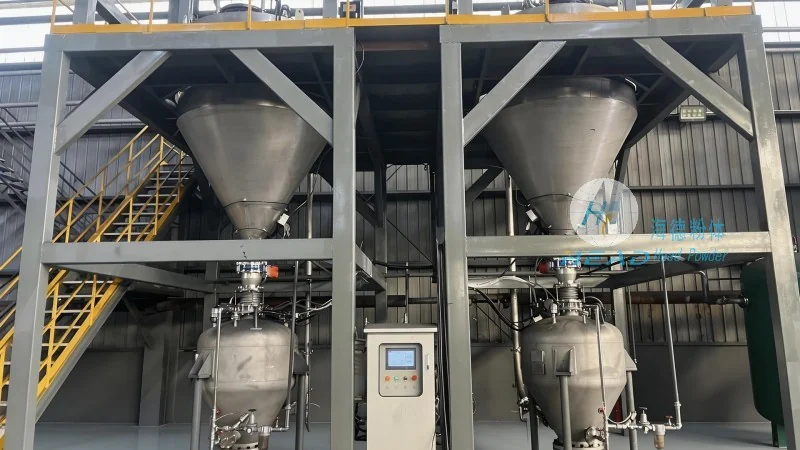
Sand and gravel powder material handling systems are widely used in various applications across different industries. In the construction industry, they are used to transport sand and gravel for concrete production, road construction, and building projects. In the mining industry, they are employed to move crushed rock and ore from the mine site to processing facilities. The benefits of these systems include increased productivity, reduced labor costs, improved material quality, and enhanced safety. By automating the material handling process, companies can achieve higher throughput and better control over their operations. The systems also help in reducing environmental impact by controlling dust emissions and minimizing material waste.
Conclusion
In conclusion, the sand and gravel powder material handling system is a critical piece of equipment in industries that rely on the efficient transport and processing of sand and gravel. The design principles and components of these systems are tailored to meet the specific needs of the application, ensuring optimal performance and reliability. HeadPowder, with its expertise in engineering and material handling solutions, provides high-quality systems that enhance operational efficiency and contribute to the success of its clients' projects.