

What is a Boron Nitride Powder Conveying System Equipment? And What Are Its Design Principles?
Understanding the Boron Nitride Powder Conveying System Equipment and Its Design Principles is crucial for industries that rely on efficient and reliable handling of this specialized material. This article delves into the core components, operational mechanisms, and engineering considerations that define such systems, providing a comprehensive overview for professionals seeking to enhance their material handling processes.
Introduction to Boron Nitride Powder Conveying Systems
Boron nitride (BN) is a versatile ceramic material known for its thermal stability, chemical inertness, and lubricating properties. In industrial applications, BN powders are often used in high-performance coatings, thermal management solutions, and advanced manufacturing processes. However, due to their fine particle size and cohesive nature, transporting BN powder efficiently requires specialized equipment designed to minimize particle degradation and ensure consistent flow. The Boron Nitride Powder Conveying System Equipment, developed by Shandong HeadPowder Engineering Co., Ltd., addresses these challenges through innovative design and robust engineering.
Key Components of the Conveying System
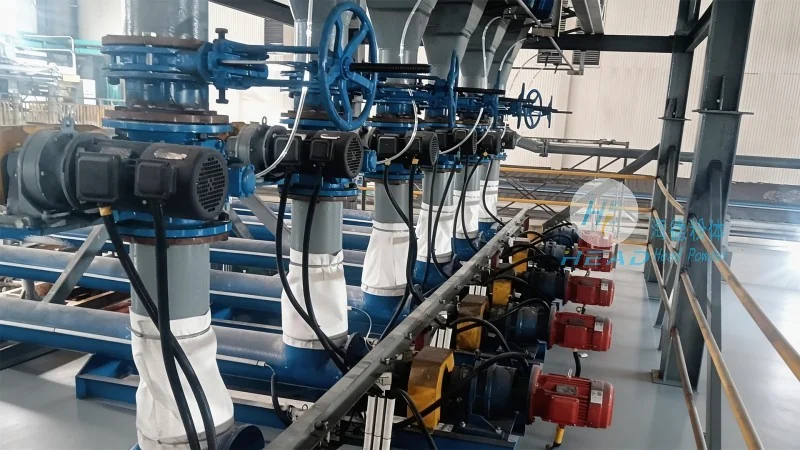
The Boron Nitride Powder Conveying System Equipment comprises several critical components that work in tandem to ensure optimal performance. These include: feeding mechanisms, which control the initial flow of powder from storage bins or hoppers; conveying lines, typically made of materials resistant to BN powder corrosion and abrasion, such as stainless steel or specialized polymers; and control systems, which monitor and adjust parameters like pressure, flow rate, and temperature to maintain stability. The system may also incorporate separation or filtration units to prevent particle agglomeration and ensure a uniform product stream.
Design Principles for Efficient Material Handling
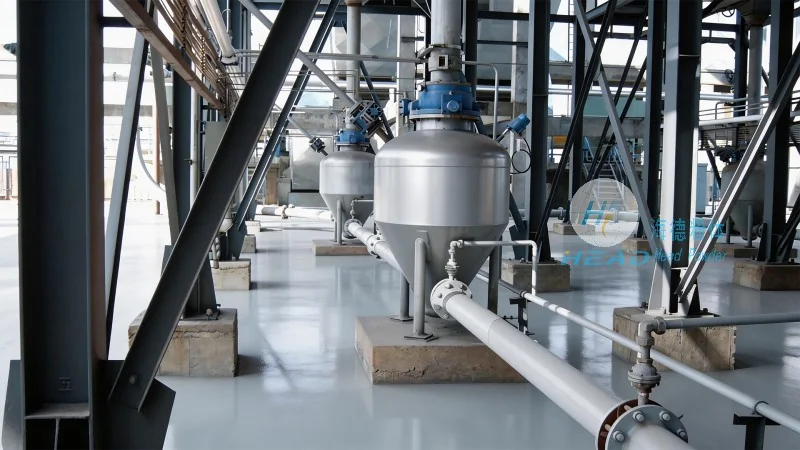
The design of the Boron Nitride Powder Conveying System Equipment is guided by several key principles aimed at maximizing efficiency and minimizing operational issues. First, material compatibility is paramount. All components, from the hopper to the conveying pipes, are selected to resist chemical reactions with BN powder and prevent contamination. This includes using materials like PTFE-lined components or specialized alloys that can withstand the abrasive nature of fine BN particles. Second, energy efficiency is a critical consideration. The system is engineered to minimize energy consumption while maintaining consistent flow rates, often through the use of variable frequency drives (VFDs) that adjust motor speed based on demand. Third, compactness and space optimization are important, especially in industrial settings where floor space is limited. The equipment is designed to be modular, allowing for easy integration into existing production lines without requiring extensive modifications.
Operational Mechanisms and Flow Control
The operational mechanisms of the Boron Nitride Powder Conveying System Equipment are centered on maintaining a stable and controlled flow of powder. The feeding mechanism, often a rotary valve or a screw feeder, ensures that powder is released in a controlled manner, preventing overloading of the conveying line. The conveying line itself may use pneumatic or mechanical methods to transport the powder. Pneumatic systems utilize compressed air to create a flow of powder through the line, while mechanical systems employ screw conveyors or belt conveyors. The system incorporates sensors and feedback loops to monitor the flow rate and adjust the feeding speed accordingly, ensuring that the powder reaches the destination without clogging or degradation. Temperature control is also a key aspect, as BN powder can be sensitive to high temperatures, and the system includes cooling or insulation features to maintain optimal conditions.
Applications and Industry Benefits
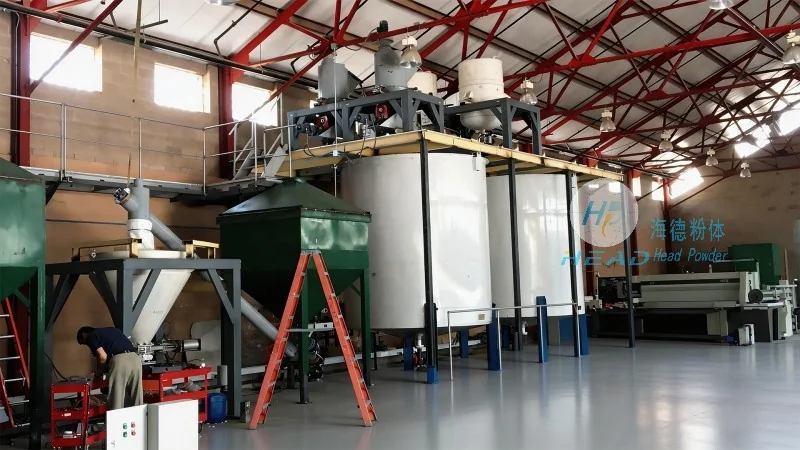
The Boron Nitride Powder Conveying System Equipment is widely used in various industries, including electronics, aerospace, and advanced ceramics. In the electronics industry, BN powder is used in thermal interface materials and coatings, and the conveying system ensures that the powder is delivered to production lines in a consistent and high-quality form. In aerospace applications, BN is used for thermal protection systems, and the system’s ability to handle fine powders without degradation is critical for maintaining the integrity of the final product. The system also benefits industries by reducing downtime caused by clogging or material degradation, improving overall production efficiency and product quality. By ensuring a reliable supply of BN powder, the system helps manufacturers meet stringent quality standards and enhance their competitive edge in the market.
Conclusion and Company Overview
In summary, the Boron Nitride Powder Conveying System Equipment is a sophisticated solution designed to address the unique challenges of handling BN powder. Its design principles, which prioritize material compatibility, energy efficiency, and operational stability, make it an essential tool for industries relying on this specialized material. Developed by Shandong HeadPowder Engineering Co., Ltd., a leading manufacturer based in China, this equipment represents the latest in powder handling technology, offering industries a reliable and efficient means of managing BN powder throughout the production process. For companies seeking to optimize their material handling processes and enhance product quality, the Boron Nitride Powder Conveying System Equipment is a valuable investment.