

Comparison of Common Copper Ore Sand Conveying Methods: Advantages and Disadvantages
When it comes to the efficient and reliable transportation of copper ore sand in mining operations, selecting the right conveying method is crucial. The choice of equipment directly impacts productivity, operational costs, and overall safety. This article provides a detailed comparison of common copper ore sand conveying methods, highlighting their advantages and disadvantages to help mining professionals make informed decisions.
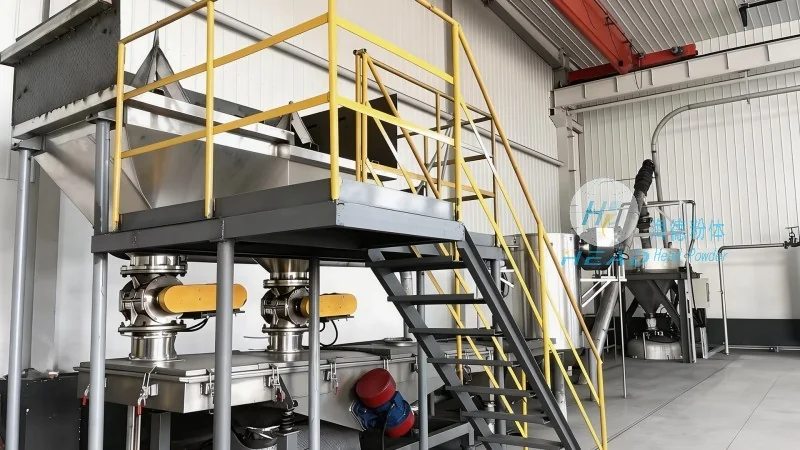
Introduction to Copper Ore Sand Conveying Methods
In the mining industry, copper ore sand, a crucial raw material for copper extraction, requires effective transportation from extraction sites to processing facilities. Various conveying systems are employed to handle this material, each with distinct characteristics suited to different operational conditions. Understanding the strengths and limitations of each method is essential for optimizing mining operations.
1. Belt Conveyor Systems: The Workhorse of Material Handling
Belt conveyors are among the most widely used methods for copper ore sand transportation due to their versatility and efficiency. These systems consist of a continuous loop of belt that transports material through a series of rollers and pulleys. The primary advantage of belt conveyors is their ability to cover long distances with minimal maintenance, making them ideal for large-scale mining operations. They can handle a wide range of material sizes and types, including copper ore sand, without causing significant wear or degradation. Additionally, belt conveyors offer high throughput rates, which enhances overall production capacity. However, they have some drawbacks. For instance, they require regular inspection and maintenance to prevent belt slippage or breakage, which can lead to downtime. Moreover, the initial investment cost for a belt conveyor system is relatively high compared to other methods. Another limitation is their susceptibility to environmental factors, such as dust and moisture, which can affect performance and longevity.
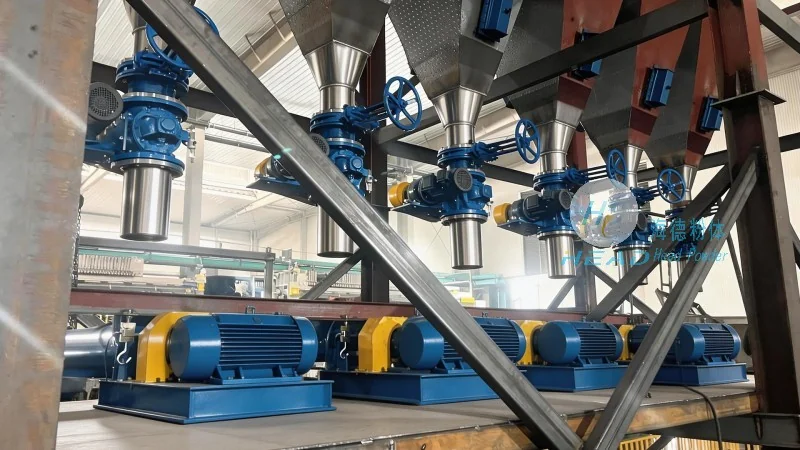
2. Bucket Elevators: Vertical Material Transport Solutions
Bucket elevators are specifically designed for vertical transportation of copper ore sand, making them suitable for applications where material needs to be lifted to elevated levels. These systems use a series of buckets attached to a chain or belt that moves vertically. The main advantage of bucket elevators is their high vertical lifting capacity, allowing for efficient transport of material over significant heights. They are particularly effective in confined spaces where horizontal space is limited. Another benefit is their ability to handle abrasive materials like copper ore sand without excessive wear, as the buckets are typically made of durable materials such as steel or rubber. However, bucket elevators have certain limitations. They are generally less efficient for horizontal transport compared to belt conveyors, as the vertical movement requires more energy. Additionally, the maintenance of bucket elevators can be more complex due to the moving chains and buckets, which may require regular lubrication and inspection. Furthermore, their capacity is often lower than that of belt conveyors for the same horizontal distance, making them less suitable for large-scale horizontal transport.
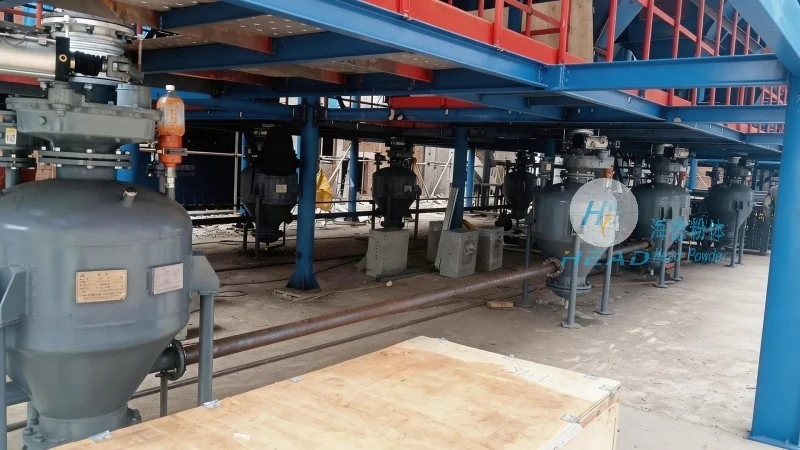
3. Pneumatic Conveying Systems: Dust-Free and Flexible Transport
Pneumatic conveying systems use air pressure to transport copper ore sand through a network of pipes. This method is particularly useful in applications where dust control is a priority, as it eliminates the need for open-air transport. The primary advantage of pneumatic conveying is its ability to handle fine or powdery materials without segregation or loss. It also offers flexibility in terms of layout, as the system can be easily reconfigured to accommodate changes in operational needs. Additionally, pneumatic conveyors can transport material over both horizontal and vertical distances, making them versatile for various mining setups. However, pneumatic conveying has several disadvantages. The most significant drawback is the high energy consumption, as it requires powerful air compressors to maintain the necessary pressure. This increases operational costs and can be less efficient compared to mechanical systems. Another limitation is the potential for material degradation due to friction and abrasion within the pipes, especially for abrasive copper ore sand. Furthermore, the system is susceptible to blockages if the material is too dense or contains foreign objects, which can cause operational disruptions.
4. Screw Conveyors: Compact and Reliable Horizontal Transport
Screw conveyors, also known as auger conveyors, are used for horizontal or slightly inclined transport of copper ore sand. These systems consist of a rotating screw inside a tube that moves material along the length of the conveyor. The main advantage of screw conveyors is their compact design, which makes them suitable for applications with limited space. They are relatively simple in construction and require fewer moving parts compared to other systems, leading to lower maintenance costs. Screw conveyors are also effective in handling dry or semi-dry materials like copper ore sand, as the screw can push material forward without the need for additional power. However, they have some limitations. The capacity of screw conveyors is generally lower than that of belt conveyors for the same horizontal distance, as the material is constrained within the tube. This can limit their use in large-scale operations. Another drawback is their susceptibility to material buildup, especially with sticky or cohesive copper ore sand, which can cause blockages and require frequent cleaning. Additionally, screw conveyors are not suitable for transporting very abrasive materials, as the screw and tube can wear out quickly.
5. Comparison Summary: Choosing the Right Conveying Method
Each copper ore sand conveying method has its own set of advantages and disadvantages, and the optimal choice depends on specific operational requirements. Belt conveyors are ideal for long-distance horizontal transport with high throughput, while bucket elevators are best for vertical lifting in confined spaces. Pneumatic conveying offers dust-free and flexible transport but at a higher energy cost, and screw conveyors provide compact and reliable horizontal transport with lower maintenance needs. Mining operations should consider factors such as material characteristics, distance, space availability, and budget when selecting a conveying system. By understanding the strengths and limitations of each method, mining professionals can select the most suitable copper ore sand conveying solution to enhance efficiency and productivity.
Shandong HeadPowder Engineering Co., Ltd., a leading provider of mining equipment solutions, specializes in designing and manufacturing customized conveying systems tailored to the unique needs of copper mining operations. With years of experience in the industry, HeadPowder offers a range of high-quality conveyor systems, including belt conveyors, bucket elevators, and screw conveyors, to ensure efficient and reliable copper ore sand transportation. The company's commitment to quality and customer satisfaction has made it a trusted partner for mining companies worldwide. Located in Shandong, China, HeadPowder leverages advanced technology and engineering expertise to deliver innovative solutions that meet the evolving demands of the mining industry.