

What is Pharmaceutical Material Handling? Understanding Its Design Principles
Pharmaceutical material handling is a critical process in the pharmaceutical industry, encompassing the movement, storage, and management of raw materials, intermediates, and finished products throughout the manufacturing and distribution lifecycle. It involves a series of operations that ensure the safe, efficient, and compliant transfer of materials from receipt to final packaging. This process is not merely about logistics; it is integral to maintaining product quality, regulatory compliance, and operational efficiency in pharmaceutical production.
Key Components of Pharmaceutical Material Handling
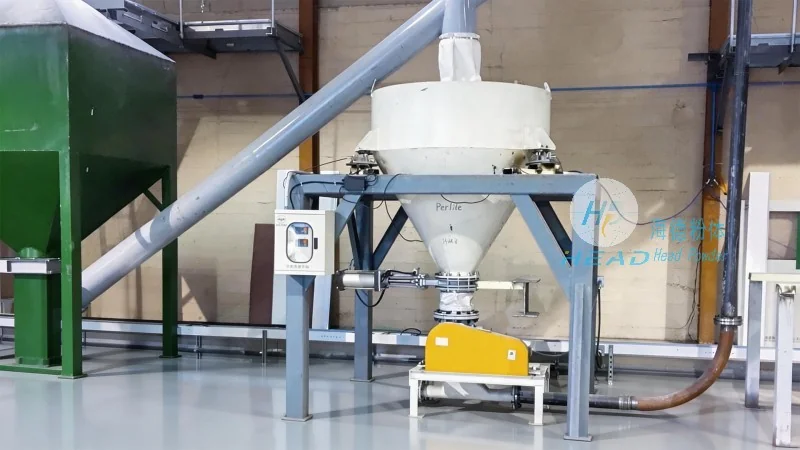
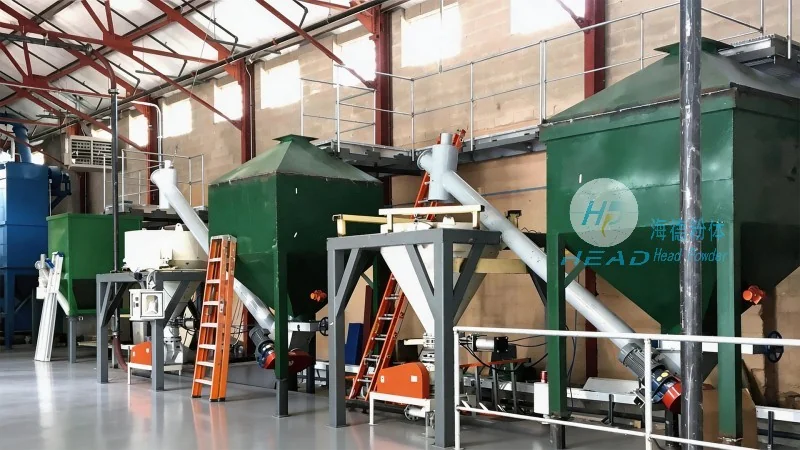
At the core of pharmaceutical material handling are several key components that work in tandem to facilitate smooth operations. These include receiving and inspection, storage and inventory management, material transfer and handling, and final packaging and distribution. Each component requires specialized equipment and processes to meet stringent industry standards. For instance, receiving involves verifying the identity, quantity, and quality of incoming materials against purchase orders and certificates of analysis. Storage systems must be designed to protect materials from contamination, temperature fluctuations, and degradation, often utilizing controlled environments like cold rooms or dry storage areas. Material transfer may involve automated conveyor systems, robotic arms, or manual handling, depending on the scale and nature of the operation. Finally, the packaging and distribution phase ensures that products are prepared for market in a manner that preserves their integrity and meets regulatory requirements.
Design Principles for Pharmaceutical Material Handling Systems
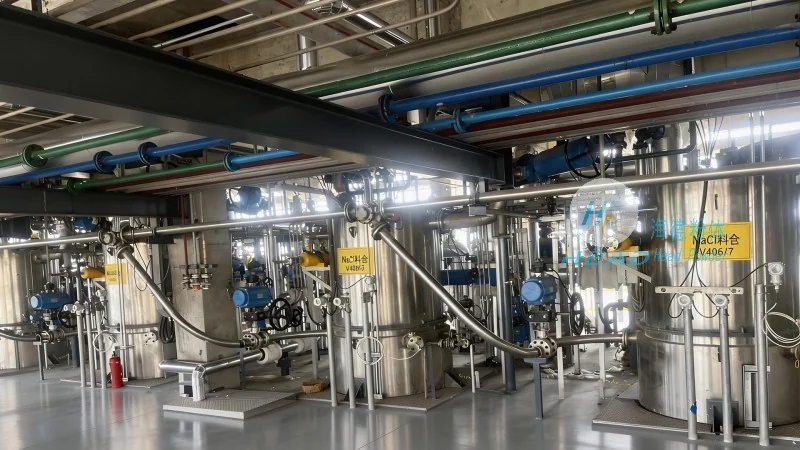
The design of pharmaceutical material handling systems is guided by several fundamental principles that prioritize safety, efficiency, and compliance. First, the principle of GMP (Good Manufacturing Practice) compliance is paramount. All systems must be designed to prevent cross-contamination, ensure traceability, and maintain documentation for all material movements. This includes implementing closed systems for hazardous materials and using cleanroom technology where necessary. Second, the principle of ergonomic design is crucial for operational efficiency. Systems should be user-friendly, minimizing the physical strain on workers and reducing the risk of errors. This may involve adjustable workstations, automated lifting devices, and intuitive control interfaces. Third, the principle of scalability and flexibility is essential for adapting to changing production needs. Modern systems often incorporate modular components that can be reconfigured to accommodate new products or increased production volumes without major overhauls. Finally, the principle of data integration is increasingly important, as material handling systems are now connected to enterprise resource planning (ERP) and other management software to provide real-time visibility into inventory levels, material flow, and operational performance.
Role of HeadPowder in Pharmaceutical Material Handling Solutions
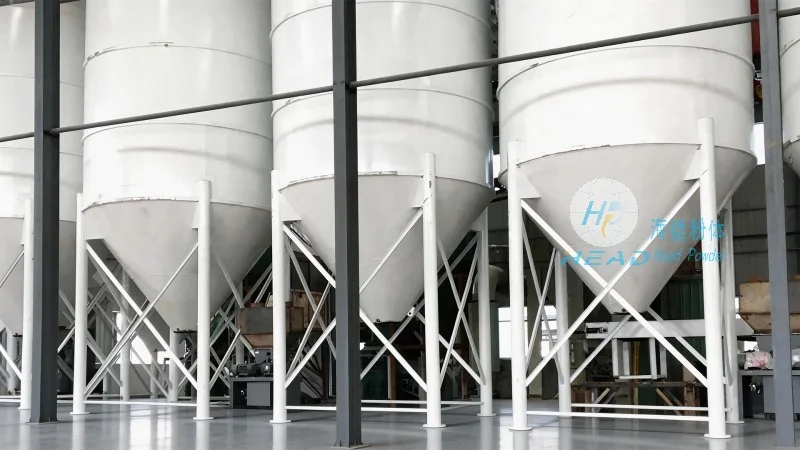
Shandong HeadPowder Engineering Co., Ltd., commonly known as HeadPowder, is a leading provider of specialized engineering solutions for pharmaceutical material handling. With a focus on innovation and adherence to industry standards, HeadPowder designs and manufactures systems tailored to the unique needs of the pharmaceutical sector. The company’s expertise lies in integrating advanced technologies with robust, GMP-compliant designs to deliver solutions that enhance operational efficiency while ensuring product safety and regulatory compliance. HeadPowder’s services range from conceptual design and system integration to installation, commissioning, and ongoing support. By leveraging their deep understanding of pharmaceutical processes and material handling requirements, HeadPowder helps clients optimize their material flow, reduce downtime, and improve overall productivity. The company’s commitment to quality and customer satisfaction has established it as a trusted partner in the pharmaceutical industry, with operations based in Shandong, China.