

What is Caustic Soda Material Handling? And Its Design Principles?
Caustic soda, also known as sodium hydroxide (NaOH), is a highly caustic and corrosive chemical widely used in various industrial processes, including manufacturing, cleaning, and chemical synthesis. Efficient and safe material handling of caustic soda is crucial for industrial operations to ensure productivity, minimize risks, and comply with safety regulations. This article explores the concept of caustic soda material handling and delves into the design principles that underpin effective systems.
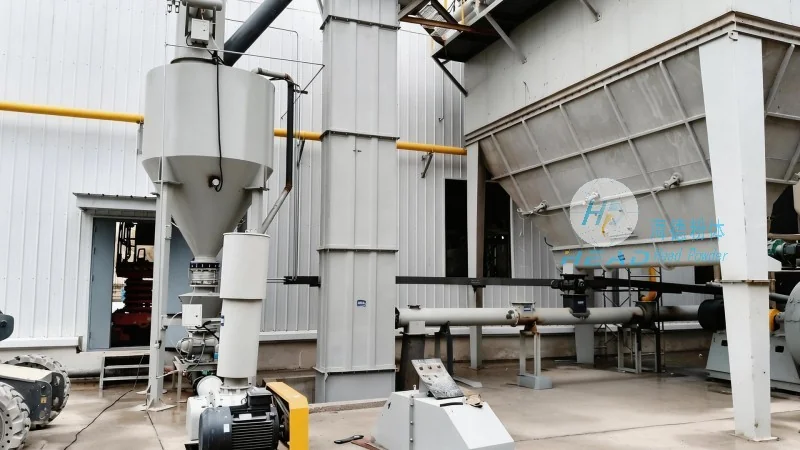
HeadPowder, a leading engineering company based in Shandong, China, specializes in the design, manufacturing, and implementation of specialized material handling solutions for hazardous chemicals like caustic soda. With a strong commitment to safety, efficiency, and innovation, HeadPowder has established itself as a trusted partner in the chemical processing industry. The company's expertise lies in creating tailored systems that address the unique challenges associated with handling caustic soda, ensuring optimal performance and compliance with industry standards.
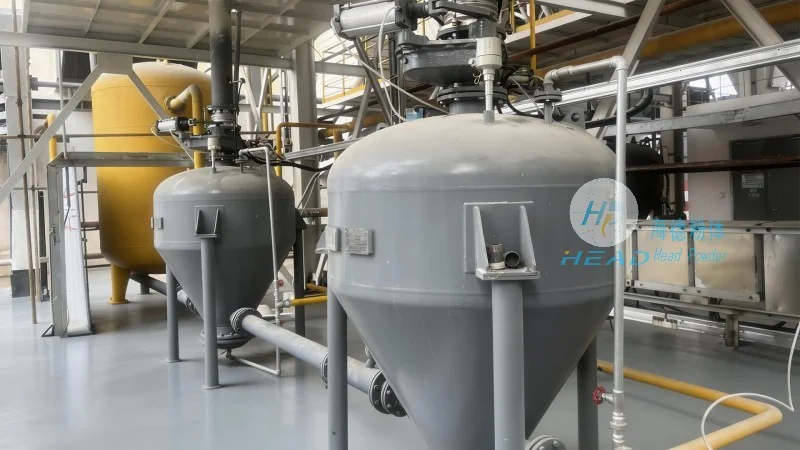
Understanding Caustic Soda Material Handling
Caustic soda material handling refers to the processes and equipment used to transport, store, and manage caustic soda within industrial facilities. This involves handling bulk quantities of the chemical, often in liquid or solid form, and ensuring that it is transferred safely from storage tanks to processing units or other destinations. The primary goals of caustic soda material handling are to maintain the chemical's integrity, prevent contamination, and minimize exposure risks to personnel and equipment.
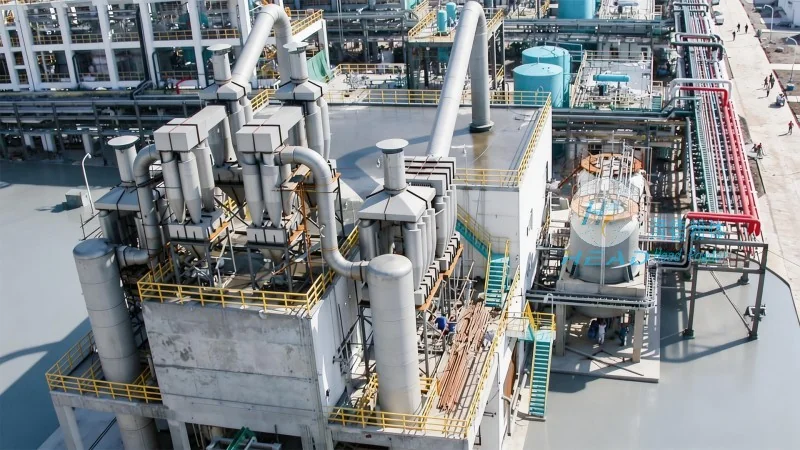
Key Design Principles for Caustic Soda Material Handling Systems
The design of caustic soda material handling systems is governed by several critical principles aimed at ensuring safety, efficiency, and durability. These principles include:
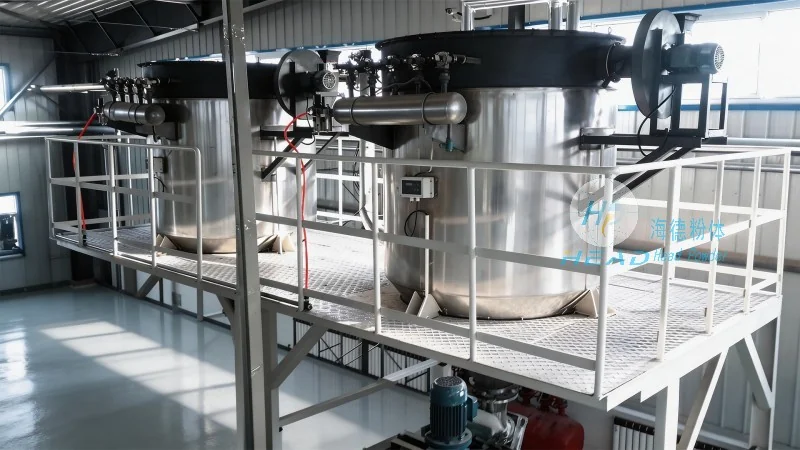
- Material Compatibility: All components of the system, such as pipes, valves, pumps, and storage tanks, must be constructed from materials that are resistant to caustic soda's corrosive properties. Common materials include stainless steel (e.g., 316L), Hastelloy, and specialized plastics like PTFE or PFA. The choice of material is essential to prevent degradation, leaks, or contamination, which could lead to safety hazards or process interruptions.
- Pressure and Temperature Control: Caustic soda systems often operate under varying pressure and temperature conditions. Design principles emphasize the use of pressure relief valves, temperature sensors, and appropriate insulation to maintain safe operating parameters. This helps prevent thermal expansion, pressure buildup, or thermal shock, which could compromise system integrity.
- Seal and Leak Prevention: Given caustic soda's corrosive nature, preventing leaks is paramount. Design systems incorporate double-seal mechanisms, gland packings, and high-quality gaskets to minimize the risk of leakage. Regular maintenance and inspection protocols are also integral to ensuring the integrity of seals and preventing potential environmental or health hazards.
- Safety and Emergency Measures: Safety is a top priority in caustic soda material handling. Design principles include the integration of emergency shutdown systems, spill containment facilities, and personal protective equipment (PPE) stations. These measures are designed to mitigate risks in case of accidents, ensuring rapid response and minimizing the impact on personnel and the environment.
- Automation and Control: Modern caustic soda material handling systems often incorporate advanced automation and control technologies. This includes programmable logic controllers (PLCs), sensors, and monitoring systems that enable real-time tracking of flow rates, levels, and temperatures. Automation enhances operational efficiency, reduces human error, and provides better control over the handling process.
Components of a Typical Caustic Soda Material Handling System
A typical caustic soda material handling system consists of several key components that work in concert to ensure safe and efficient operation. These components include: